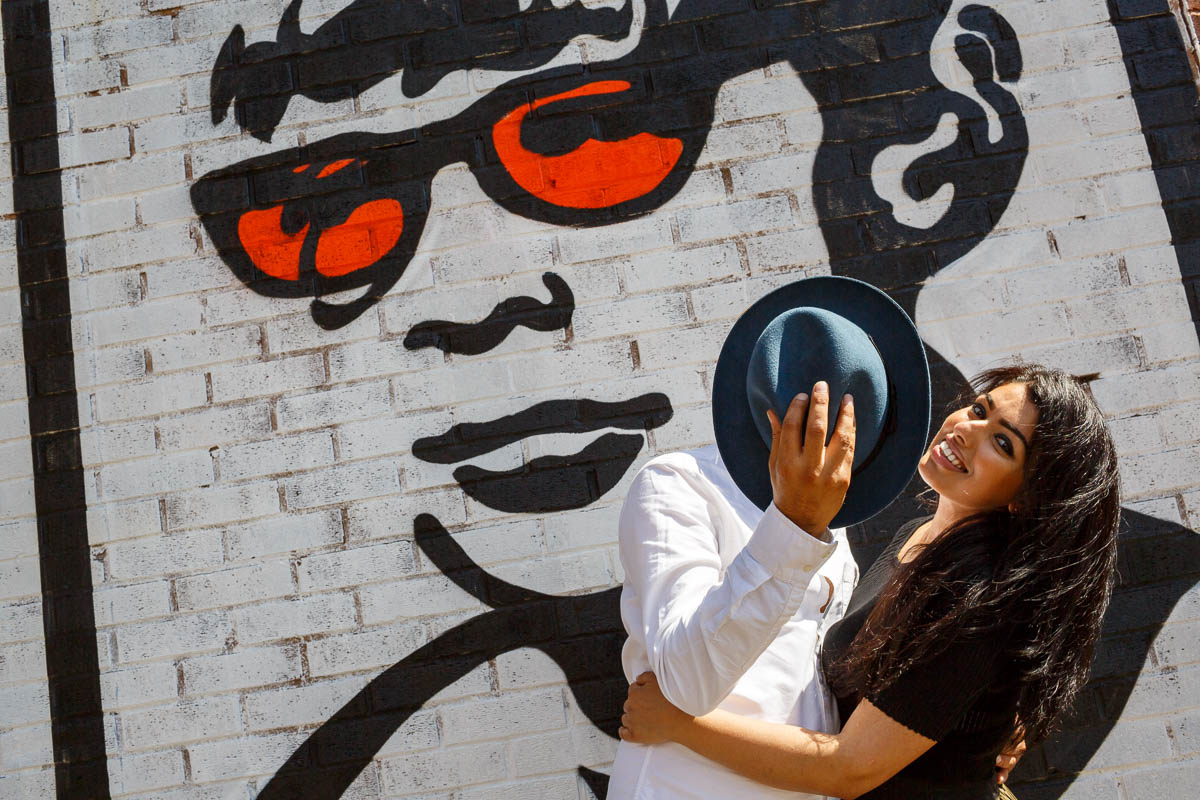
Have you ever noticed how people change when someone points a camera at them? A moment ago, they were having a conversation. Then someone calls out, “Say cheese!” and suddenly they’re grinning, pulling faces, sticking out their tongues or striking exaggerated poses.
Why do we sometimes feel compelled to do something silly when having our photograph taken? Why does a simple request to smile so often become an opportunity to play up for the camera?
The answer lies partly in the psychology of social interaction, self-presentation and humour. We rarely take photographs to record what we look like. It is also a social situation where we become aware of how others see us and respond to the people around us.
TL;DR: Why We Play Up for the Camera
Social connection: Playful poses help create shared experiences and strengthen bonds with others.
Self-expression: Funny faces and exaggerated poses let us show our sense of humour and personality.
Managing awkwardness: Humour can help people feel less self-conscious in front of the camera.
Contagious laughter: One person’s silly expression can encourage others to join in.
Cultural habits: We learn how to pose for photographs by observing others and following familiar social conventions.
Social media: Sharing photos online can influence how we present ourselves, although playful posing existed long before smartphones.
Why Do We Say ‘Cheese’ When Having Our Photo Taken?
“Say cheese” is a familiar instruction to encourage people to smile for a photograph. Saying ‘cheese’ helps people smile for the camera. But the phrase also establishes a shared social ritual. We know the routine: face the camera, get ready to smile and wait for the photo.
Sometimes, however, people do not follow the script. Someone makes a funny face, another person laughs, and the anticipated group photograph becomes something less formal.
The instruction to smile can therefore become an invitation to do something unexpected. What begins as a routine photograph turns into a small opportunity for self-expression and social interaction.
The Psychology of Saying ‘Cheese’: Why We Play Up to the Camera
Several psychological factors explain why people play up for the camera, depending on who they are and the situation.
1. Saying ‘Cheese’ Encourages Social Connection
Photographs are often social activities. We take them with friends, family, colleagues and even people we have only just met. In these situations, the reactions and expectations of those around us influence our behaviour.
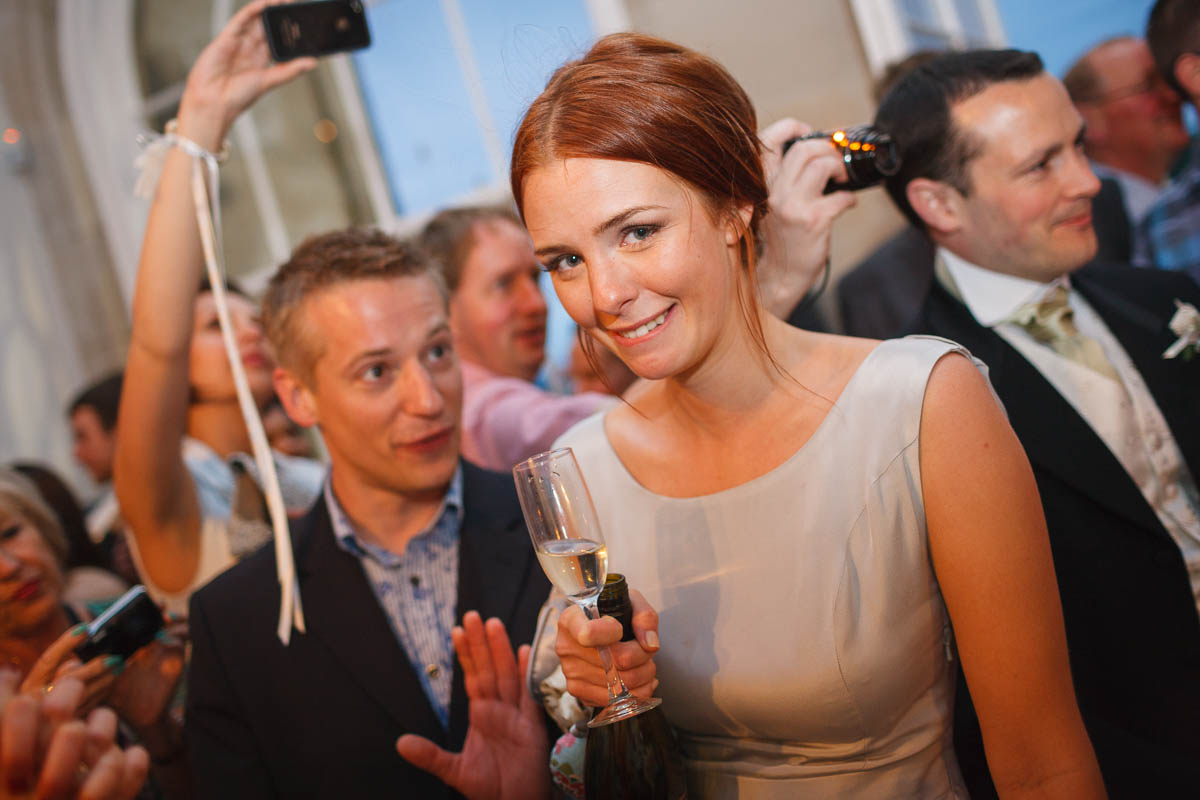
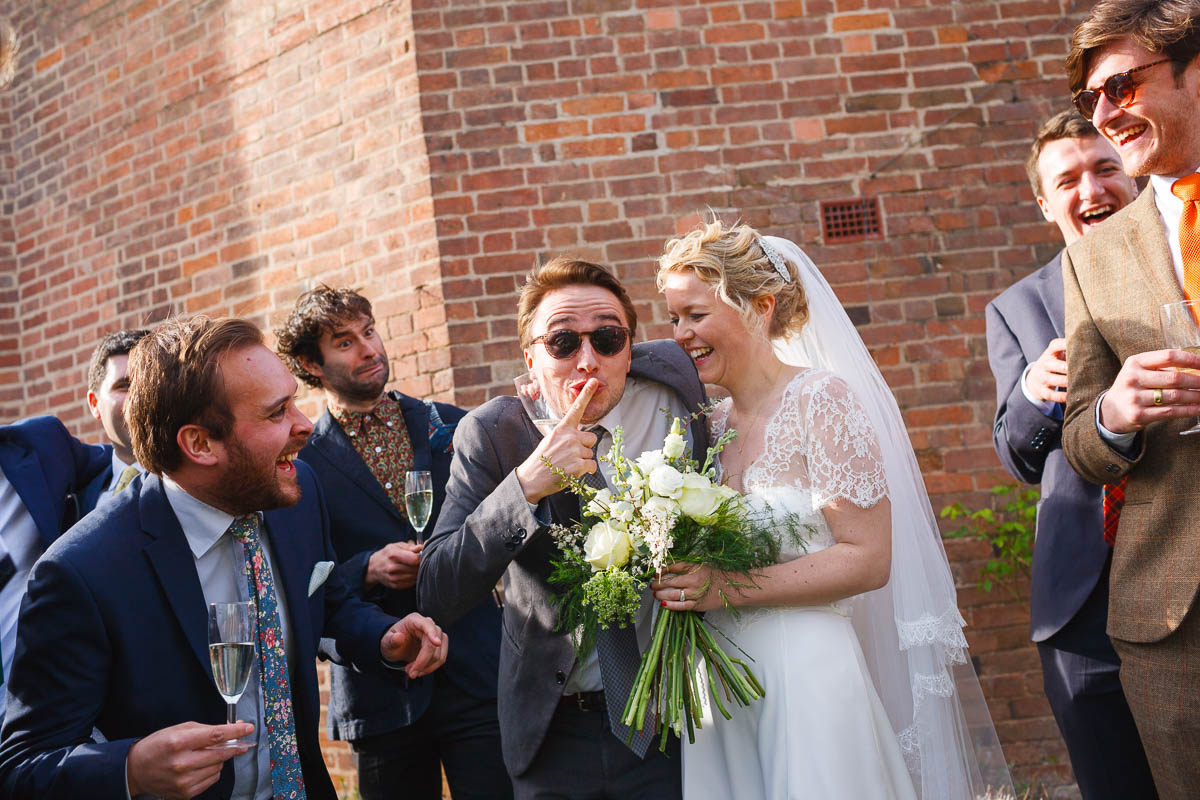
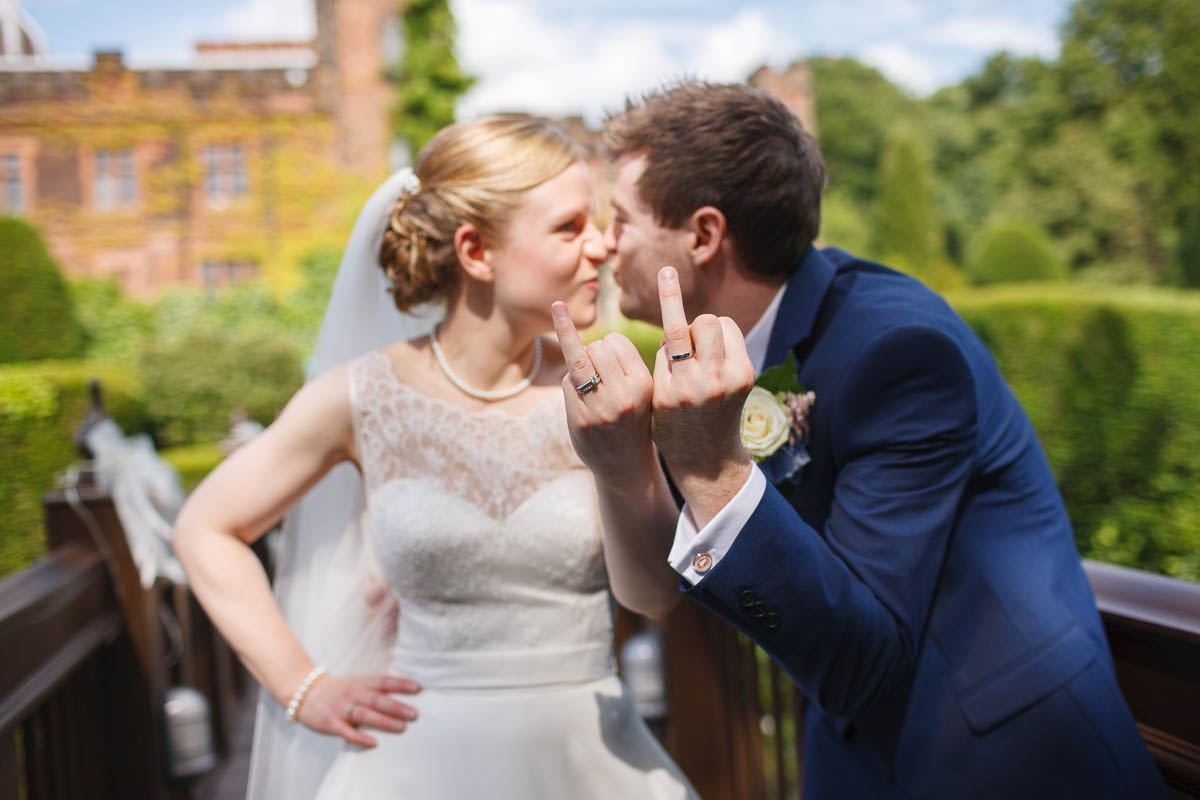
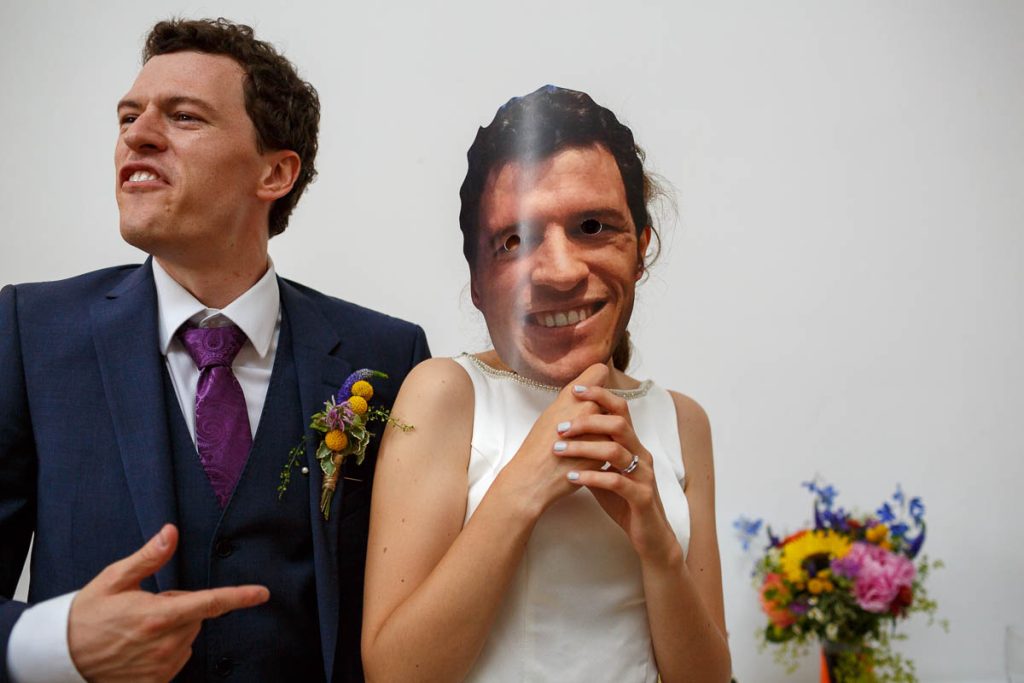
Consider a group of friends posing for a wedding photo. Everyone initially smiles politely. Then one person pulls a ridiculous face. Another copies them, someone else starts laughing, and the carefully arranged photograph becomes a competition to see who can pull the funniest expression.
This illustrates a familiar principle in social psychology: people around us influence our behaviour. We observe their reactions and adjust our own responses accordingly.
A silly pose can also communicate friendliness and a willingness to participate. Rather than simply standing together for a photograph, people create a shared experience. Research suggests that laughing together can strengthen social bonds and increase feelings of connection.
Playing up to the camera can therefore strengthen social bonds, particularly when everyone understands and enjoys the joke.
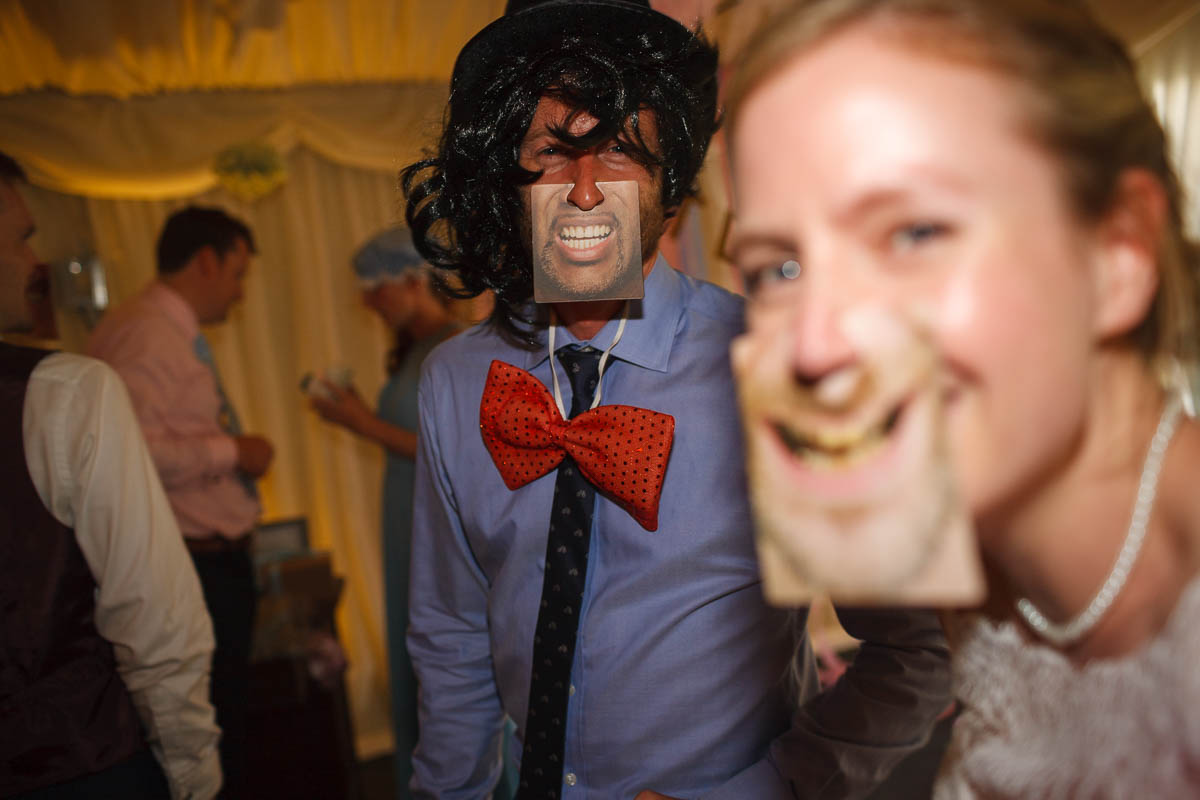
2. Saying ‘Cheese’ Allows Us to Express Ourselves
Photographs are a form of self-presentation. We use them to communicate something about ourselves, whether consciously or otherwise.
A formal portrait might convey confidence and professionalism. A photograph with friends might communicate warmth and humour. A deliberately silly pose can suggest that we are spontaneous, unconventional or comfortable enough to laugh at ourselves.
Consider the difference between someone who gives a conventional smile in every photograph and someone who pulls a unique expression each time. Both respond to the camera, but they present themselves differently.
This does not mean that every playful expression reveals a person’s underlying personality. Someone might pull a face simply because the situation invites it, or to entertain the people standing nearby.
Nevertheless, posing allows us to experiment with how we appear to others. The camera becomes more than a recording device; it becomes a prompt for self-expression.
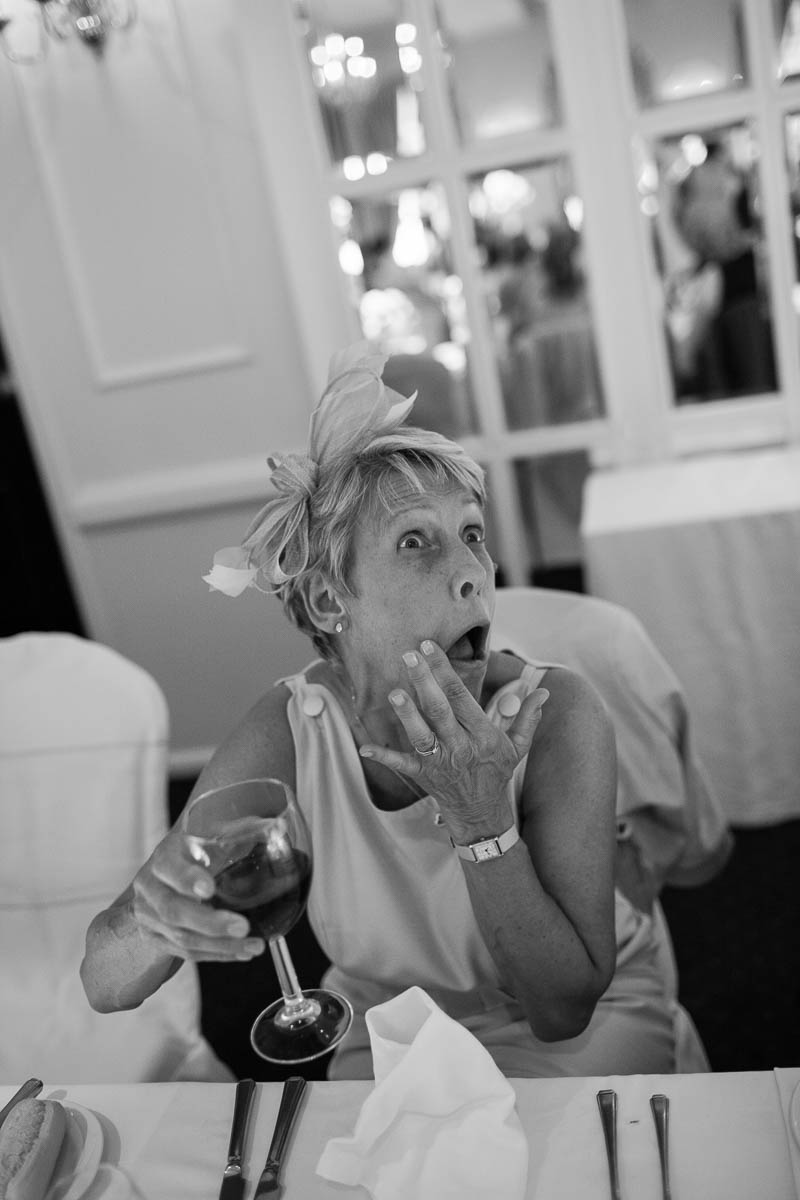
3. Saying ‘Cheese’ Can Help Us Manage Awkwardness
Being photographed can make us self-conscious. We become aware of our facial expressions, posture and appearance, sometimes worrying about whether we look natural.
This helps explain why people sometimes look stiff or uncomfortable in front of a camera. Trying to produce the perfect smile can make us more conscious of what we are doing.
Humour offers an alternative response. Rather than concealing our awkwardness, we can exaggerate it. Making a silly face emphasises fun rather than looking good.
Psychologists study how people regulate their emotions by changing how they interpret a situation. Humour can sometimes help make an uncomfortable experience feel less threatening.
Imagine posing for a photograph with people you barely know. If everyone stands rigidly, the situation might feel awkward. When someone makes a joke, the atmosphere can change, permitting others to relax.
This response is not universal. Some people dislike having their photo taken, and asking them to act silly can make them feel even more uncomfortable. But in a welcoming environment, humour can make the experience more enjoyable.
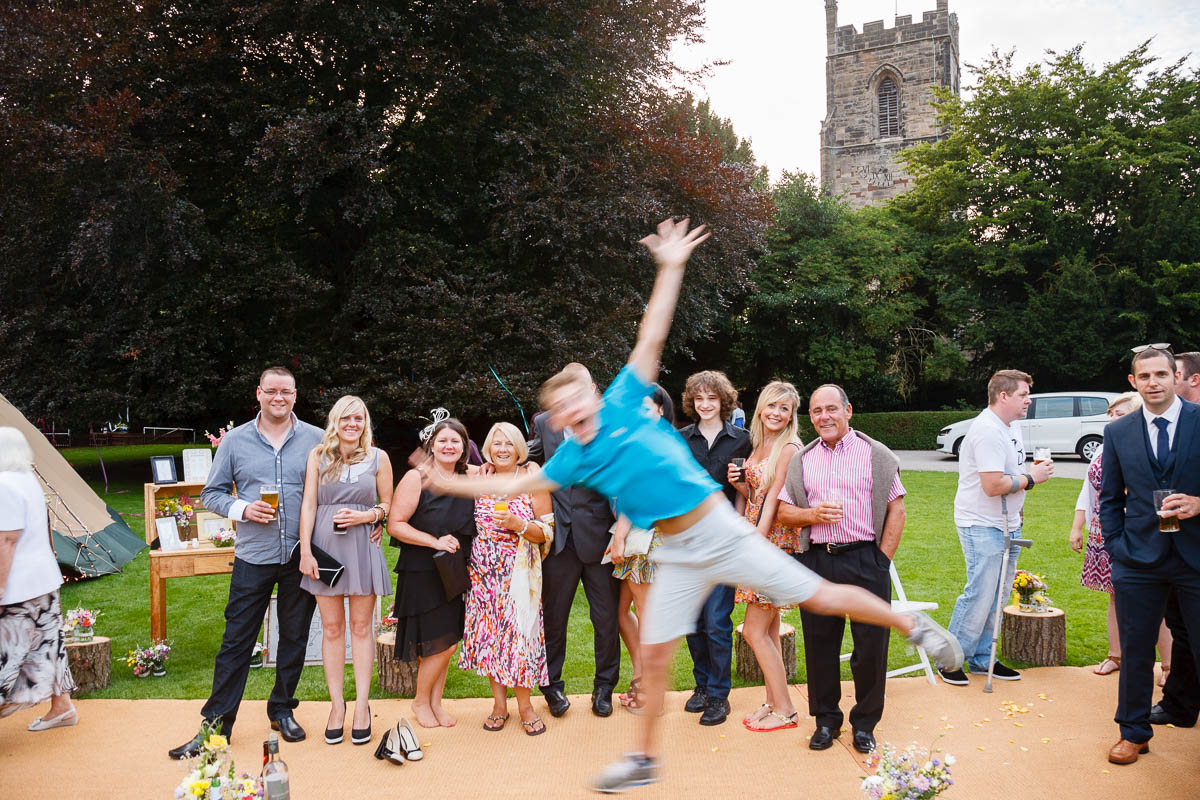
4. Saying ‘Cheese’ Makes Laughter Contagious
Have you ever started laughing simply because everyone else was laughing?
Laughter and other emotional expressions can spread through social groups. We pay attention to others’ reactions, and their amusement can influence our own responses.
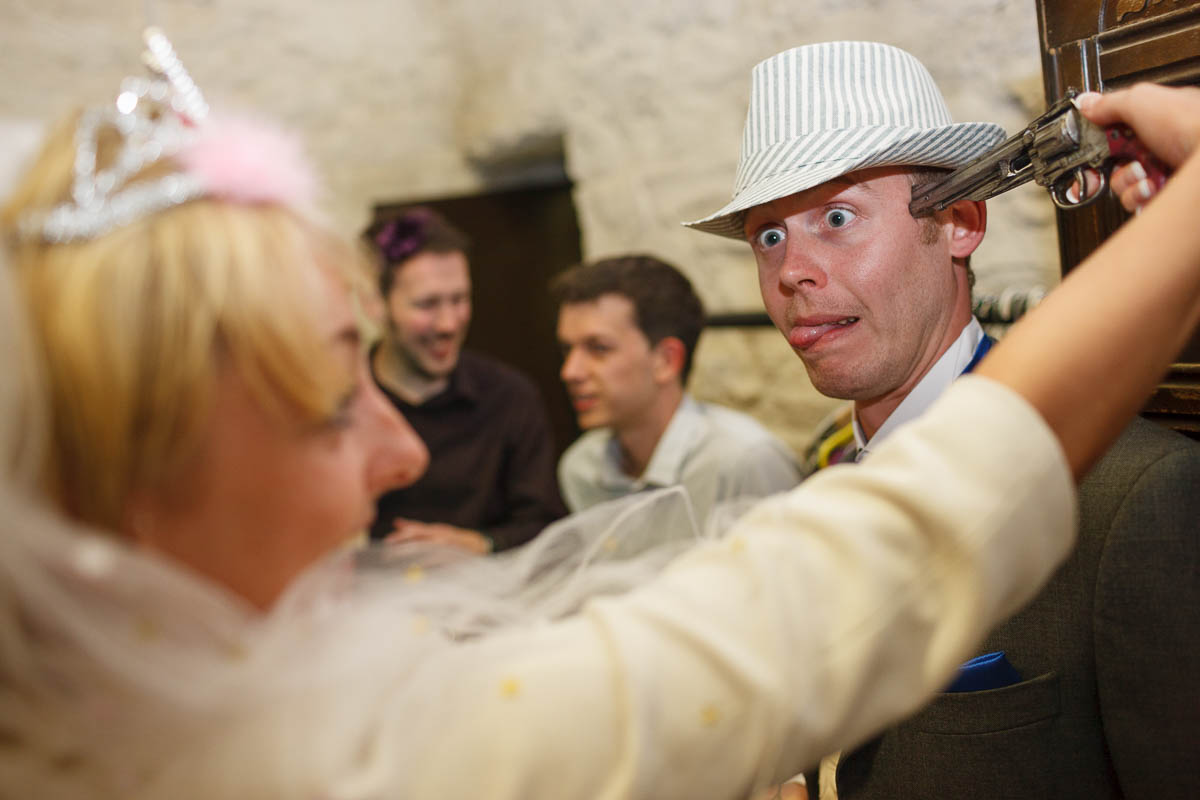
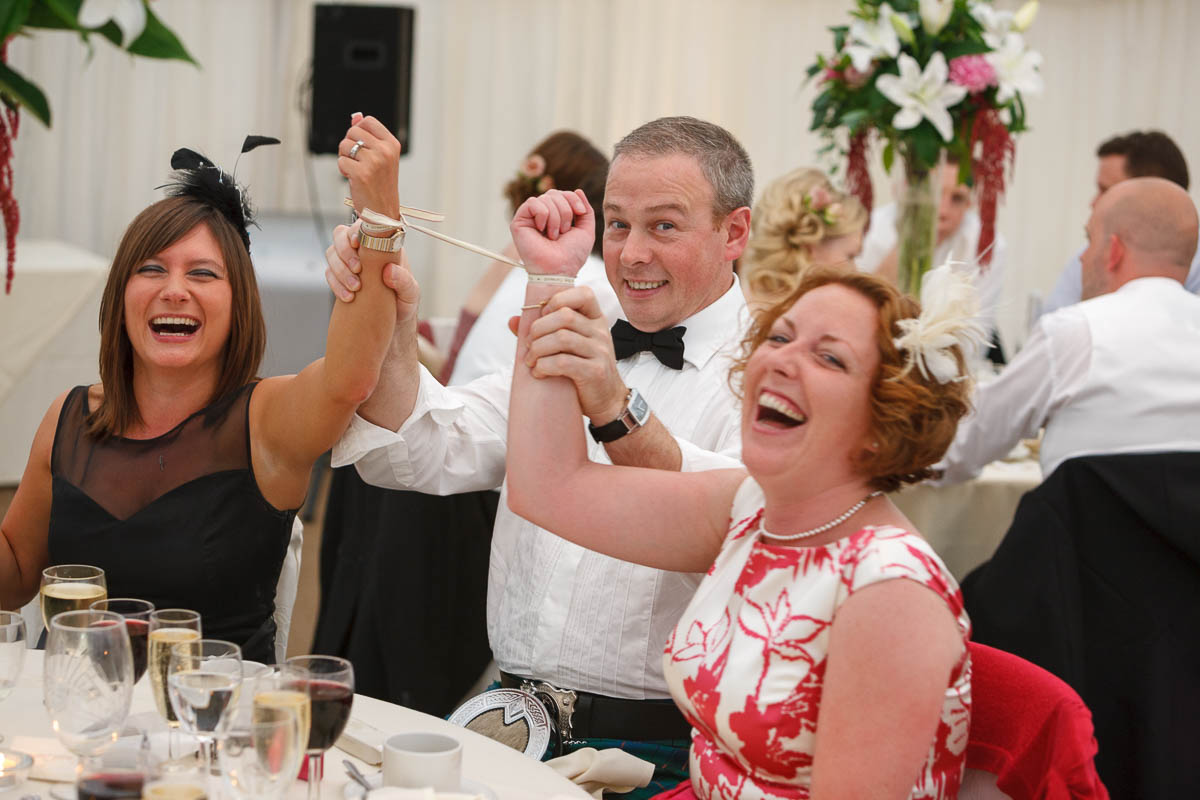
The same process can occur during a group photograph. One person pulls a funny face, another laughs, and a third tries to produce an even more ridiculous expression. Laughter is often contagious, particularly among people who know one another.
Our willingness to join in also depends on the people around us. We are generally more comfortable behaving uninhibitedly with close friends than with strangers or people whose judgement concerns us.
This helps explain why a group of friends might produce a succession of silly photographs while remaining relatively restrained in a workplace portrait.
The camera has not changed. The social context has.
Research on laughter and social interaction helps explain these responses, although not every playful photograph results from emotional contagion. Shared expectations, familiarity and the desire to participate can all contribute.
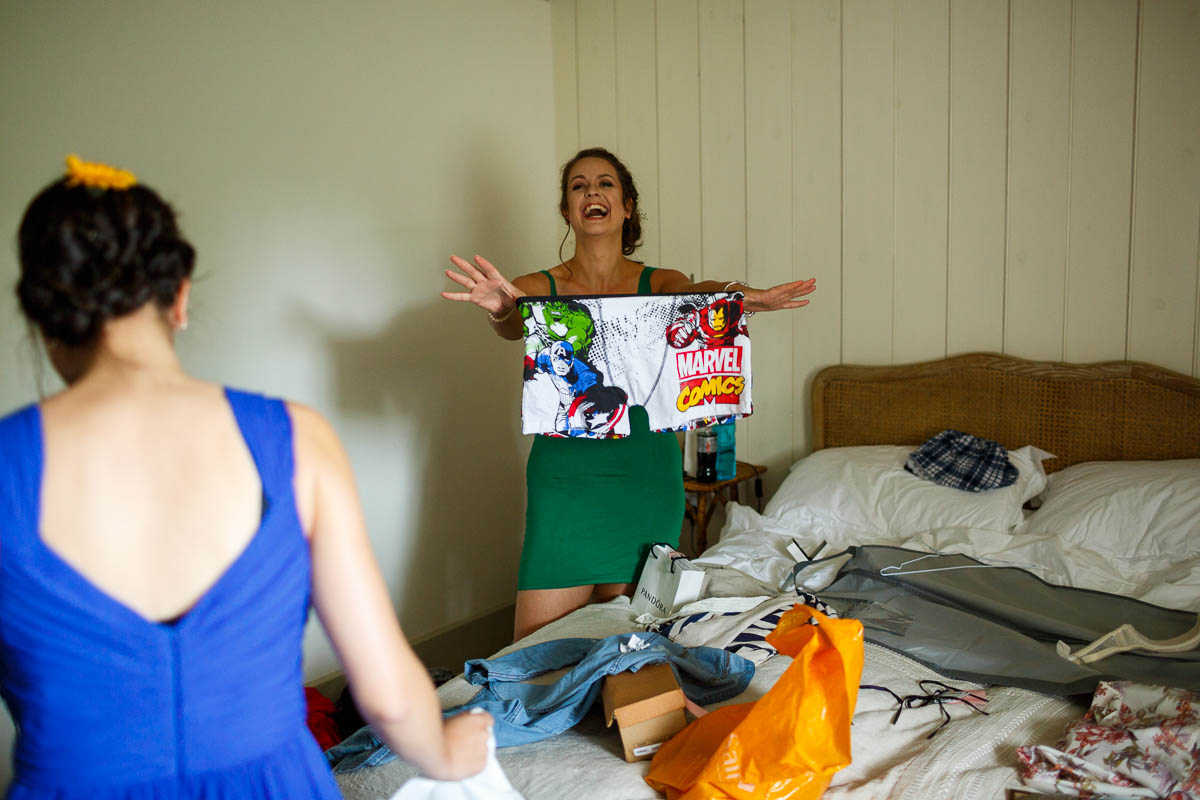
5. Saying ‘Cheese’ Reflects Cultural Habits
Culture shapes how we pose for photographs. We learn what a photo should look like from family, friends, adverts, films and other images.
We learn when to smile, where to look and how to position ourselves. Over time, these conventions become so familiar that we rarely question them.
“Say cheese” is one example of a learned convention. Other languages use different words to encourage smiling, but the underlying ritual is widely recognisable: the photographer gives a cue, and the people in front of the camera respond.
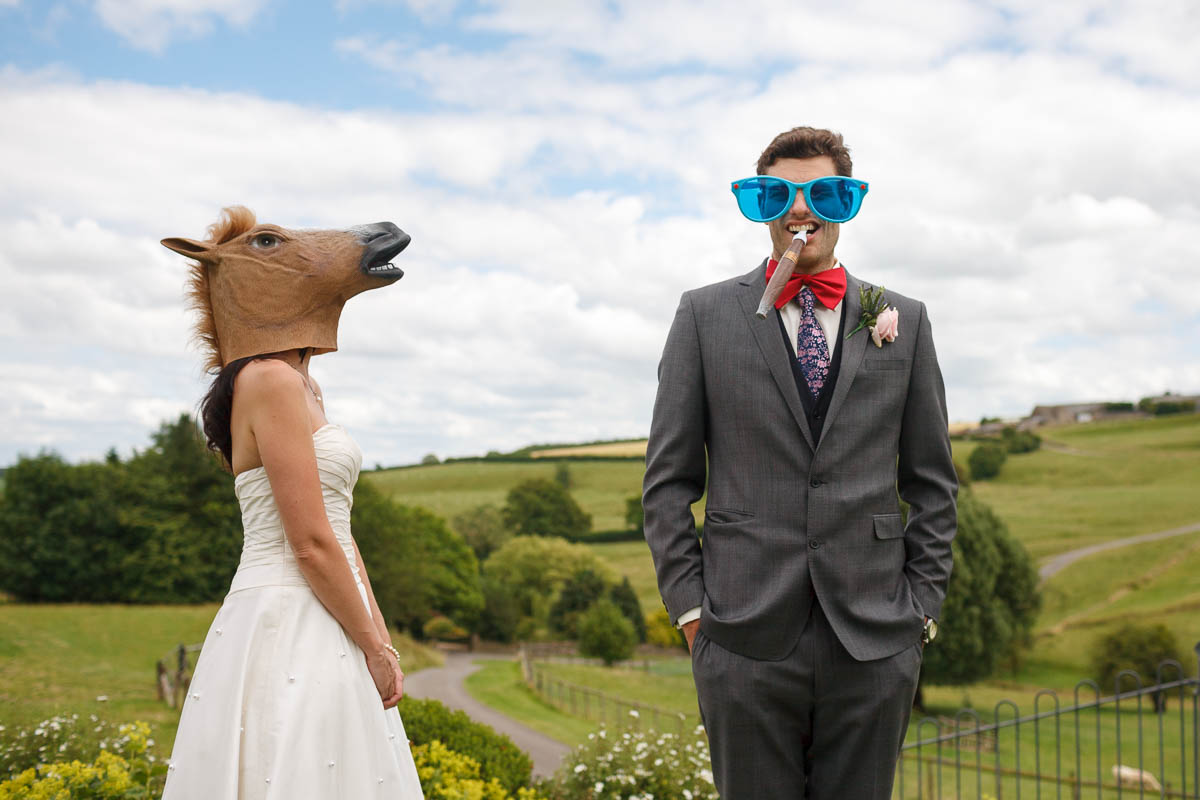
Playful posing can develop from these same habits. We see people making faces, adopting exaggerated poses or joking around in photographs, and these behaviours become part of our shared visual culture.
Cultural conventions do not determine everyone’s behaviour, of course. Personal preferences and circumstances still matter. Some people enjoy being playful in front of a camera, while others prefer a straightforward smile.
The important point is that posing for photographs is not simply an individual response to a camera. It is also a learned social practice.
From ‘Say Cheese’ to Smartphones: Has Playing Up for the Camera Changed?
Smartphones and social media have transformed how often we take photographs and how widely we share them. Yet people pulled faces and adopted theatrical poses long before digital photography became commonplace.
What has changed is the context in which we take and view photos.
In the past, we mainly took photographs for family albums or personal collections. Today, we can share the same images with hundreds of people. Knowing that others can view, like or comment on our photos can make us more aware of how we present ourselves online.
For some, a playfully silly photograph indicates they don’t take their appearance too seriously. For others, it’s a way to entertain friends or capture a memorable moment.
However, not every playful pose is for social media. People still make faces to amuse those beside them, often without intending to share the resulting photograph.
This distinction matters. People often select and edit photographs to shape how others see us, but they can also capture moments that are enjoyable in their own right.
What Playful Photographs Reveal About Human Behaviour
When someone shouts “Say cheese!”, the resulting photograph might seem unremarkable. Yet these small moments reveal something about how we behave around other people.
We adjust our actions to social situations, use humour to express ourselves and learn conventions from those around us. We also respond to others’ reactions, sometimes changing our behaviour as a group interaction unfolds.
As a documentary photographer and associate professor of psychology, I find this aspect of human behaviour particularly interesting. A posed photograph may begin with an instruction, but what happens next can reveal something about the relationships between the people in front of the camera.
Sometimes, the most revealing moment is not the smile itself. It is what happens just before or after it, when people react to one another and forget about getting the photograph right.
Final Thoughts: Why We Play Up for the Camera
The psychology behind “Say Cheese”: Why We Play Up for the Camera involves several overlapping influences, including social connection, self-expression, emotional regulation and cultural habits.
A silly face might help someone manage self-consciousness, communicate a sense of humour or make a friend laugh. The meaning depends on the person, the audience and the situation.
The next time someone calls out “Say cheese!”, notice what happens. Does everyone smile, or does someone make a joke of it? Does one person’s laughter encourage others to join in?
These everyday interactions offer a glimpse into the psychology of social behaviour. Photographs do more than record what we looked like; they can preserve how we interacted with one another.
Explore more of my psychology writing to discover what research can tell us about human behaviour and everyday life.


