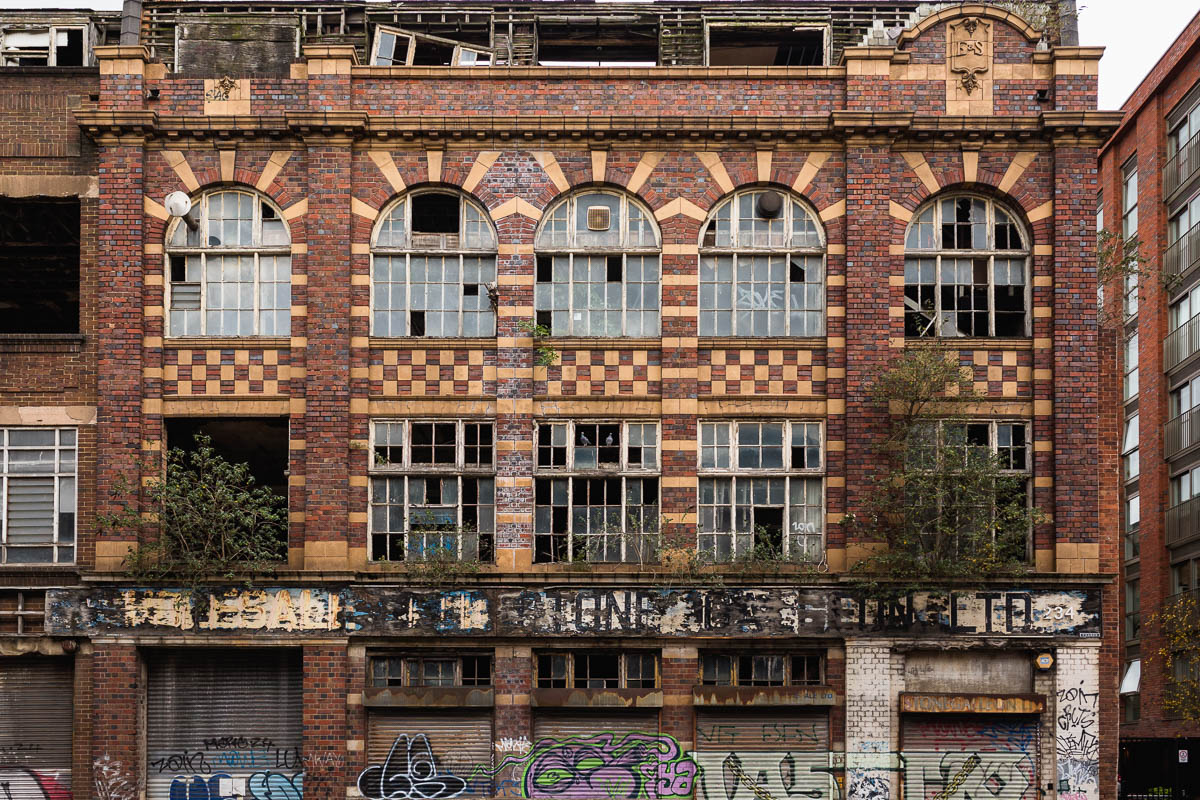
Every surface carries a history. Layers of paint, rust, cracked plaster, worn metal, faded signs, and weathered walls quietly record the passing of time and the traces of human activity. Often overlooked, these ordinary details become visual evidence of how places are shaped through use, neglect, repair, and change.
Surface Memory explores these overlooked fragments of the built environment. Rather than documenting decay for its own sake, the project considers surfaces as living archives—places where time becomes visible through texture, colour, and accumulated marks. Peeling paint, patched walls, scratched metal, stained concrete, worn handrails, and layers of posters reveal histories that would otherwise pass unnoticed.
Working at close range, the photographs transform familiar materials into abstract compositions of line, shape, colour, and texture. Removed from their wider surroundings, these details encourage a slower way of looking, revealing an unexpected beauty within everyday places. What first appears insignificant becomes visually rich through sustained attention.
The project also explores the traces people leave behind. Every scratch, repair, stain, and layer of paint speaks of repeated actions and shared histories. Rather than portraying individual people, the photographs examine the subtle evidence of their presence, suggesting stories through the marks left on walls, doors, pavements, and industrial surfaces.
Approaching the city in this way is a form of urban archaeology. Each photograph uncovers another layer of a place’s history, revealing how environments are continually altered by weather, work, maintenance, and human occupation. These surfaces become records of time rather than symbols of deterioration.
At its heart, Surface Memory is about attention. It asks what happens when we slow down and look closely at the ordinary. By inviting sustained observation, the project explores how perception can transform overlooked details into objects of curiosity, contemplation, and aesthetic appreciation. In doing so, it reflects an ongoing interest in mindful photography and visual psychology, where the act of looking itself becomes part of the photographic experience.