Brighton West Pier was built to draw people to the coast. Today, its skeletal remains attract visitors for a very different reason. The 2003 Brighton Pier fire destroyed much of the structure, leaving a rusted silhouette offshore that has become a familiar part of the city’s seafront.
I grew up near the Sussex coast and photographed West Pier in 1999, when it was already showing signs of decay. I returned in 2012 to photograph what remained after the fires. Taken thirteen years apart, the photos below show just how much the pier had changed, from a neglected but largely intact structure to the skeletal remains we see today. The surviving ironwork continues to weather in the sea air, and storms occasionally alter its appearance further.
Brighton West Pier in 1999
Designed by the engineer Eugenius Birch, Brighton’s West Pier opened in 1866. Like other Victorian pleasure piers, it gave visitors a place to enjoy the sea air and seaside entertainment. It later included a concert hall and theatre, making it a popular attraction on Brighton’s seafront.
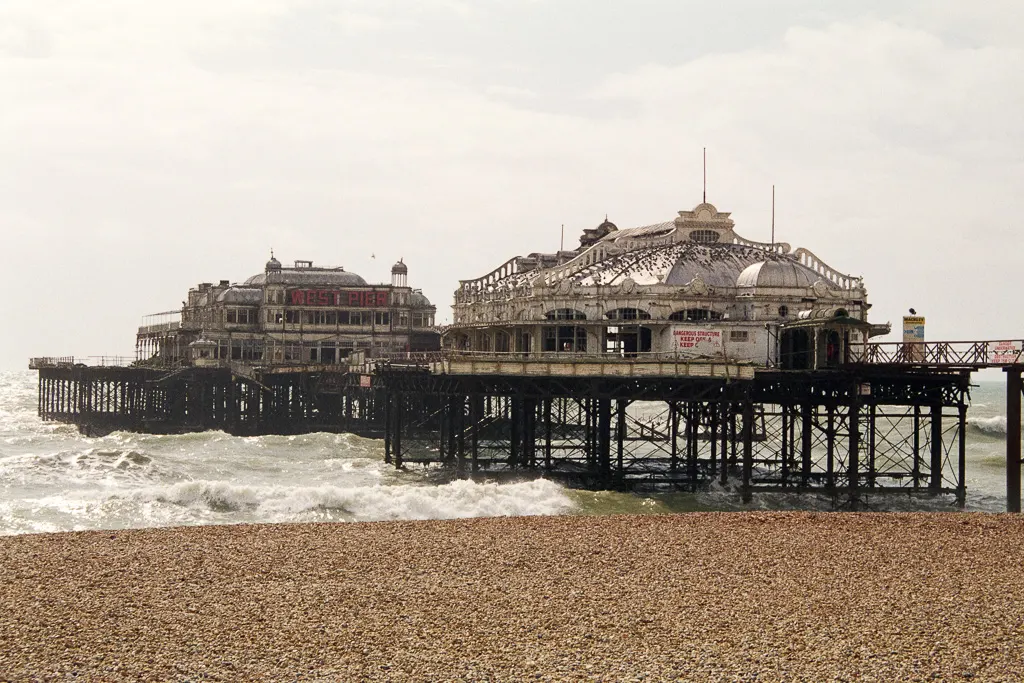
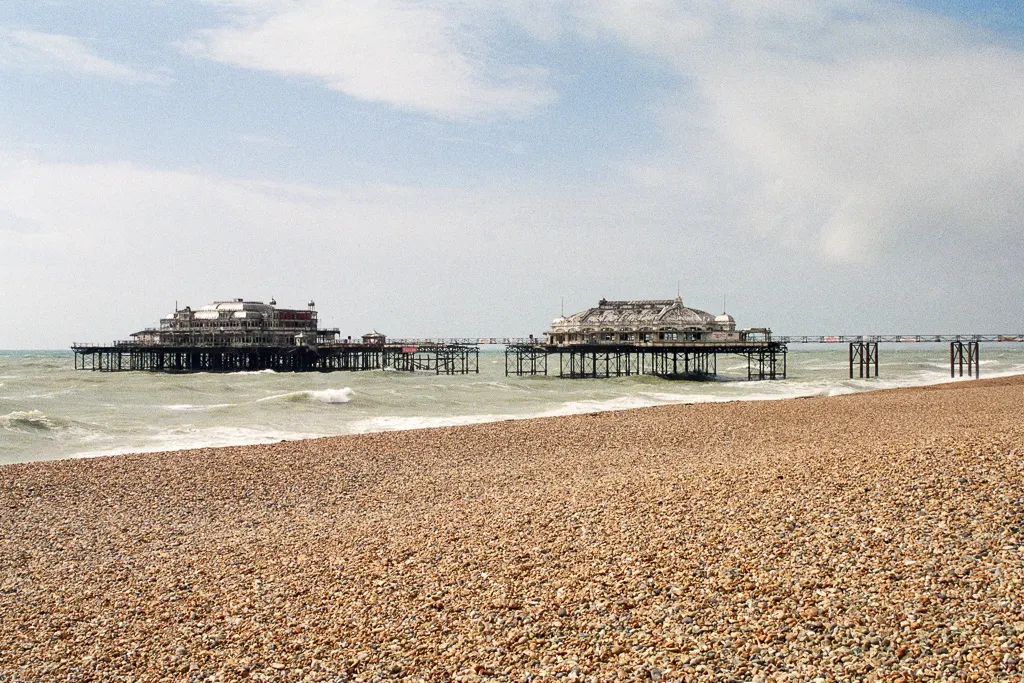
By the time I photographed the pier in 1999, it had been closed to the public for more than twenty years. It closed in 1975 because it was unsafe, and years of exposure to saltwater and storms had taken their toll. Despite its neglected condition, much of the original structure was still standing.
My 1999 photos show the pier before the Brighton Pier fire. The entrance sign, front pavilion and rear concert hall were still there, although the buildings and ironwork showed clear signs of decay.
Looking back at these pictures, I’m struck by how much of the pier remained. I knew it was deteriorating, but I hadn’t imagined how much more would disappear over the next few years.
The Brighton West Pier Fire in 2003
Two fires broke out on 28 March and 11 May 2003, destroying much of the pier. Arson was suspected, but the cause was never confirmed.
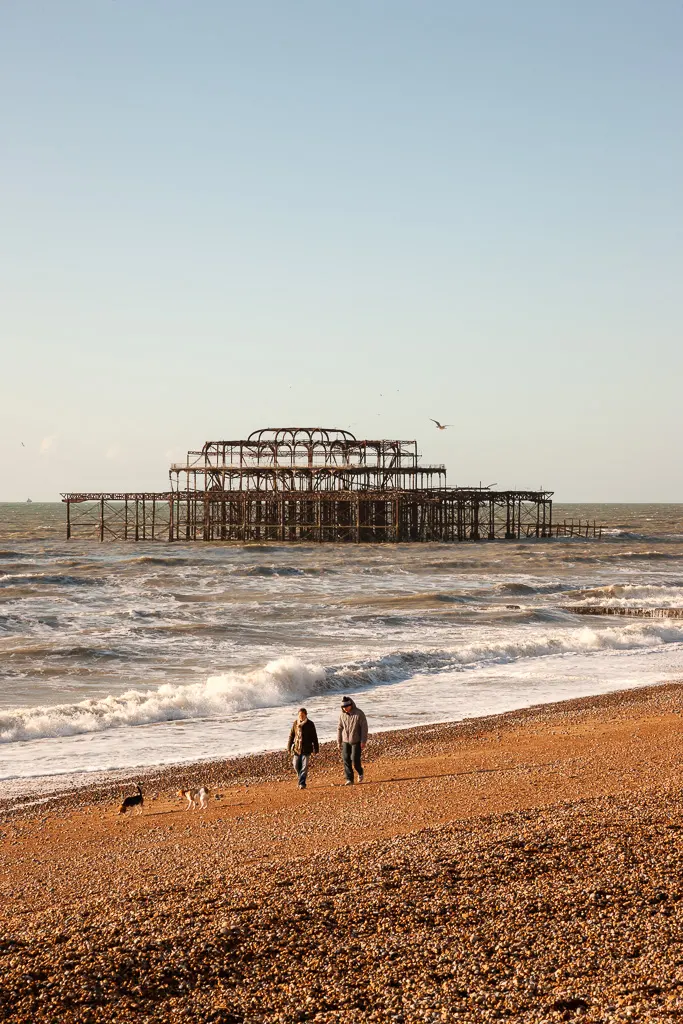
The twin blazes left little of the pier intact. The buildings and much of the deck disappeared, leaving only sections of the iron framework standing out at sea, exposed to the weather. Brighton Pier fire changed West Pier forever.
West Pier and Palace Pier
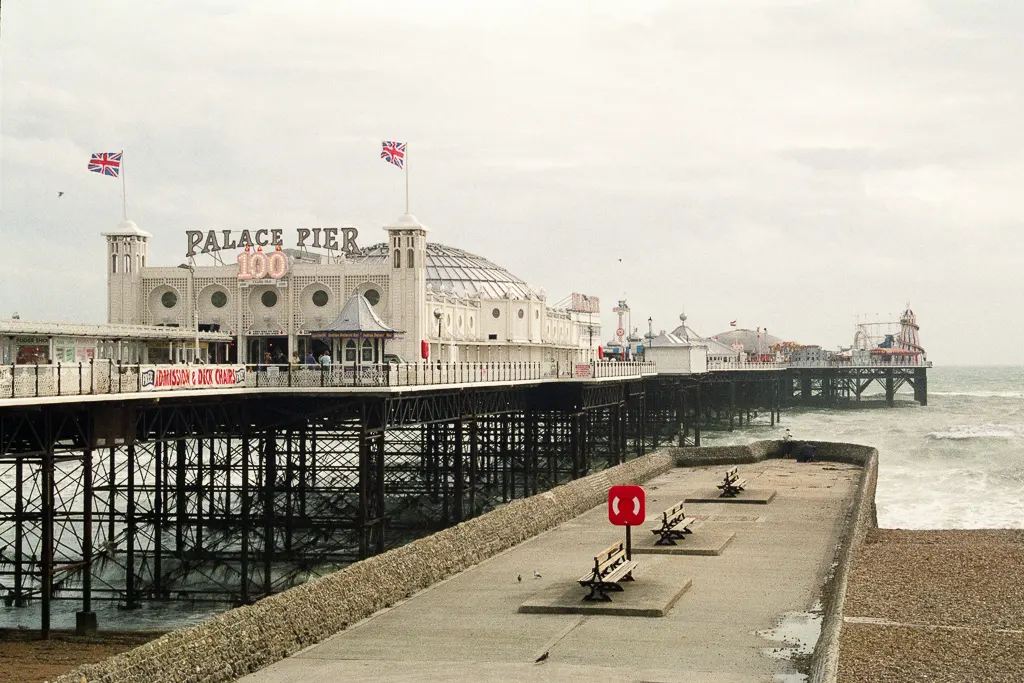
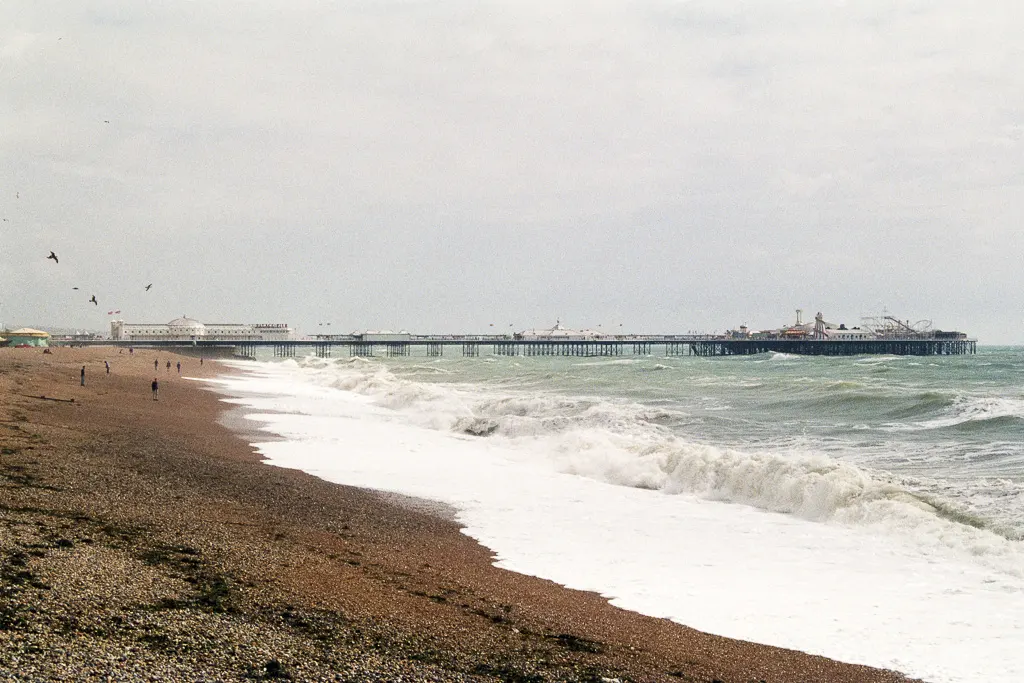
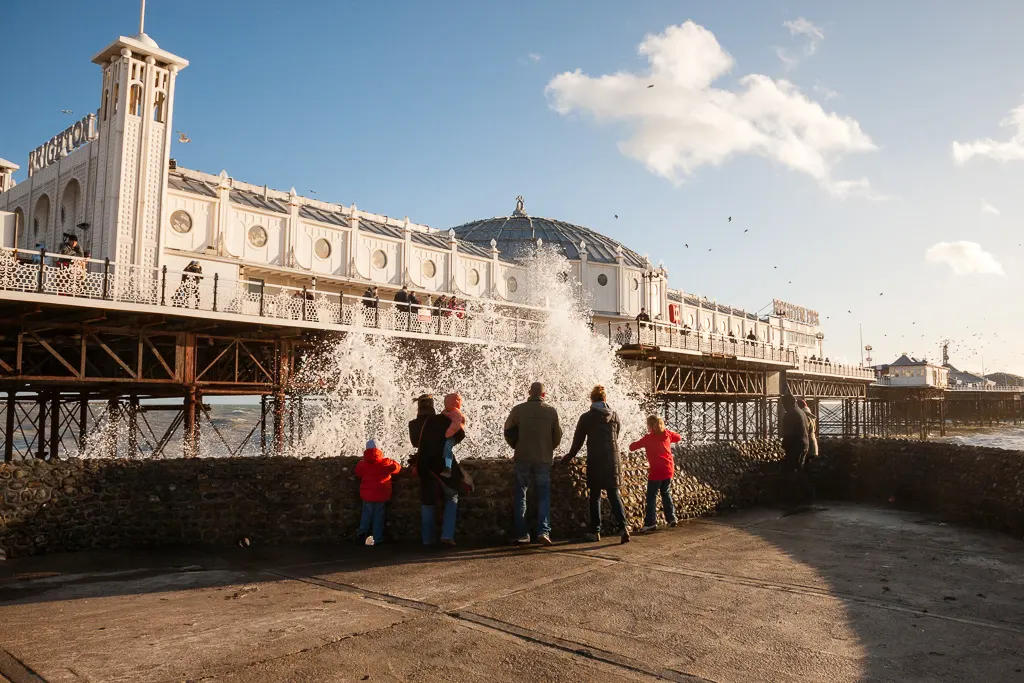
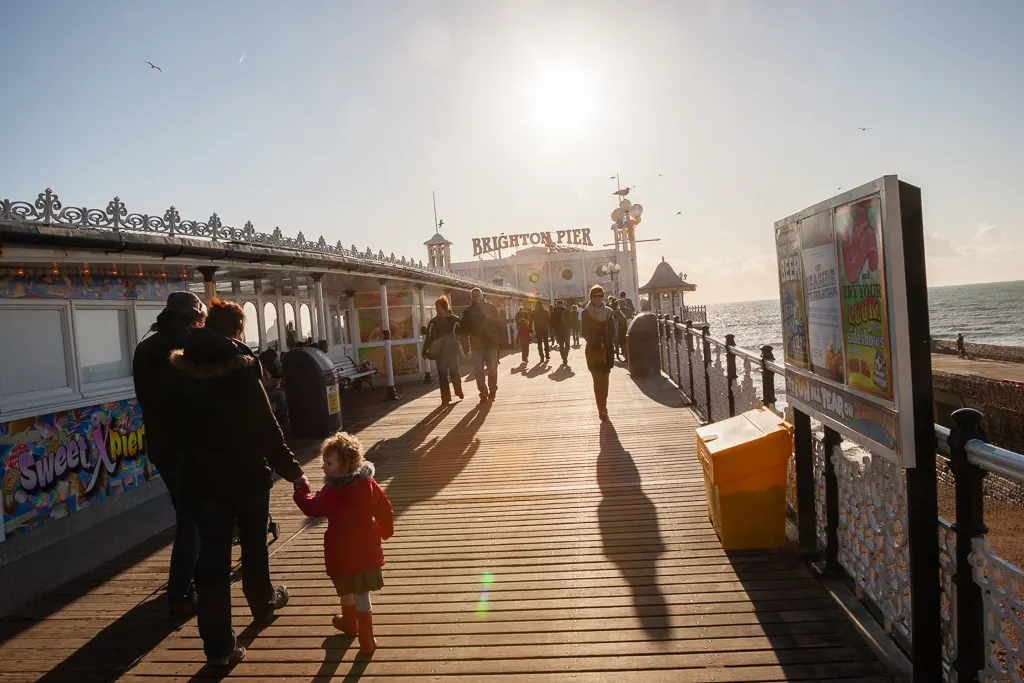
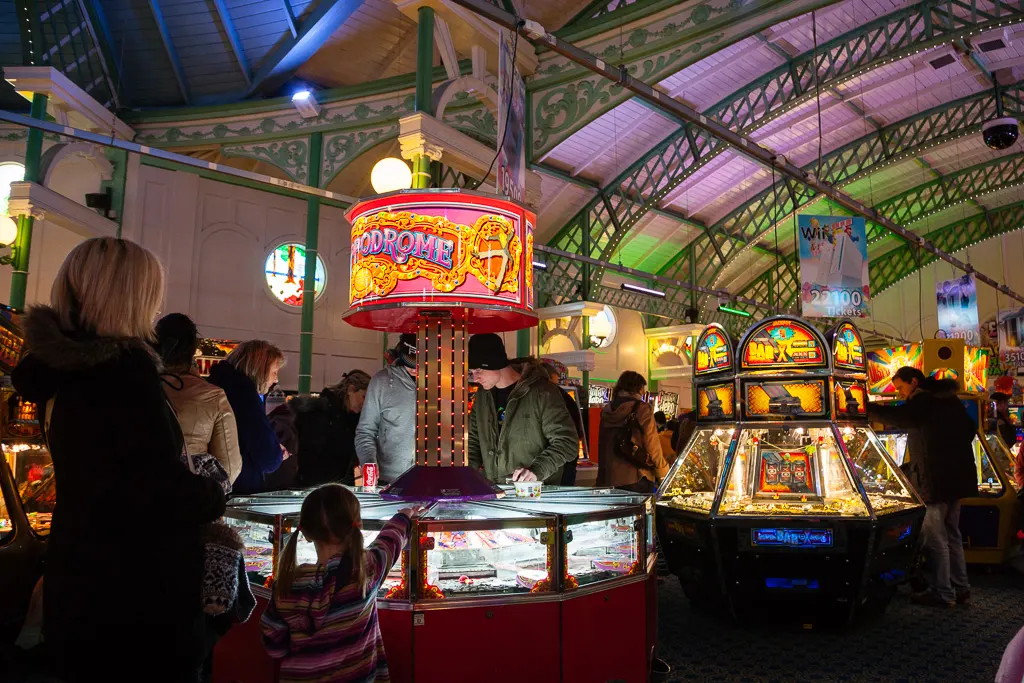
Brighton has two famous piers, each with a different history. The West Pier opened in 1866 and eventually fell into ruin. The Palace Pier opened in 1899 and was renamed Brighton Pier in 2000. It continues to attract visitors with its traditional seaside amusements. My 1999 photo shows the Palace Pier celebrating its centenary.
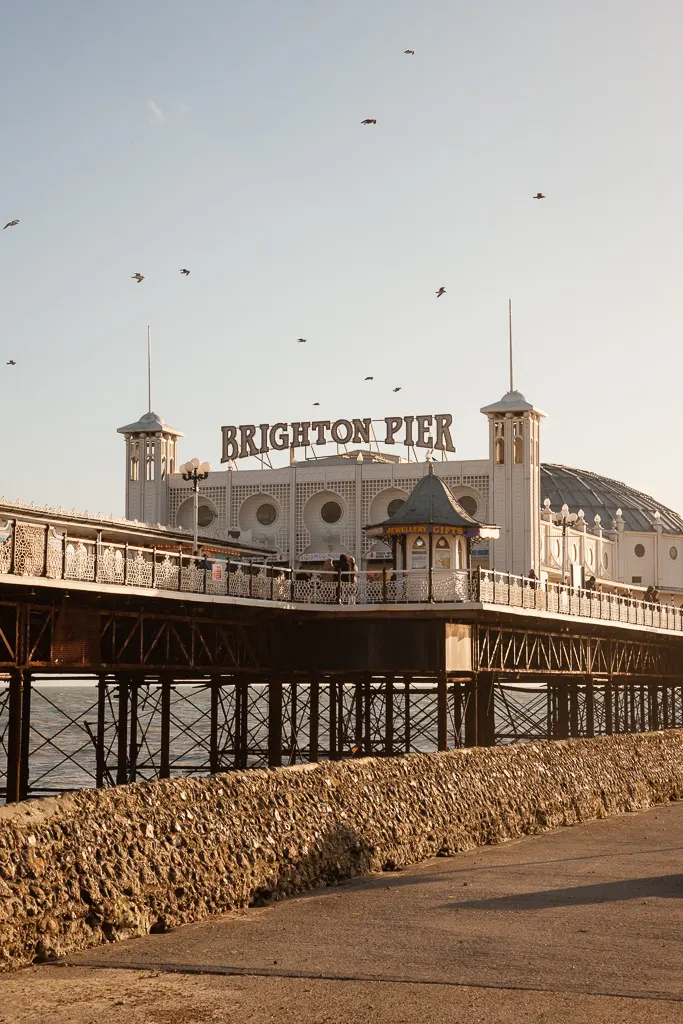
I photographed both piers in 1999 and again when I returned to Brighton in 2012. The contrast between them is striking. While Palace Pier remains a lively part of the seafront, West Pier has become a reminder of how much has changed.
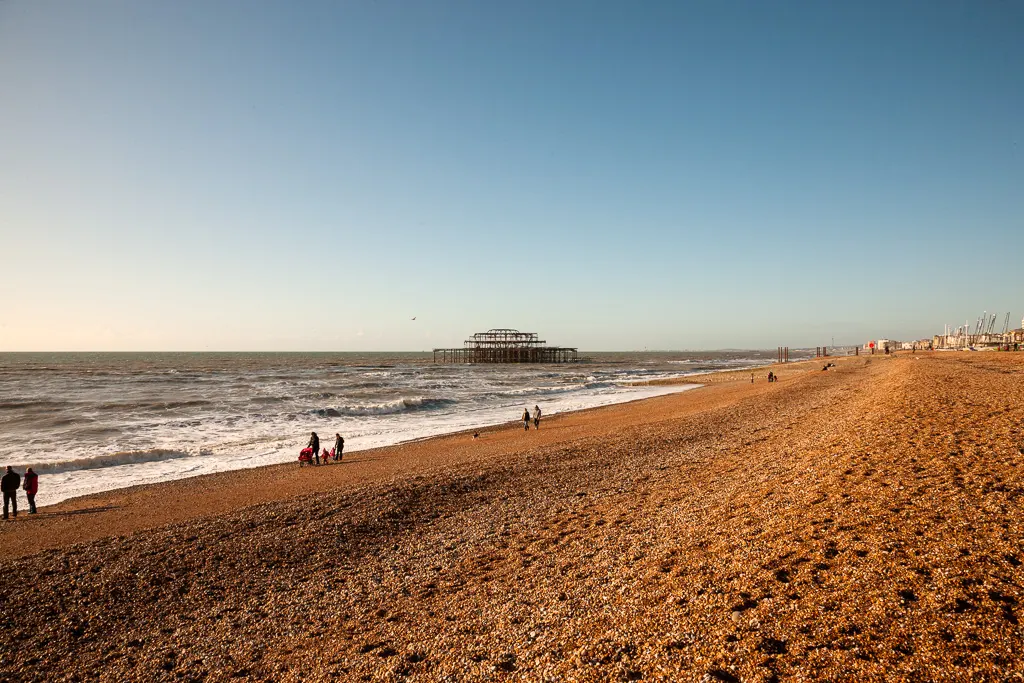
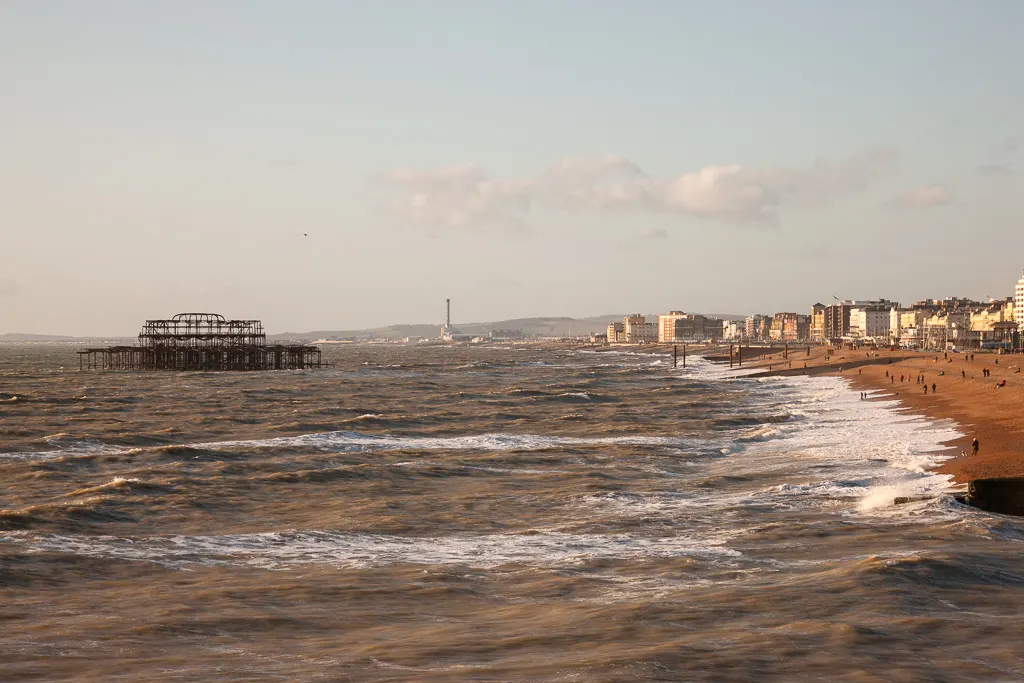
Brighton West Pier in 2012
When I returned to photograph West Pier in 2012, only sections of its iron framework remained. Rusted and exposed to the elements, they traced the outline of the structure that had once stretched out from the shore.
The difference between my 1999 and 2012 photos is striking. The earlier images show a neglected but largely intact pier, while the later ones capture the remains after the fires. Together, they tell the story of its decline in a way neither set of photos could on its own.
Even in ruin, West Pier remains an important part of Brighton’s history. The remains are a lasting reminder of the Brighton Pier fire and continue to shape the seafront view. But it’s difficult to know how much longer the pier will stand.
More Photos of Brighton
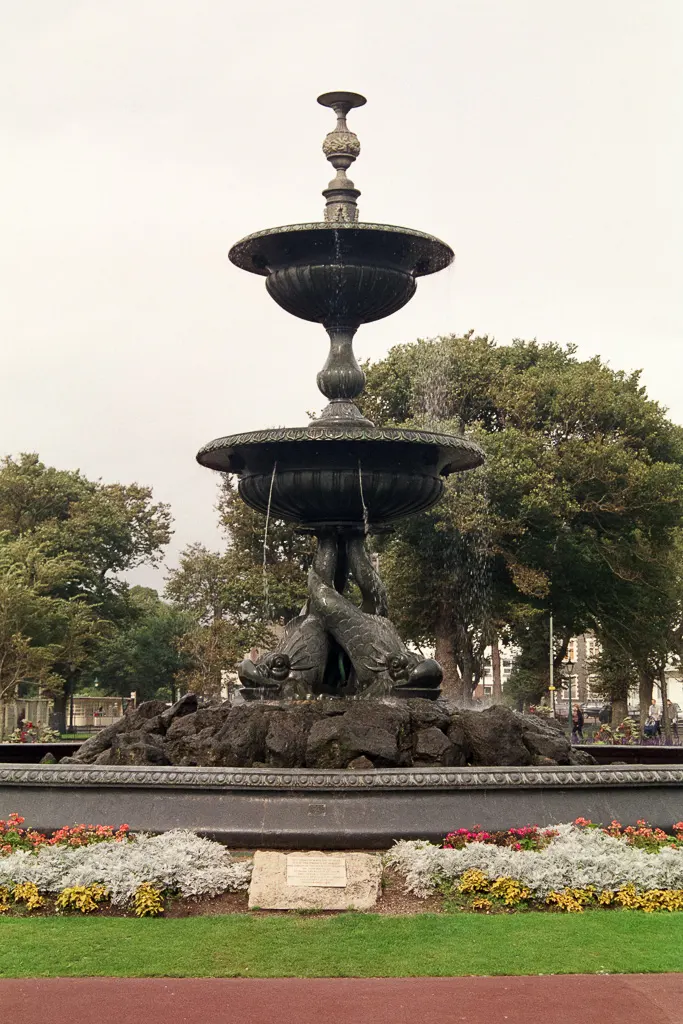
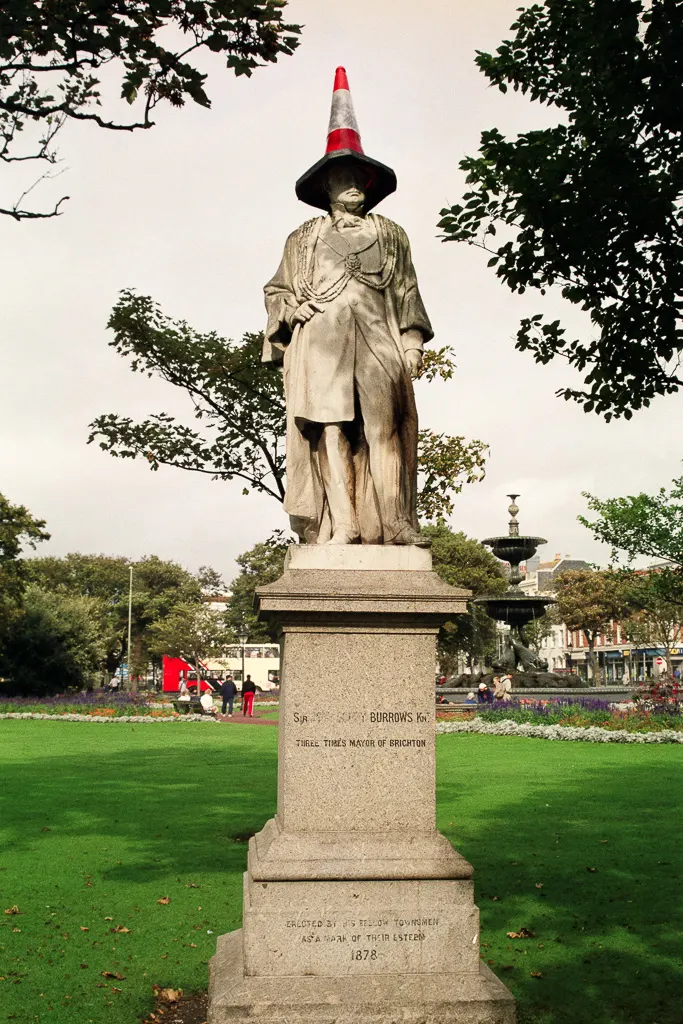
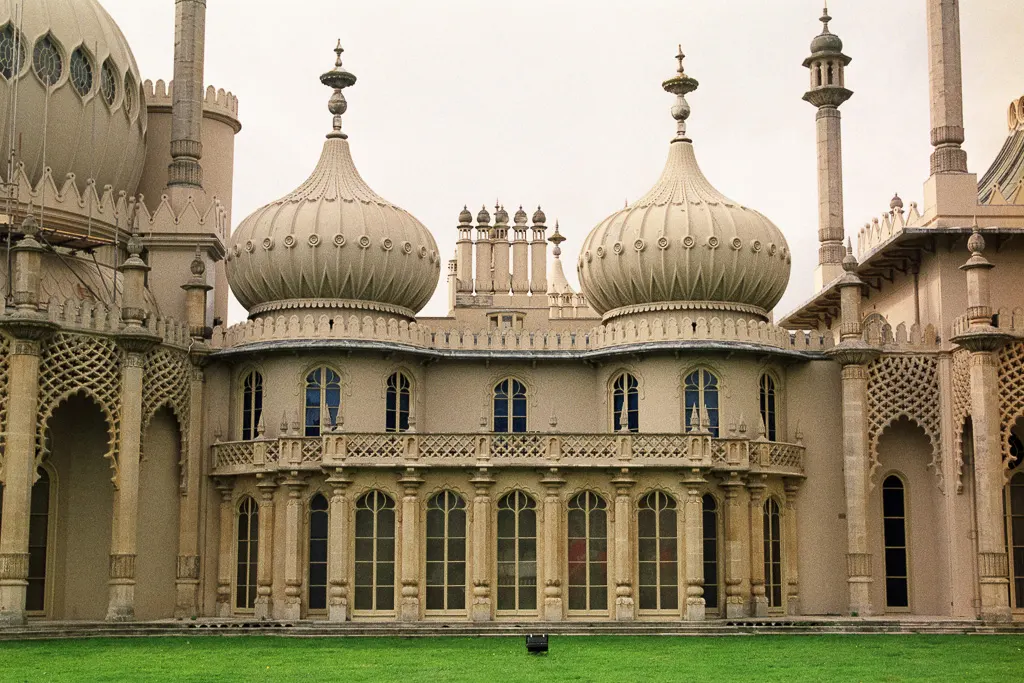
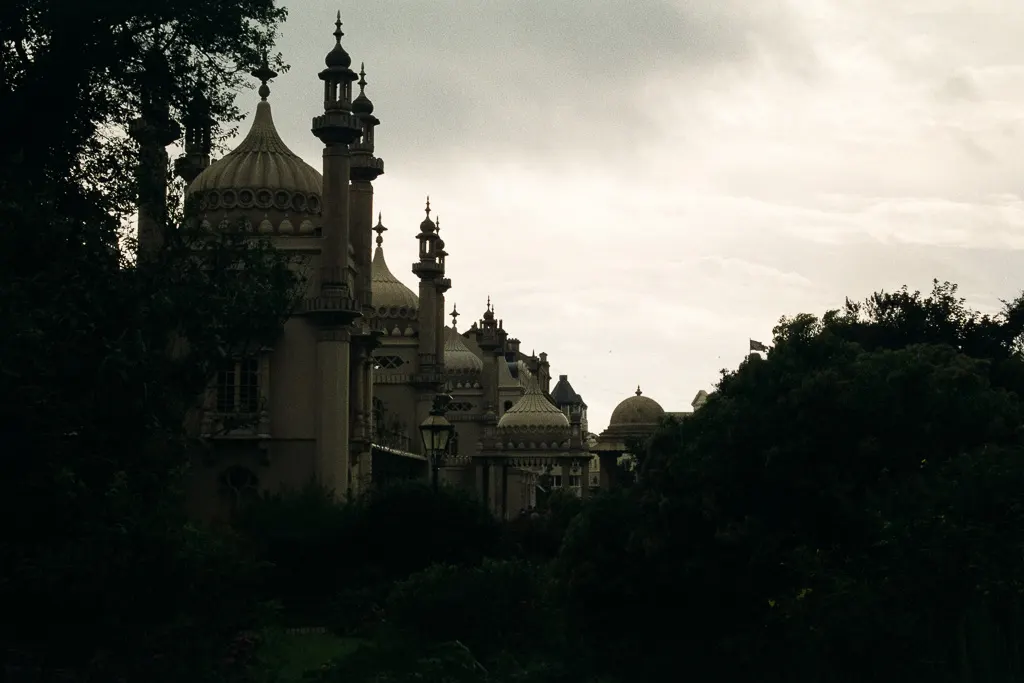
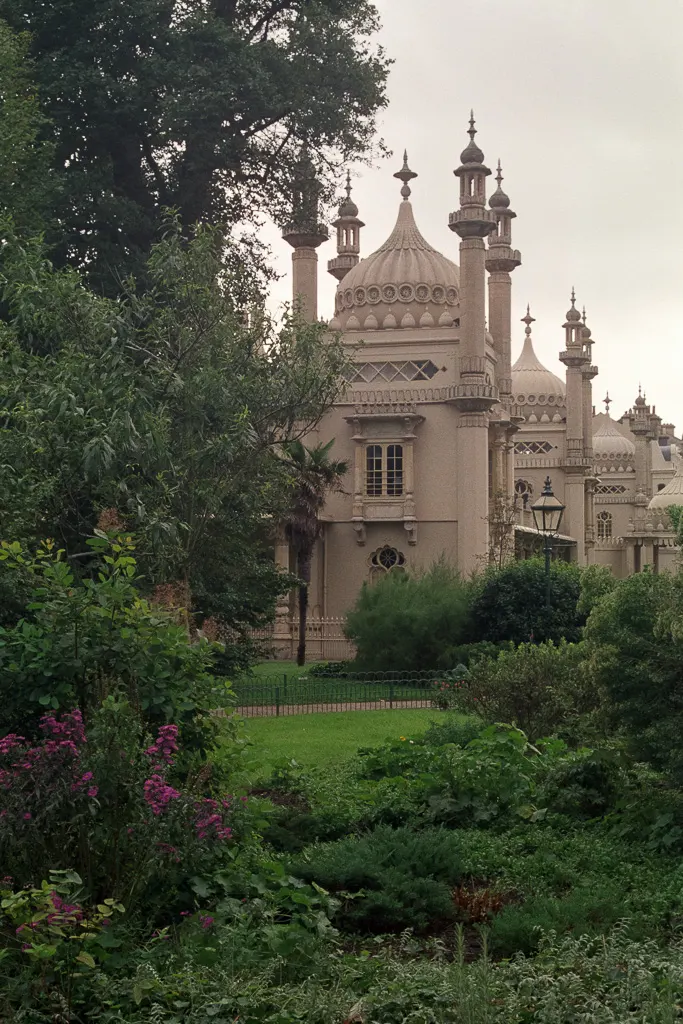
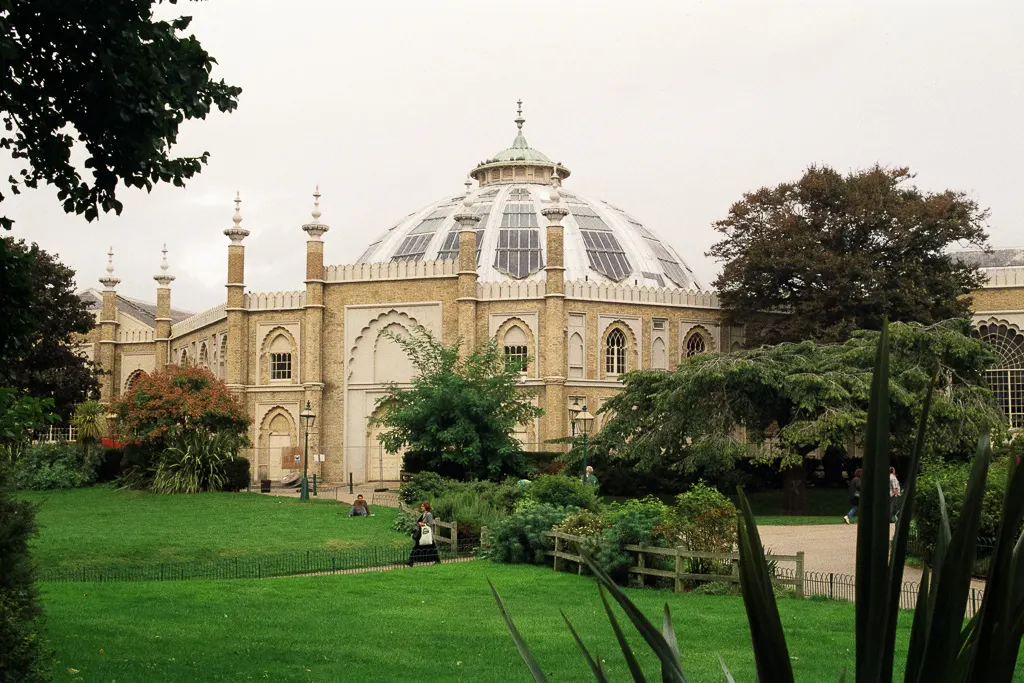
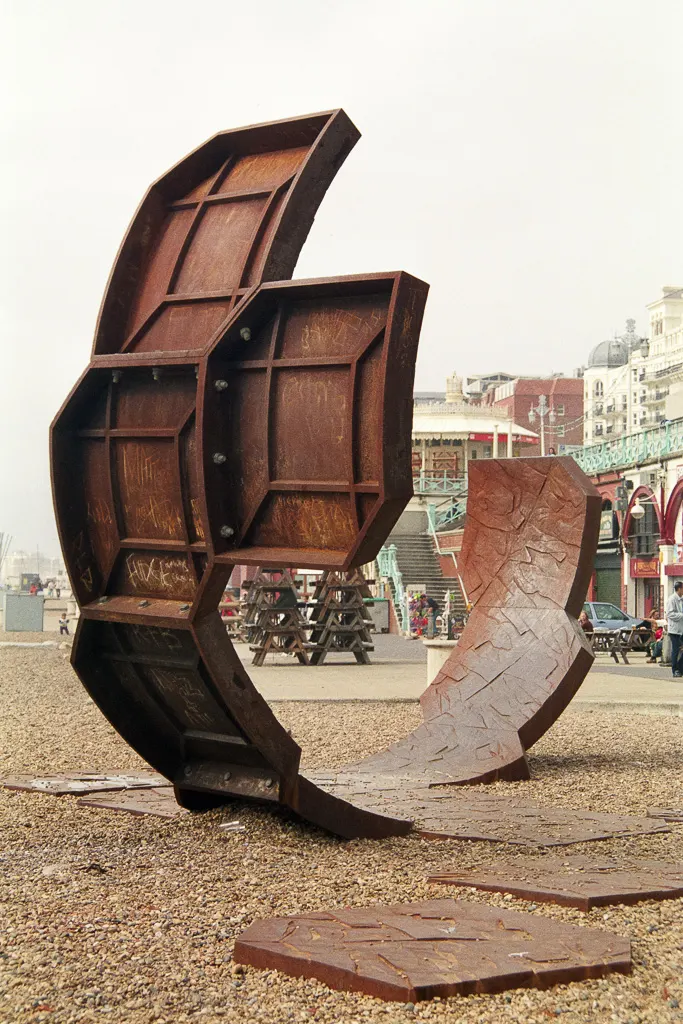
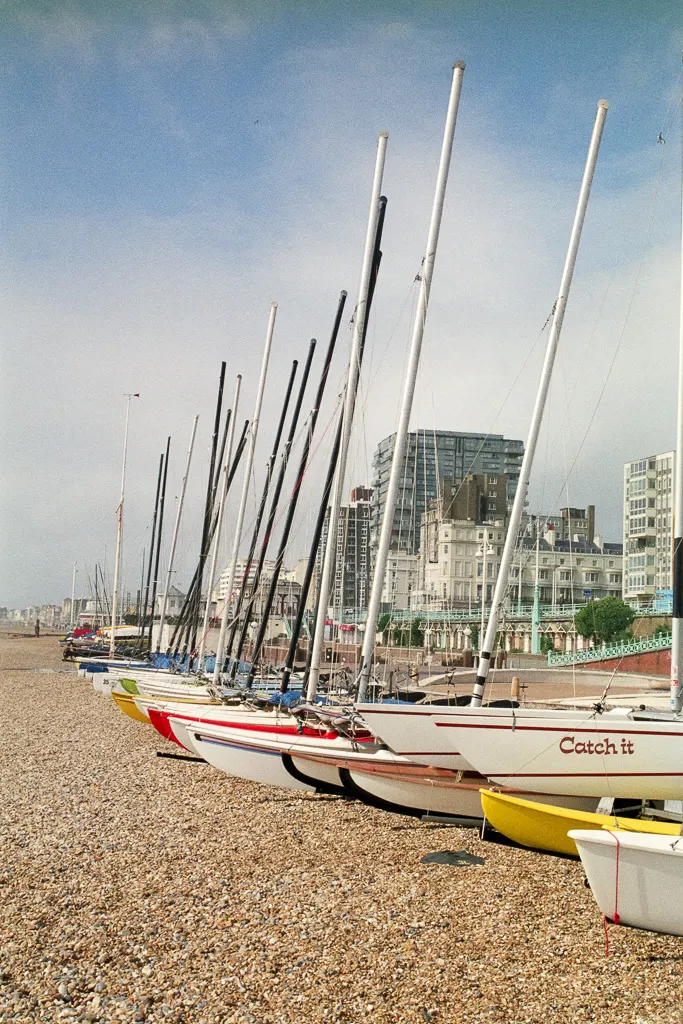
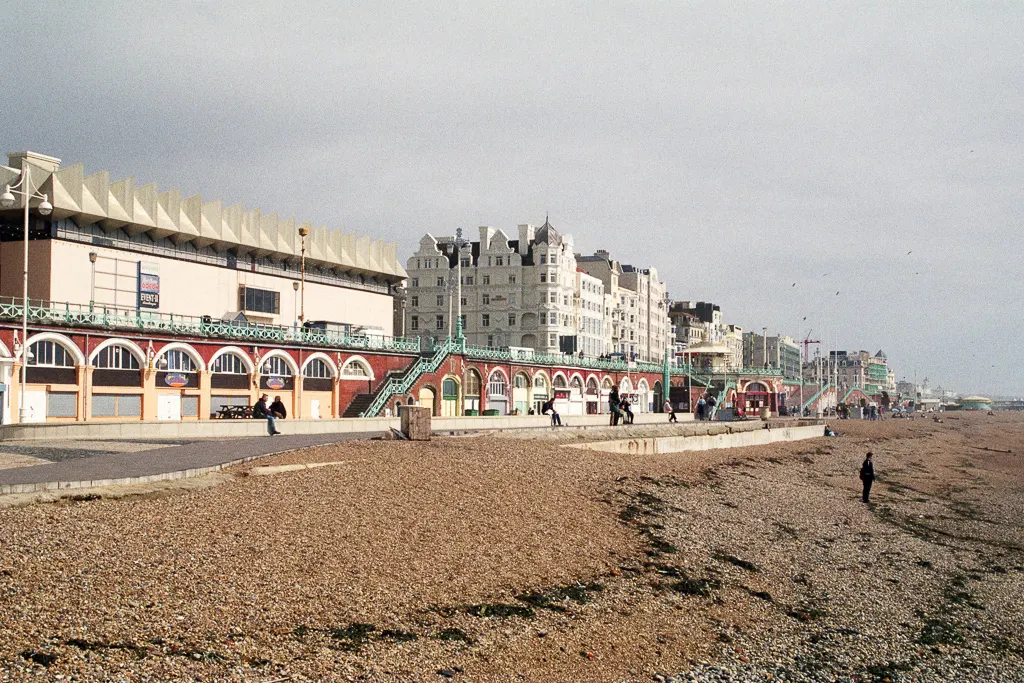
I also photographed the Royal Pavilion and its gardens in 1999, along with other views of Brighton’s seafront, including Charles Hadcock’s iron sculpture (Passacaglia) and a line of sailing boats. Together, these photos capture Brighton as I remember it at the turn of the millennium, before the West Pier fires changed the familiar seafront skyline.
Project Details
Location: Brighton West Pier, East Sussex, England
Dates: Winter 1999 (35mm film); Summer 2012 (digital)
Cameras: Pentax MZ-50 (35mm film); Canon EOS-1Ds Mark III (digital)
Lenses: Pentax SMC FA 35–80mm f/4–5.6 (35mm); Canon EF 24–105mm f/4L IS USM (digital)
Film: Konica Centuria 200 colour negative film (35mm)
Scanner: Minolta DiMAGE Scan Elite 5400
Software: VueScan
Explore more of my street photography projects, featuring the people, places and candid moments that catch my eye.


