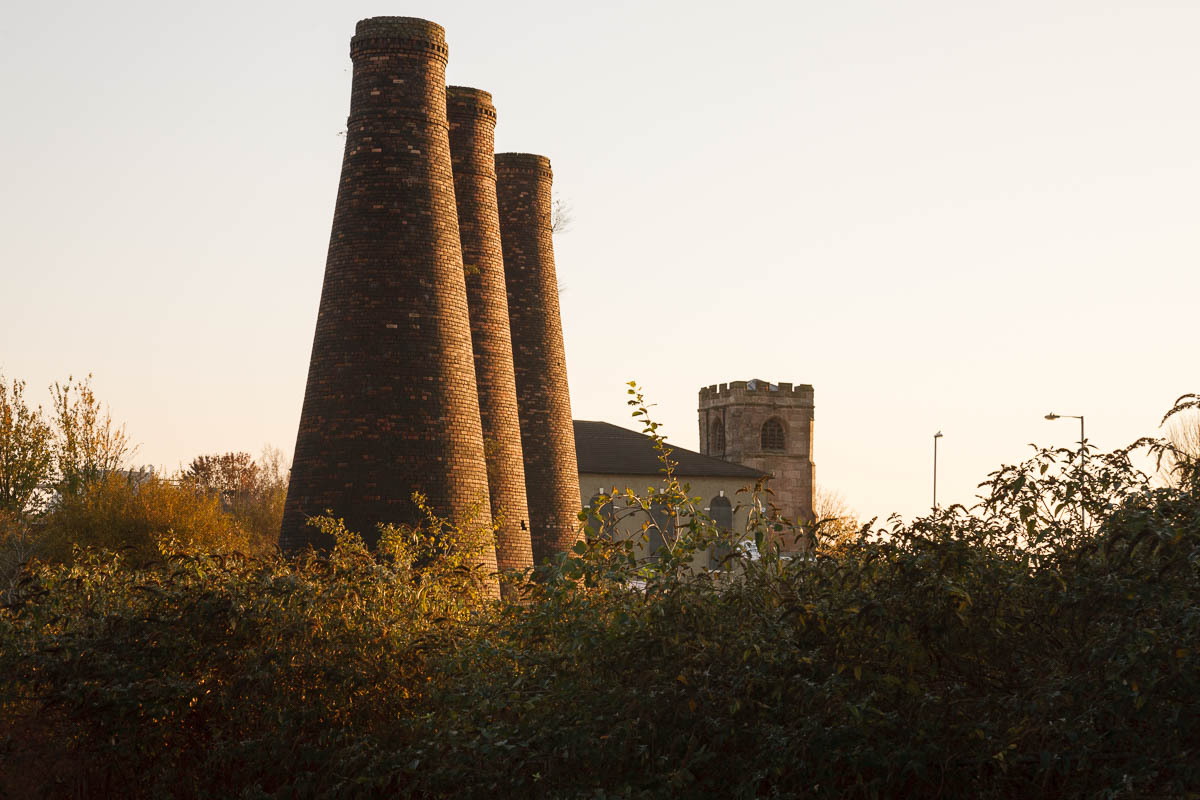
Industrial landscapes are shaped by what remains, but also by what continues. Across Stoke-on-Trent, once the centre of Britain’s pottery industry, abandoned potbanks, bottle kilns and working factories exist side by side. Some buildings have fallen silent, while others still produce ceramics, keeping alive skills and traditions that have shaped the city for generations. Together, they reveal an industrial landscape caught between decline, continuity and change.
Photographing Stoke’s Abandoned Potbanks
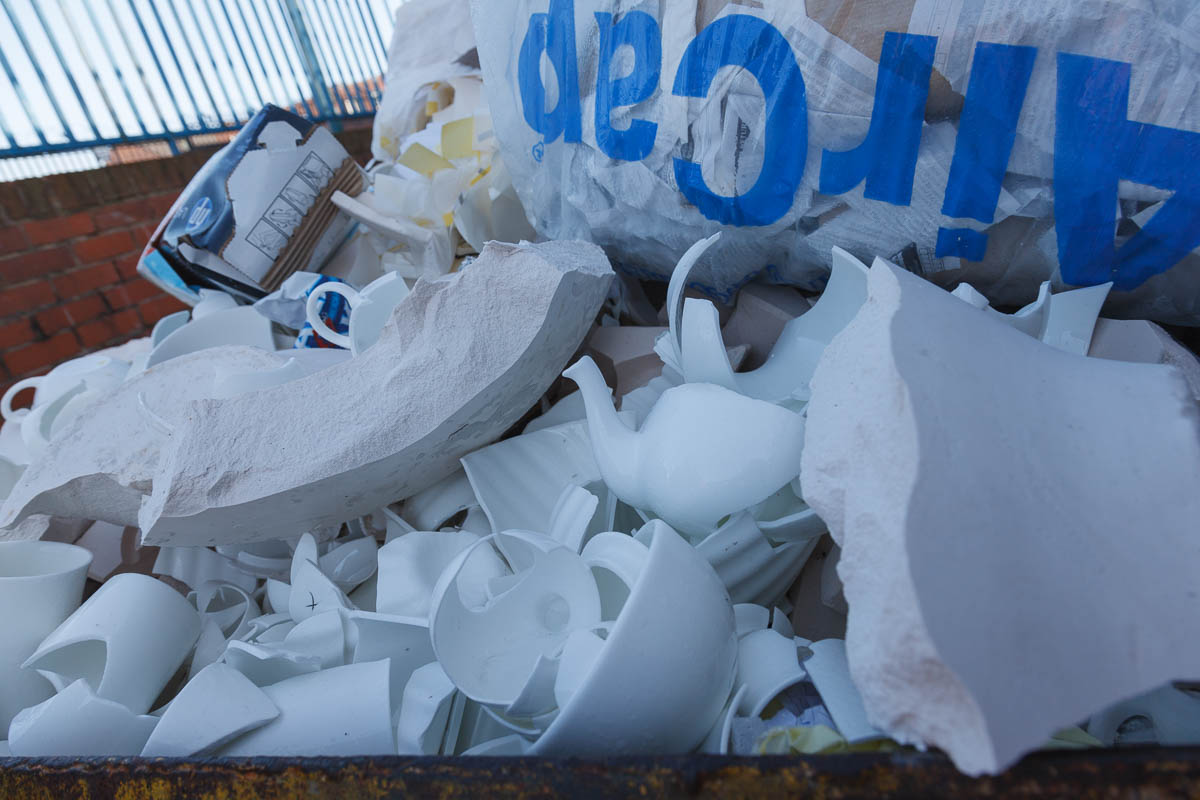
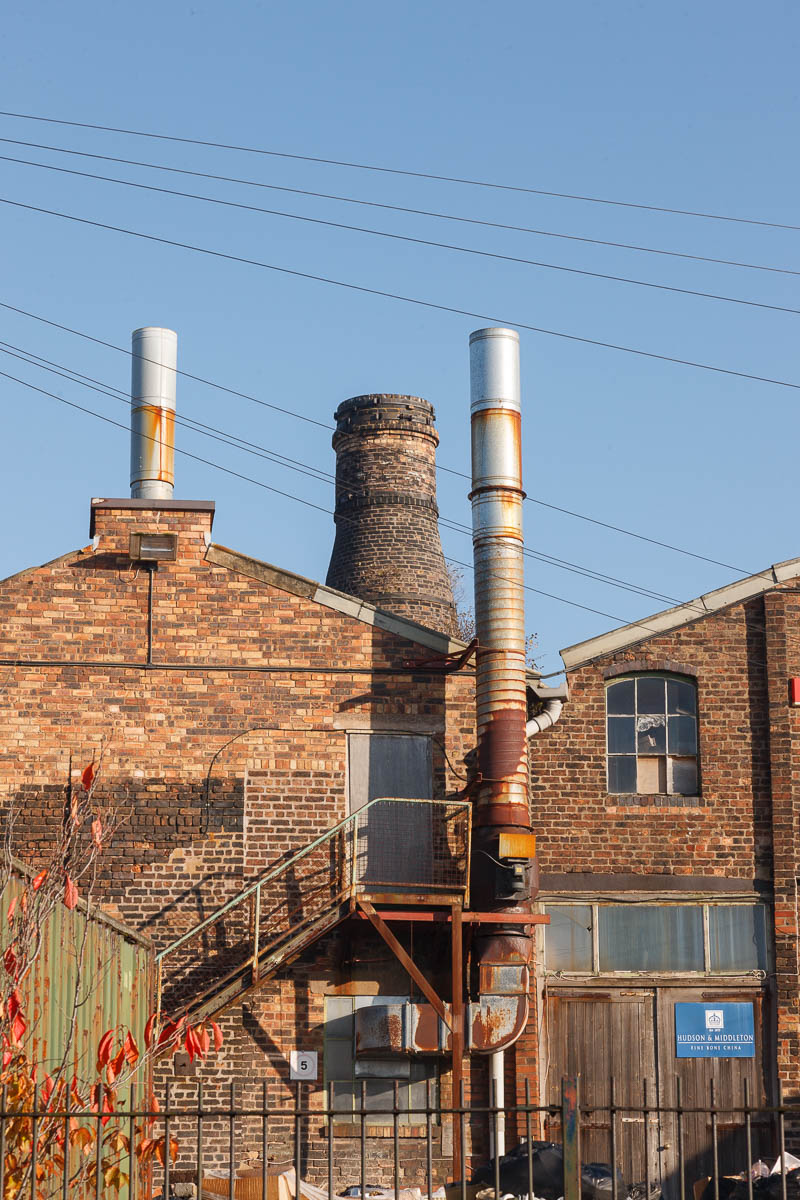
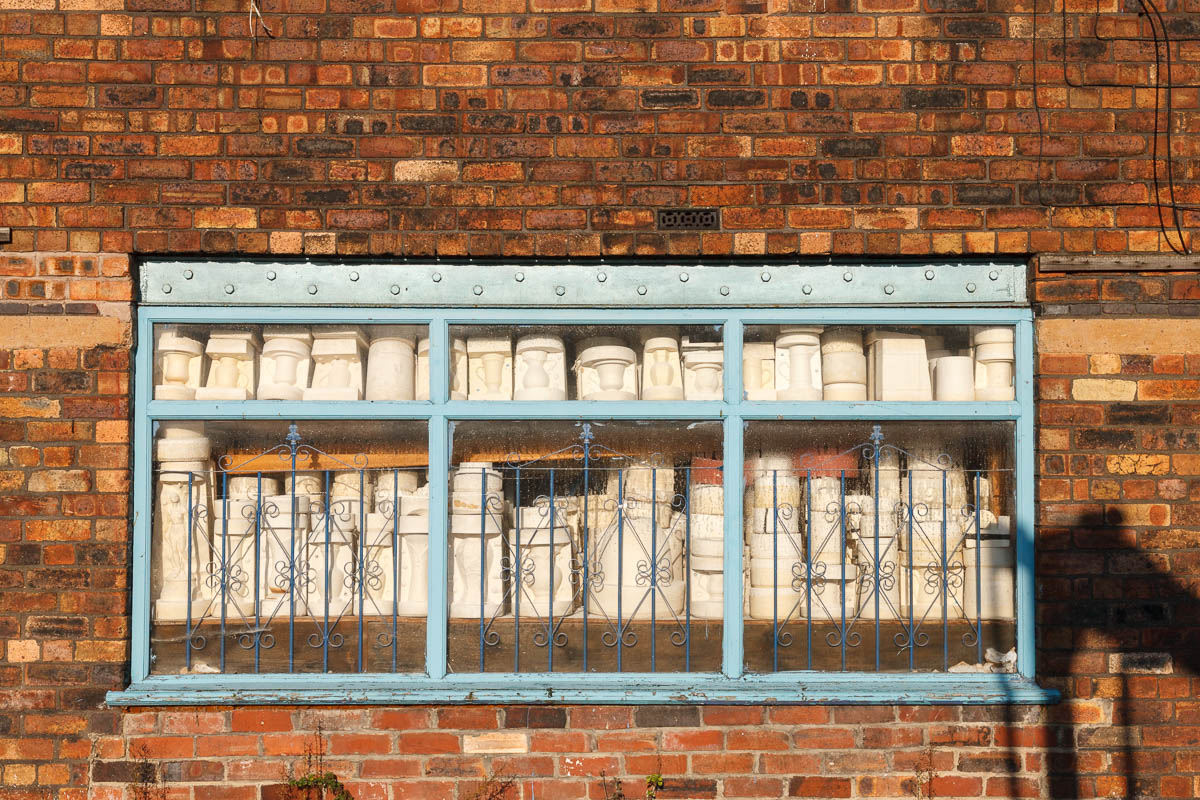
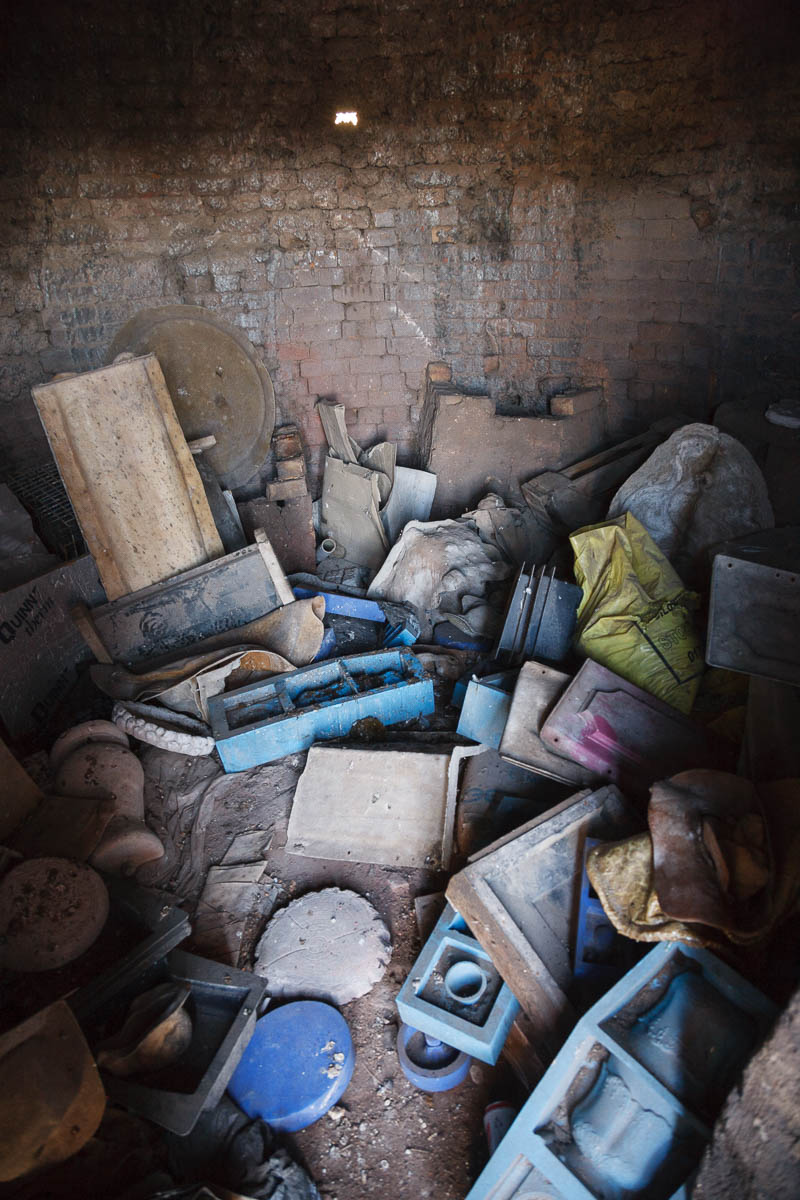
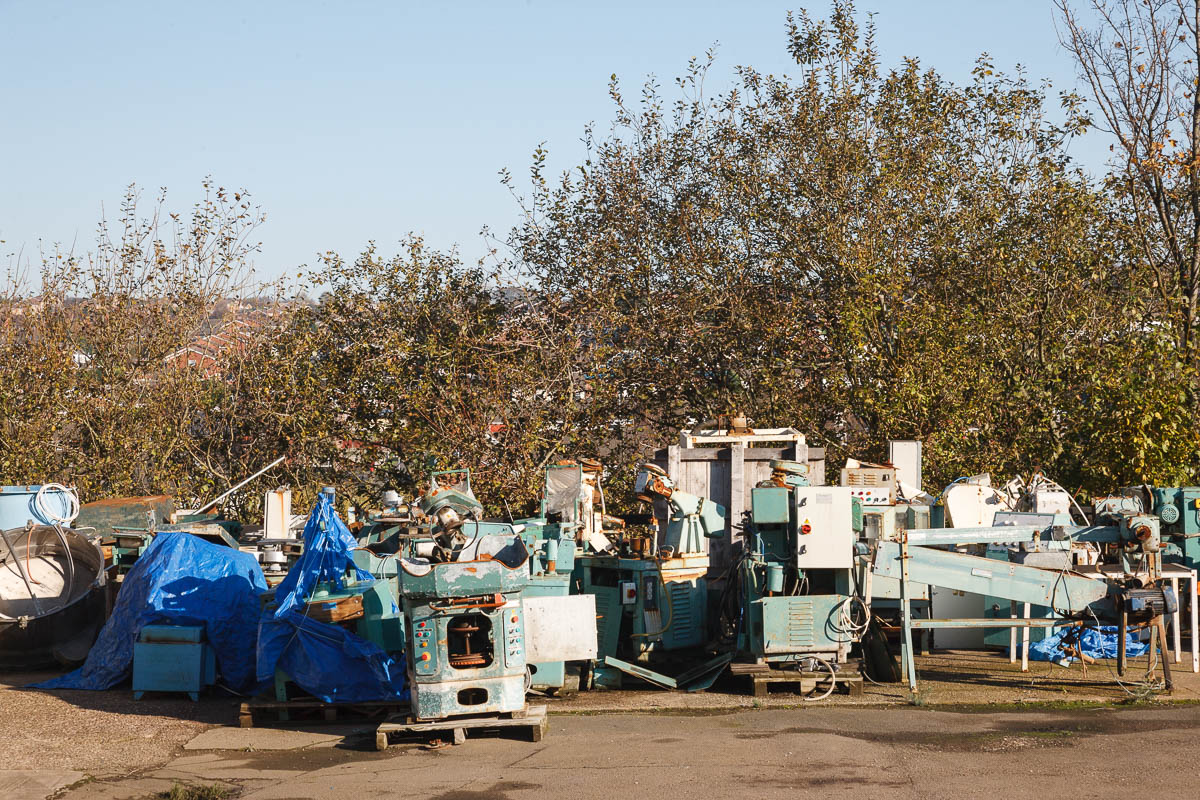
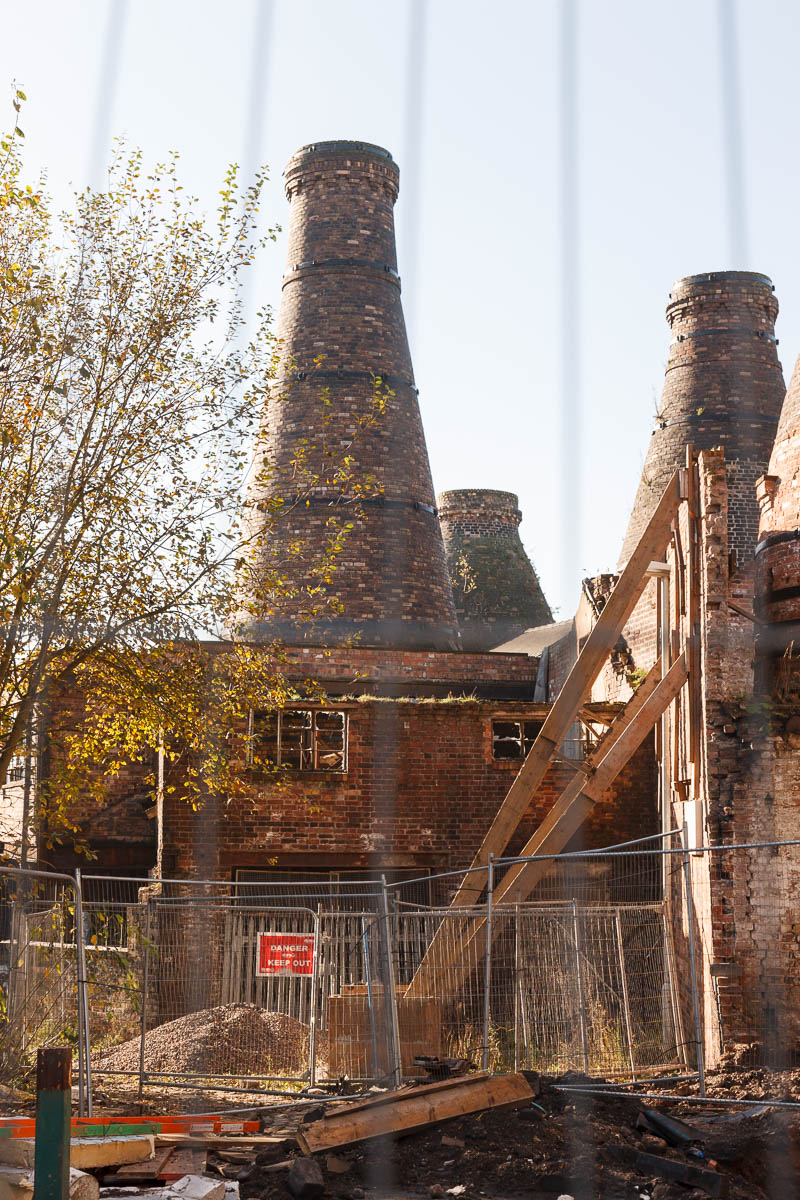
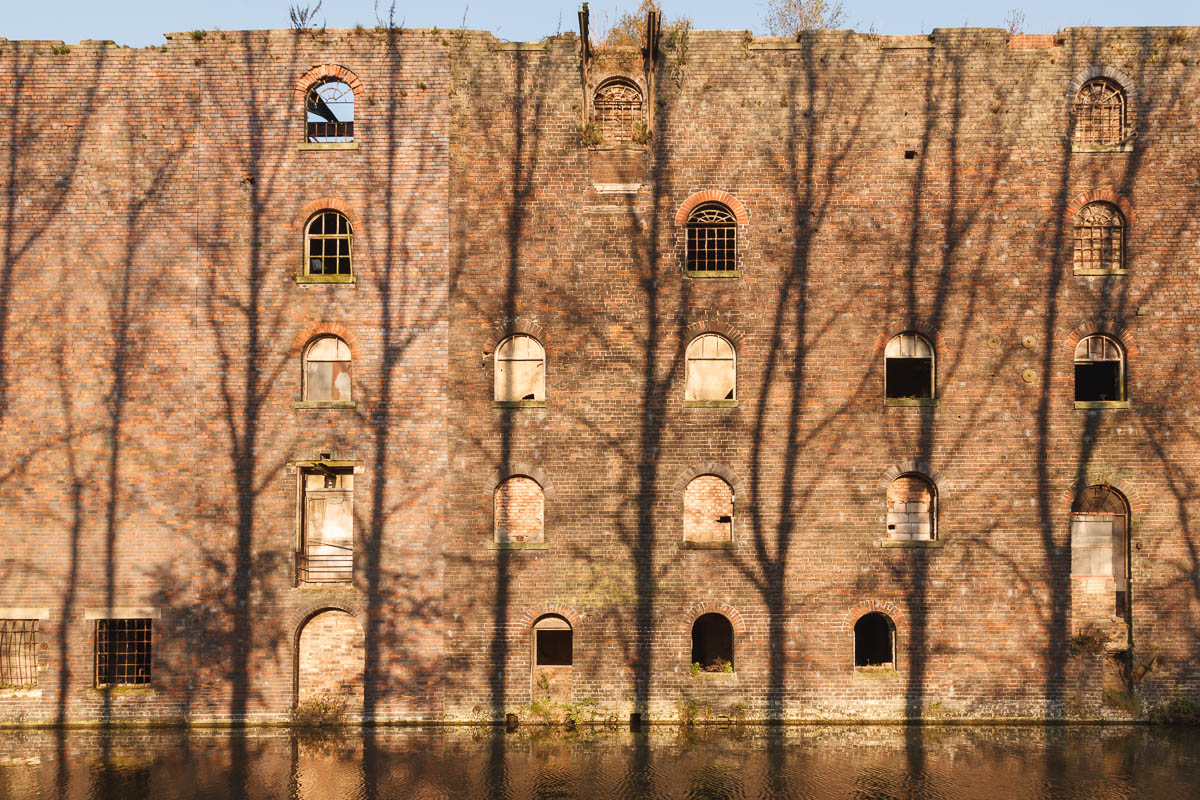
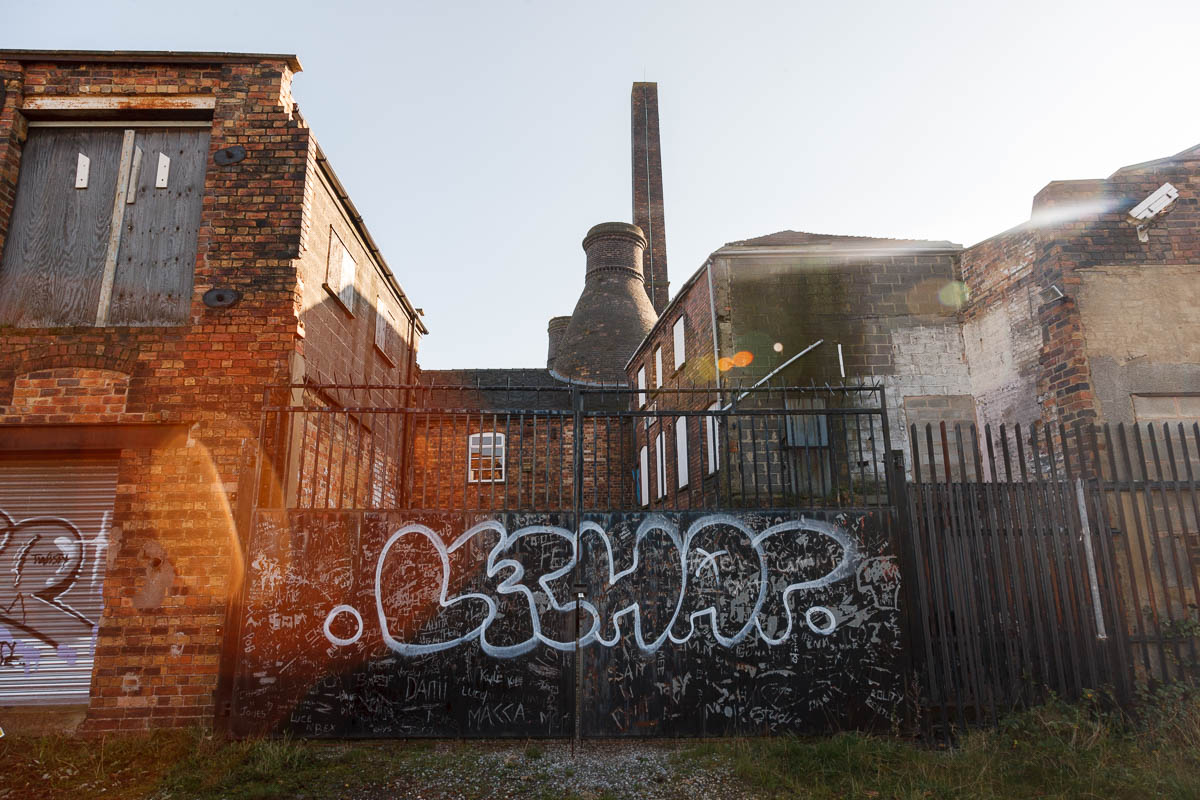
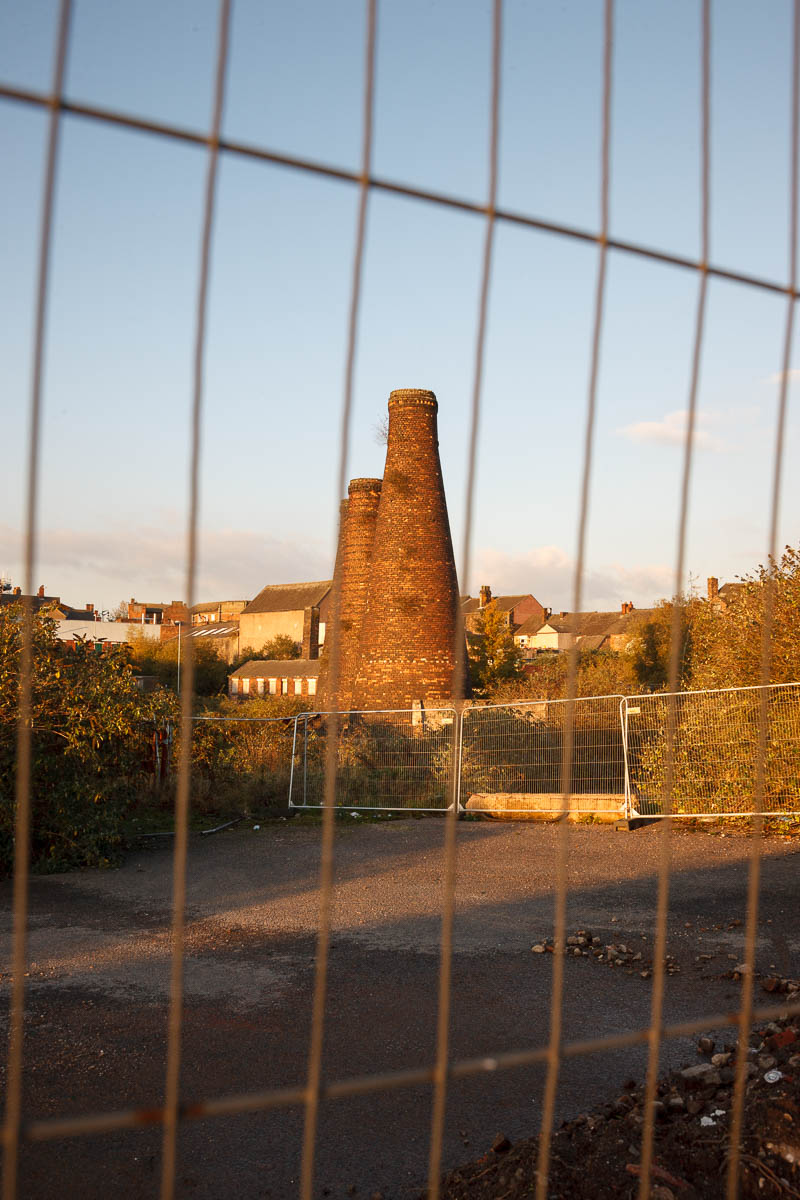
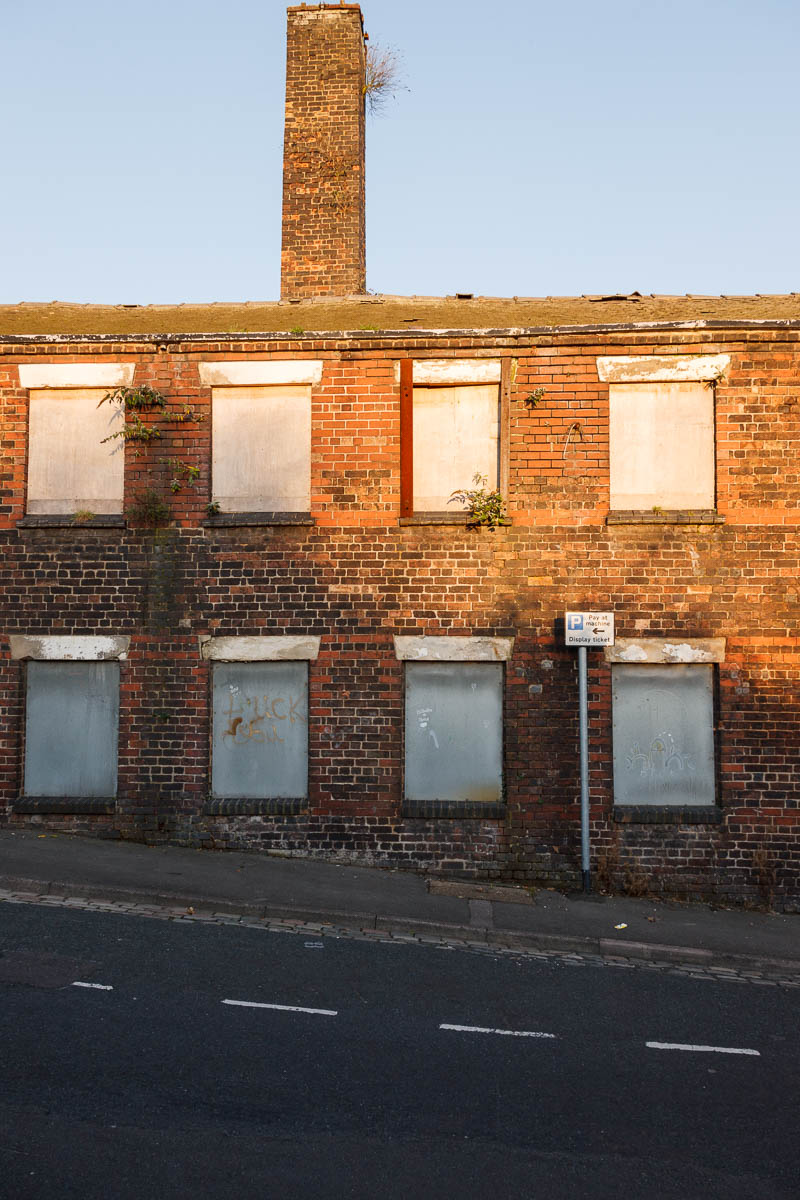
I began photographing Stoke’s abandoned potbanks and pottery works in 2011. I was drawn to the industrial buildings and how they were changing as the city moved beyond its pottery-making past. Rather than simply photographing the familiar shapes of the bottle kilns, I wanted to look more closely at the details that hinted at what had once taken place inside. Behind factory windows, ceramic moulds remain on display, while old machinery stands idle and broken pottery lies among discarded materials. Among these remnants, teapots, bowls and cups, once made by skilled workers for everyday use, offer a glimpse of an industry that played an important part in shaping the city’s identity.
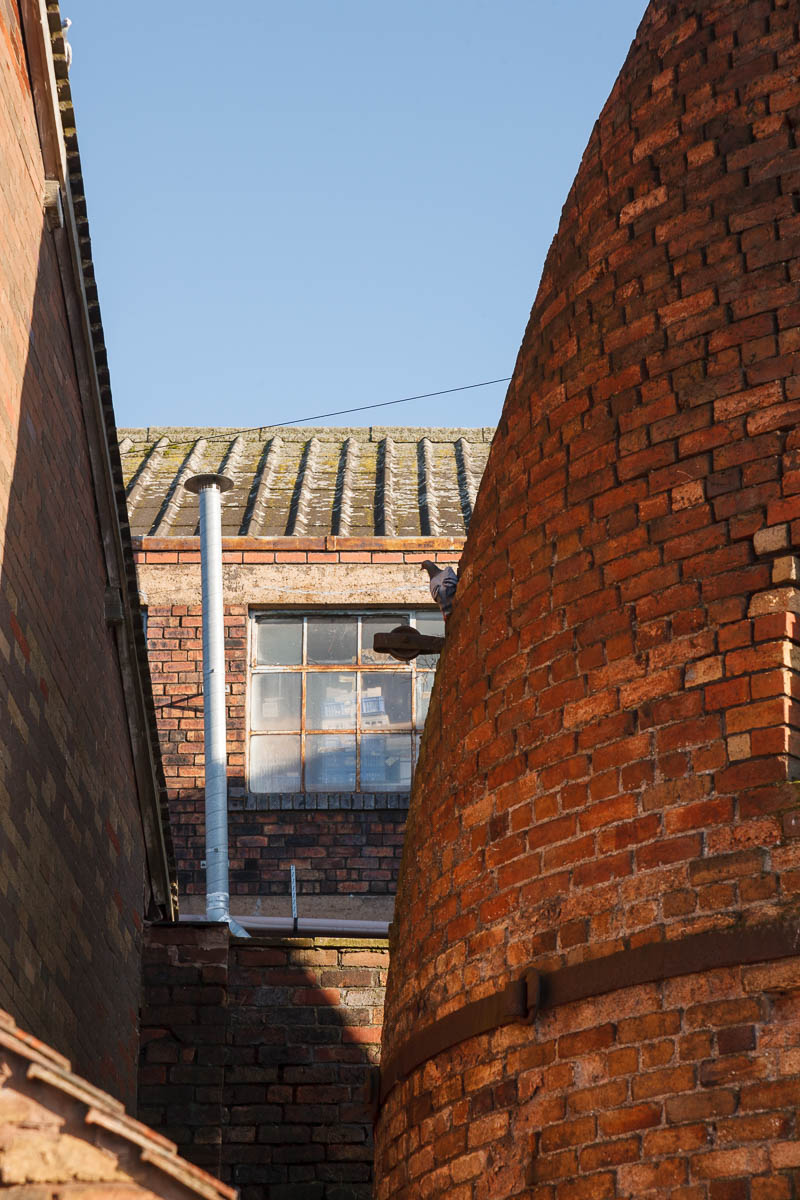
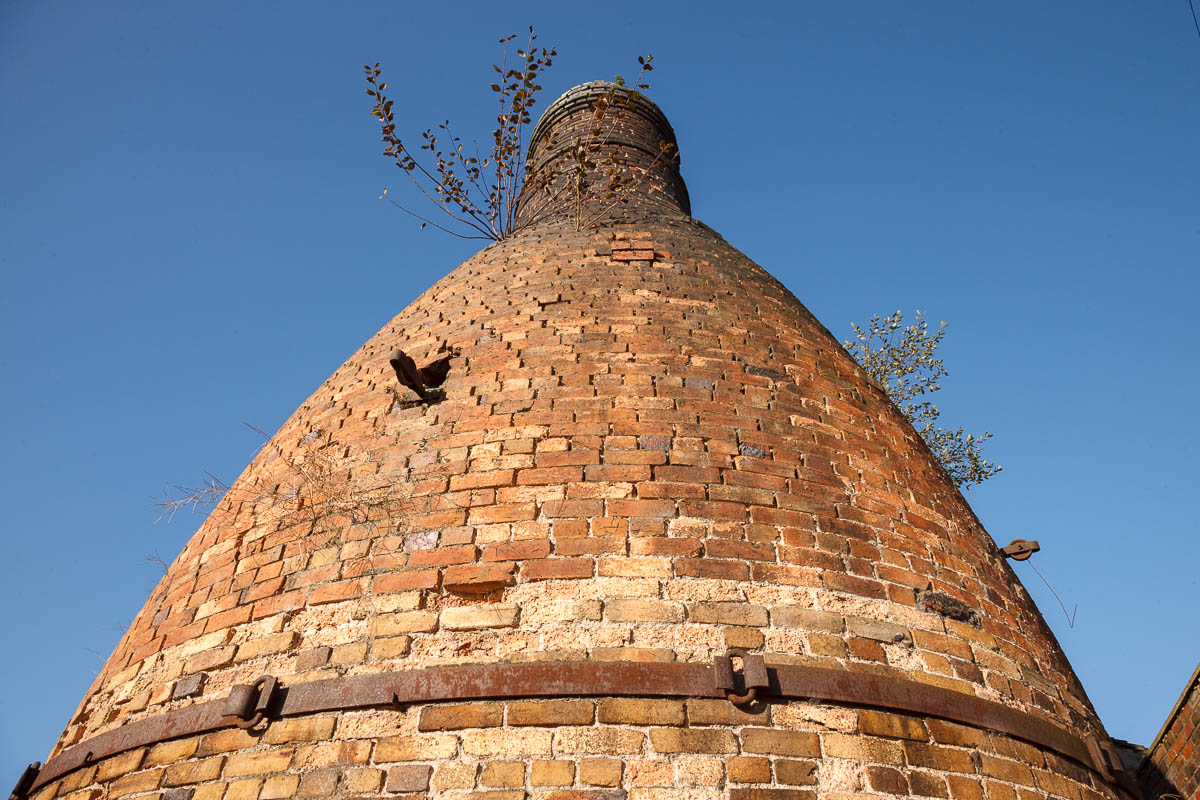
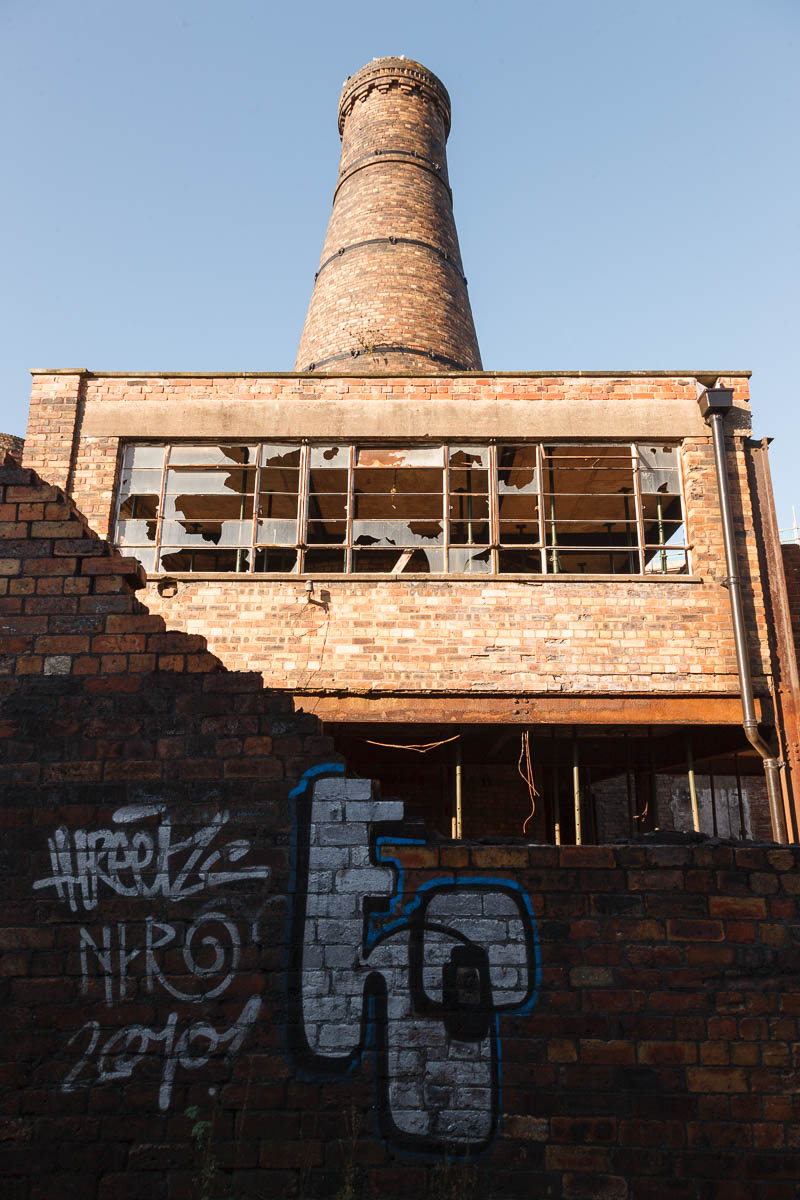
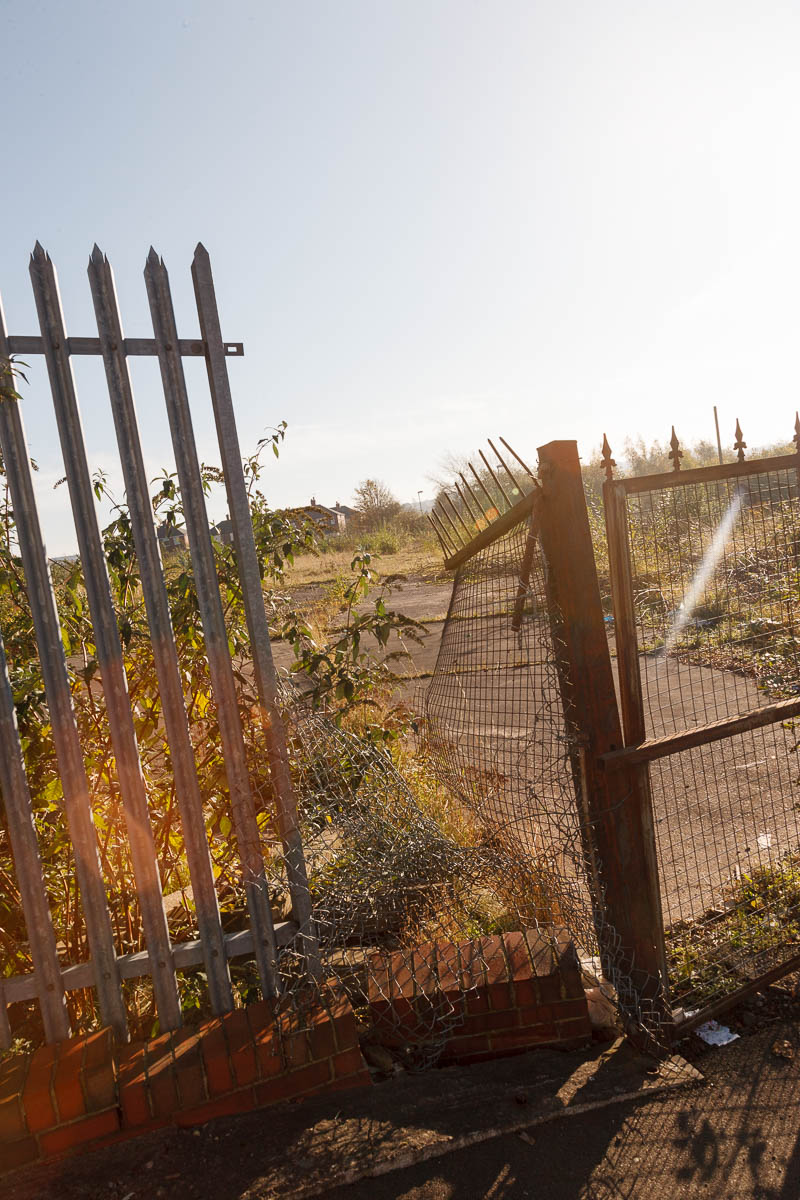
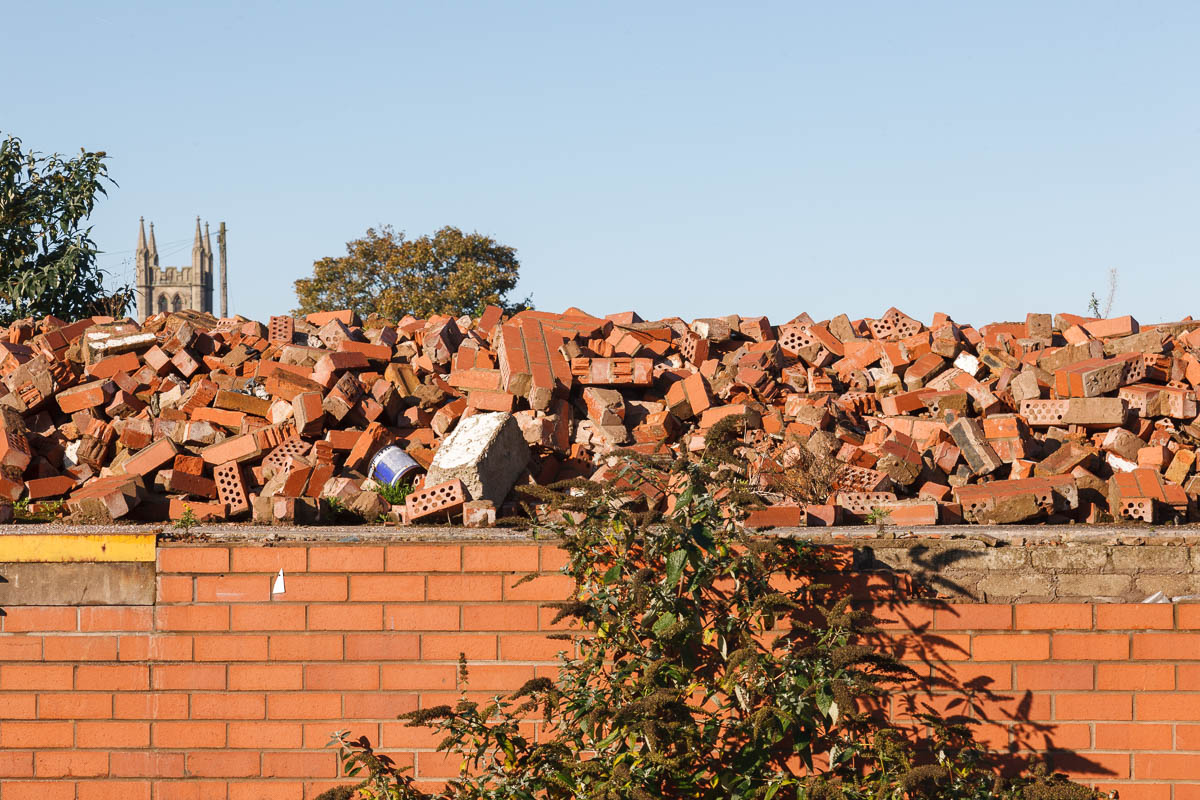
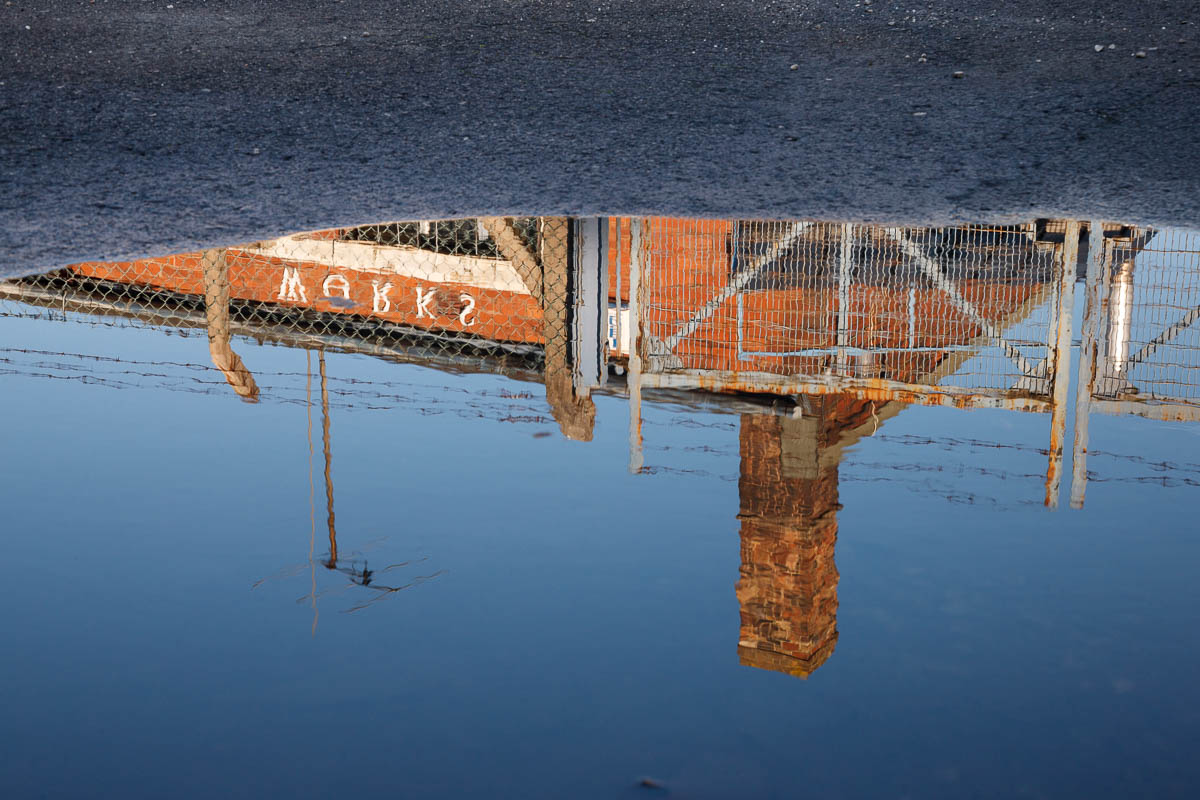
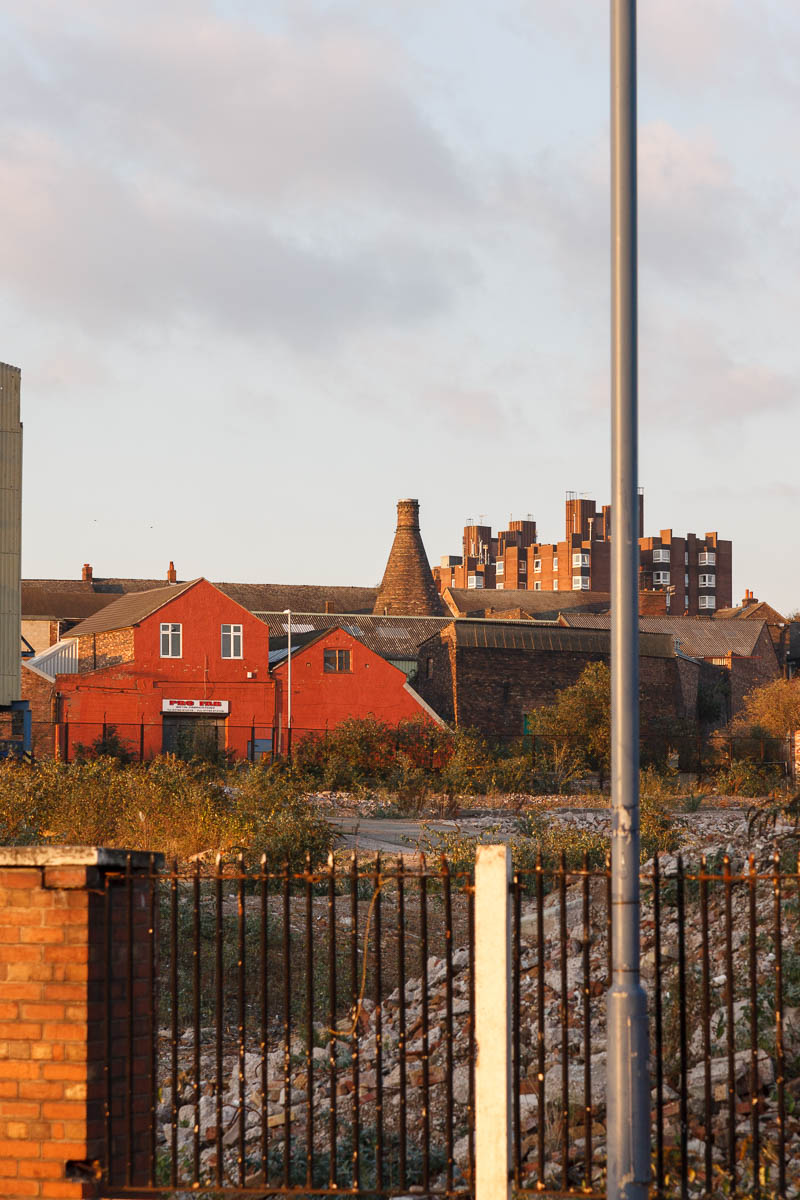
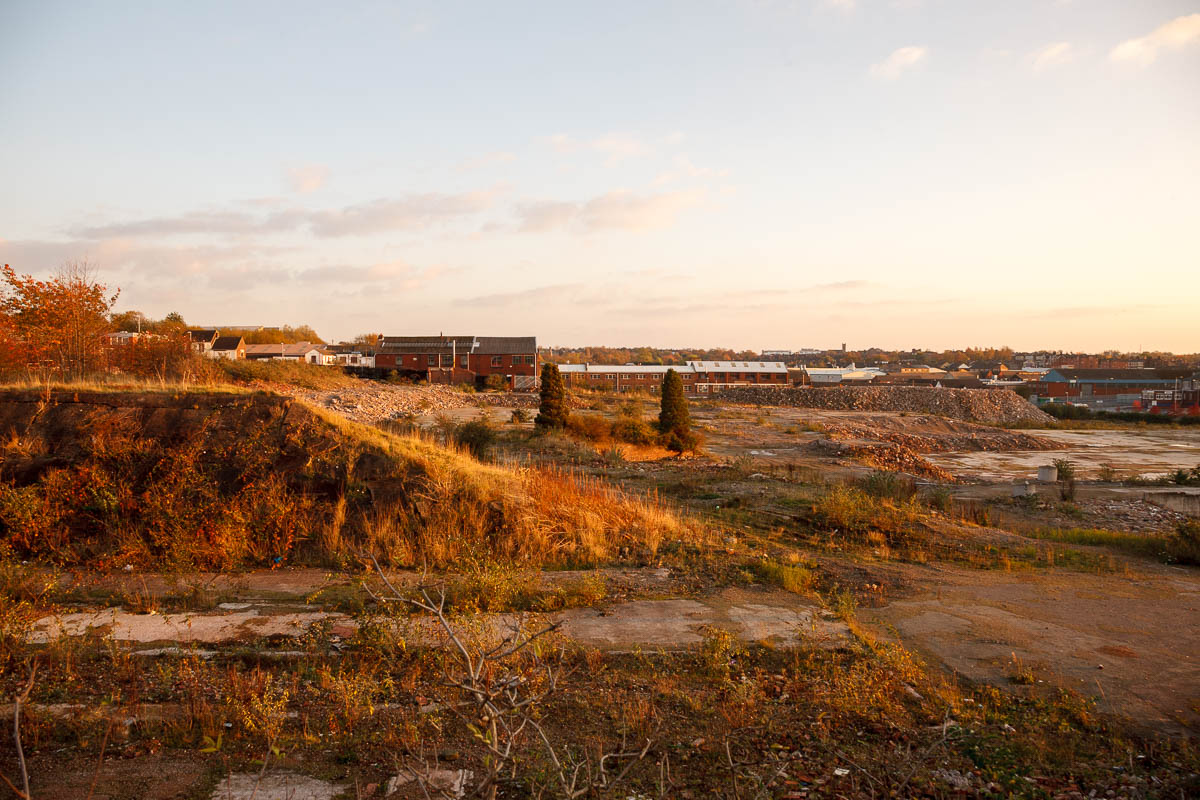
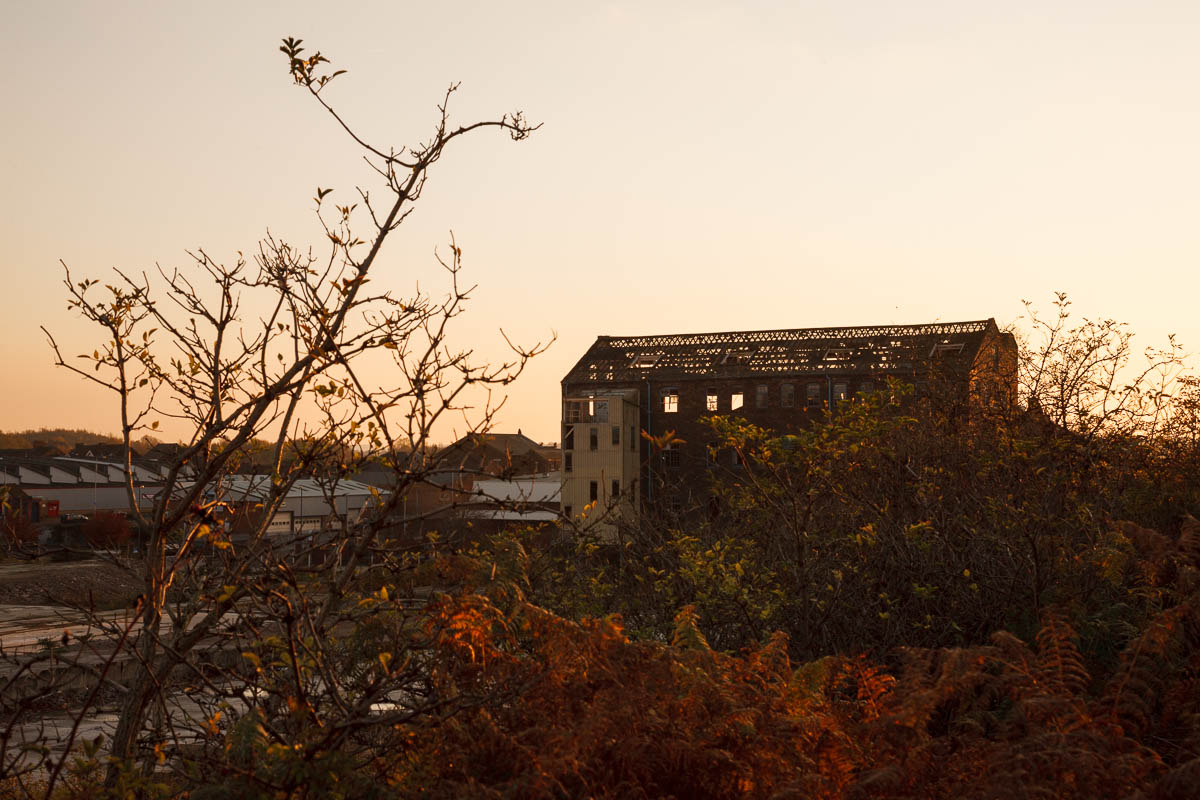
These photos bring together imposing factory buildings and smaller traces of industrial activity. Empty plots, twisted gates and piles of bricks suggest the gradual disappearance of former pottery works. Elsewhere, reflections in puddles, silhouetted trees and abandoned potbanks illuminated by evening light reveal unexpected visual relationships within the landscape. Former workers’ houses extend this perspective beyond the factory walls, connecting industrial production with the communities and everyday lives it once supported.
A Living Pottery Tradition
But Stoke’s pottery industry does not end with these abandoned buildings. Pottery production continues in Stoke-on-Trent, with manufacturers such as Moorcroft, Emma Bridgewater, Burleigh and many others keeping traditional skills alive while adapting to contemporary markets. The contrast between abandoned potbanks and active factories makes the landscape particularly compelling. The city’s industrial past lives on not only in its old buildings and discarded machinery, but also in the factories that continue to make pottery today.
Project Details
Location: Stoke-on-Trent, Staffordshire
Date: November 2011
Camera: Canon EOS-1Ds Mark III
Lens: EF24-105mm f/4L IS USM
Explore more of my street photography projects, featuring the people, places and candid moments that catch my eye.


