
Each winter, the Tenbury Mistletoe Festival transforms Tenbury Wells from a quiet market town into one of Worcestershire’s most distinctive seasonal celebrations. I photographed the event for the first time in December 2025.
This post uses those photos to explore what the festival reveals about the town itself. What I captured was a living tradition—rooted in folklore, sustained by participation, and shaped by the people who return year after year. Consequently, the Tenbury Mistletoe Festival isn’t just about an evergreen plant hung in doorways. It’s also about identity, continuity, and community life in a small English town.
Traditions at the Tenbury Mistletoe Festival
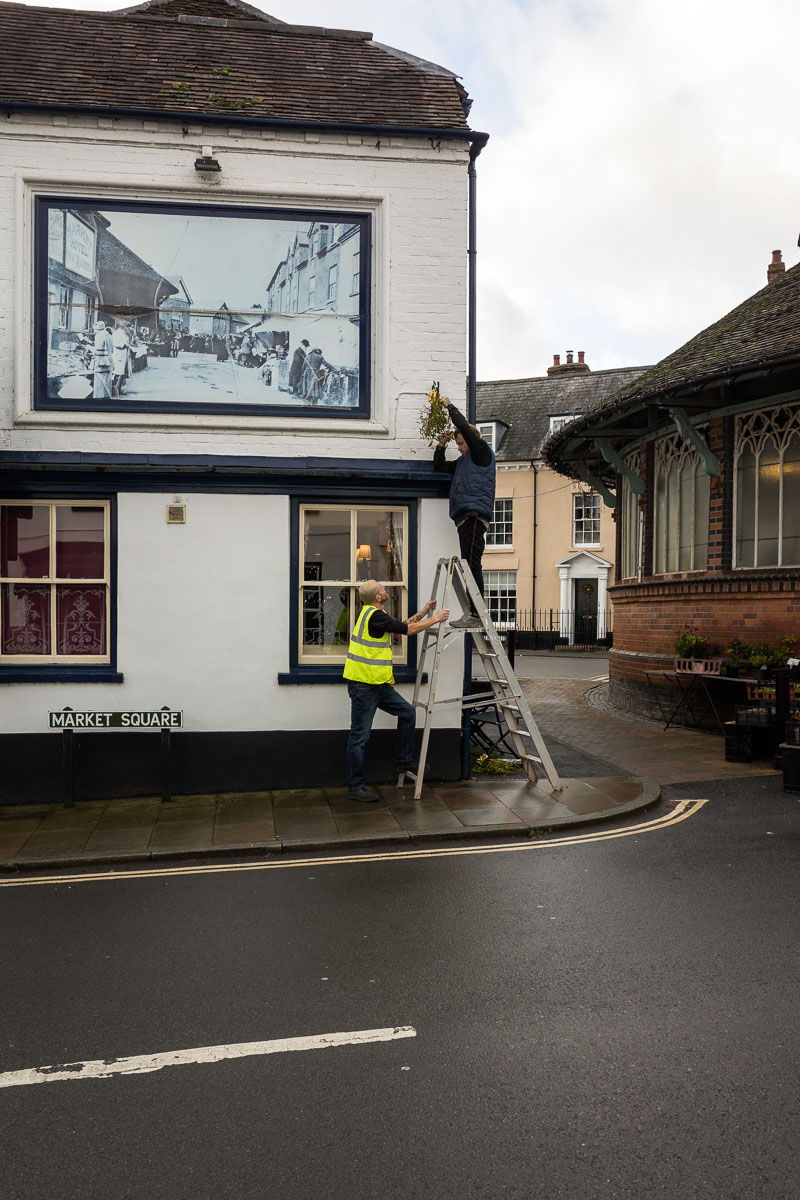
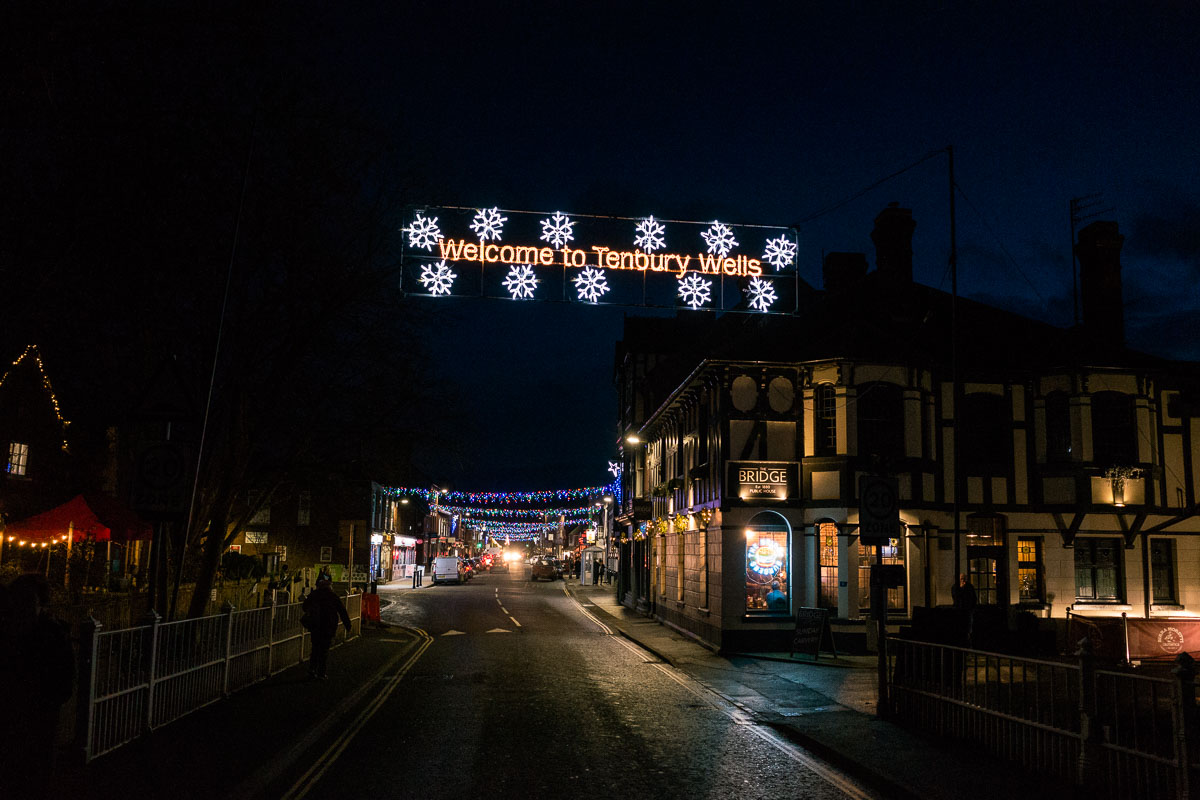
The first thing I notice is the mistletoe—more than 100 bunches strung along the high street. Each is lit before sunset, glowing softly as dusk falls over Tenbury’s row of independent shops, turning the town into a stage set for a winter tale.
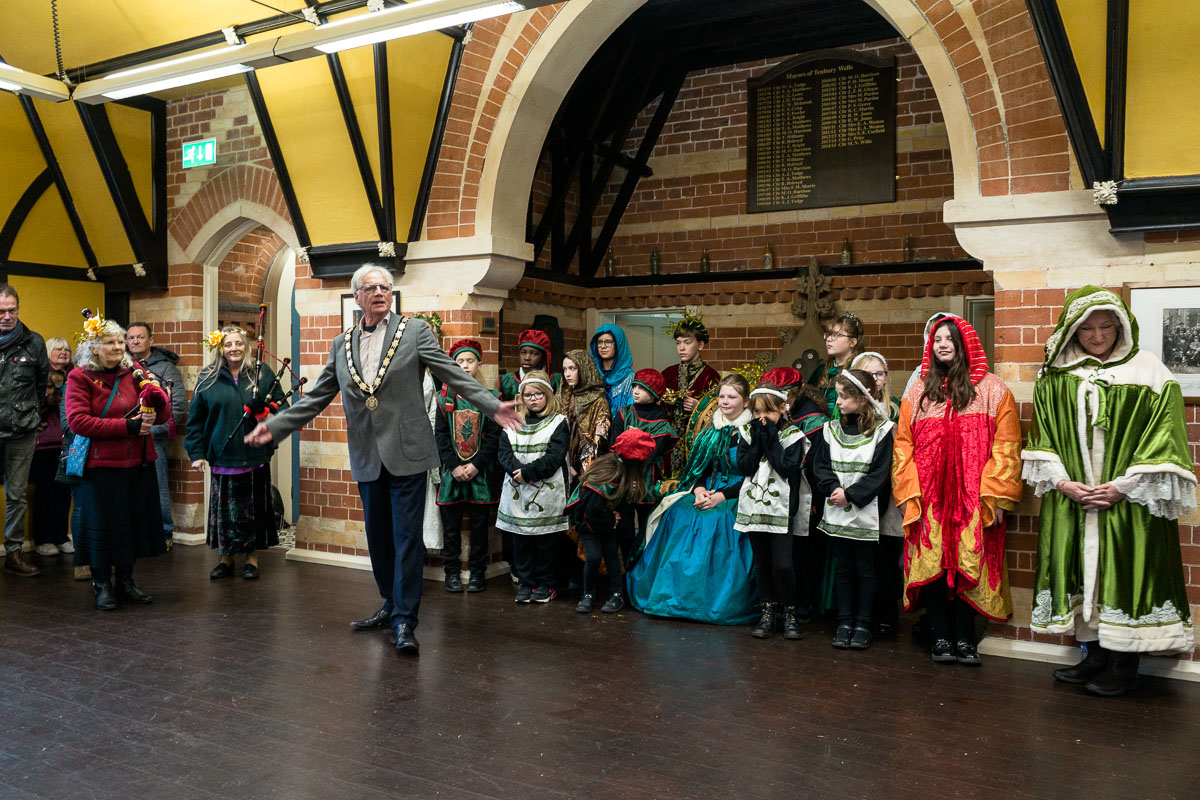
At noon, I step inside the historic Pump Rooms for the crowning of the Mistletoe Queen. Parents lean forward for a better view. Children stare wide-eyed, and the Prince places the crown carefully—like a character from a storybook. It’s ceremonial, slightly surreal, and deeply communal.
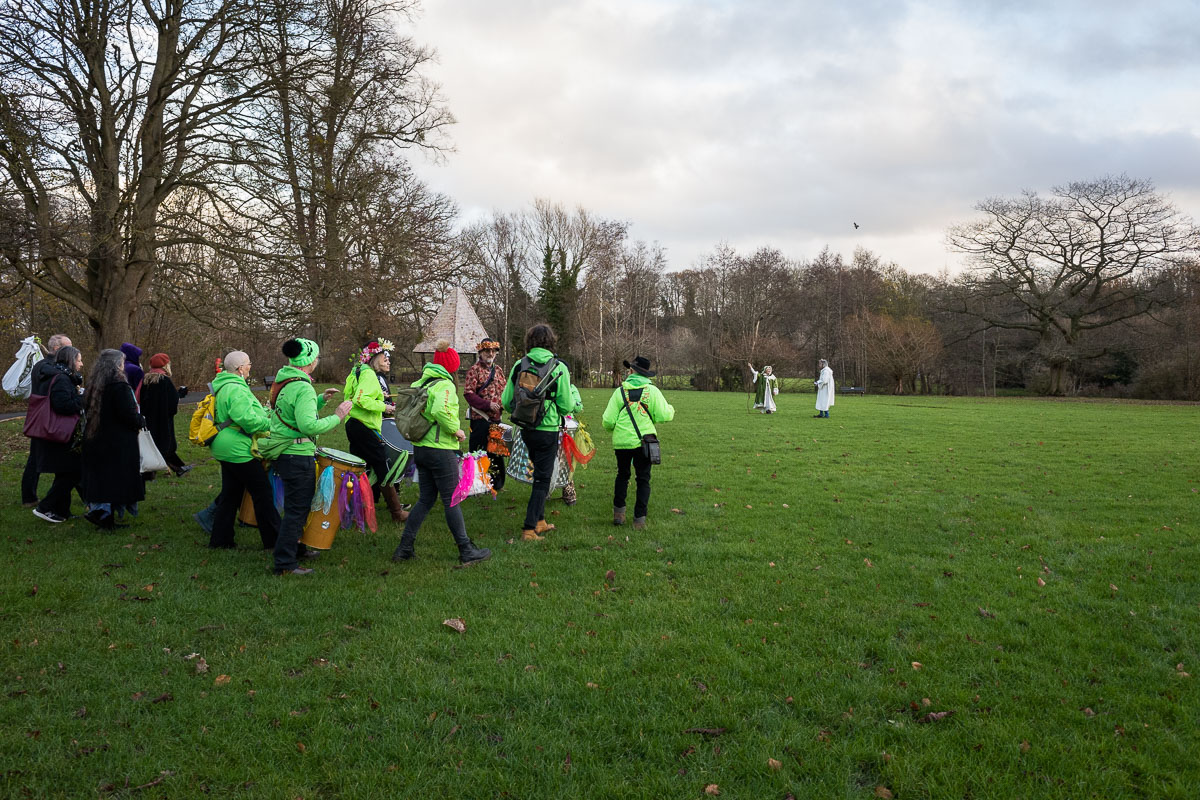
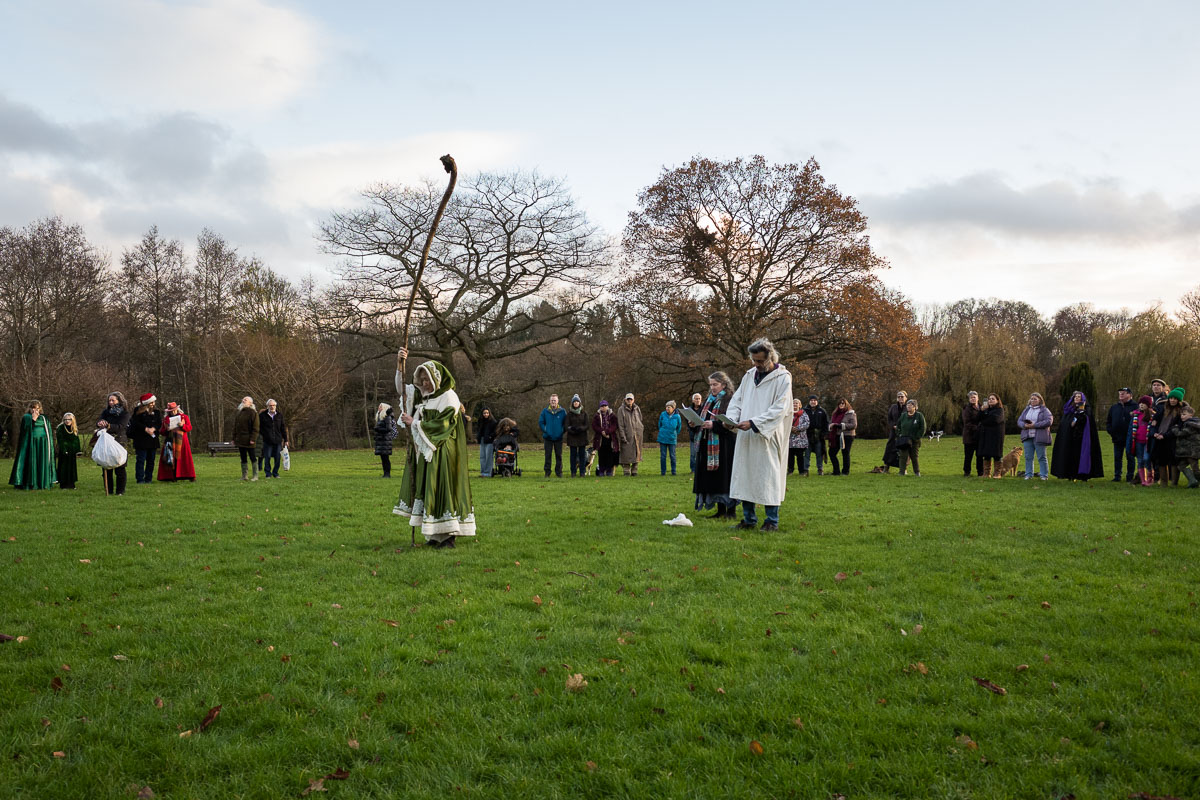
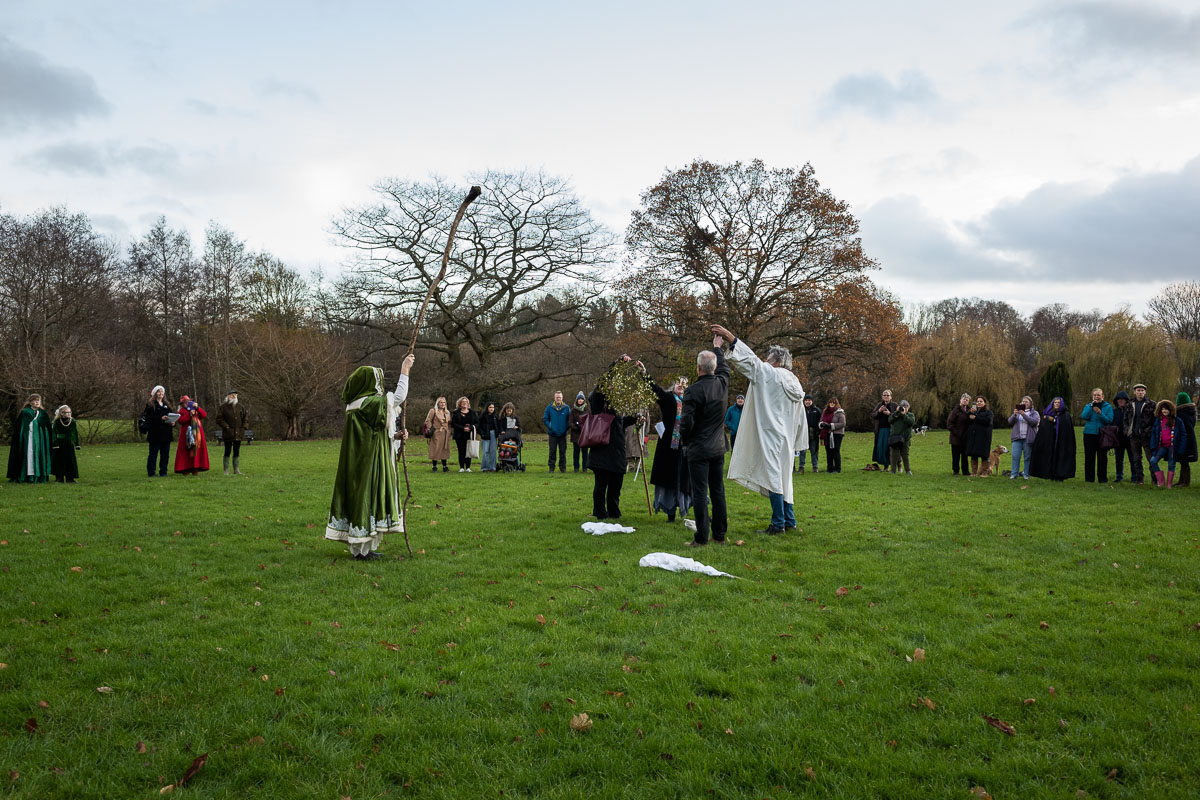
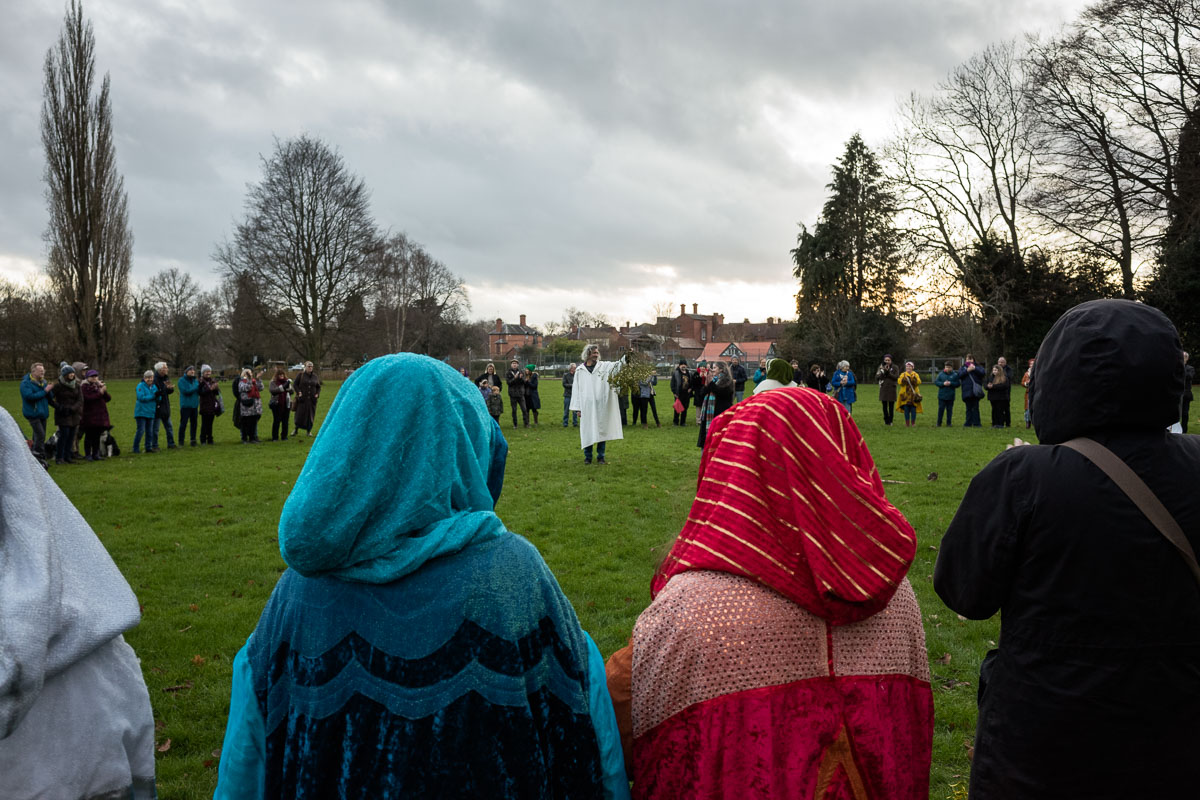
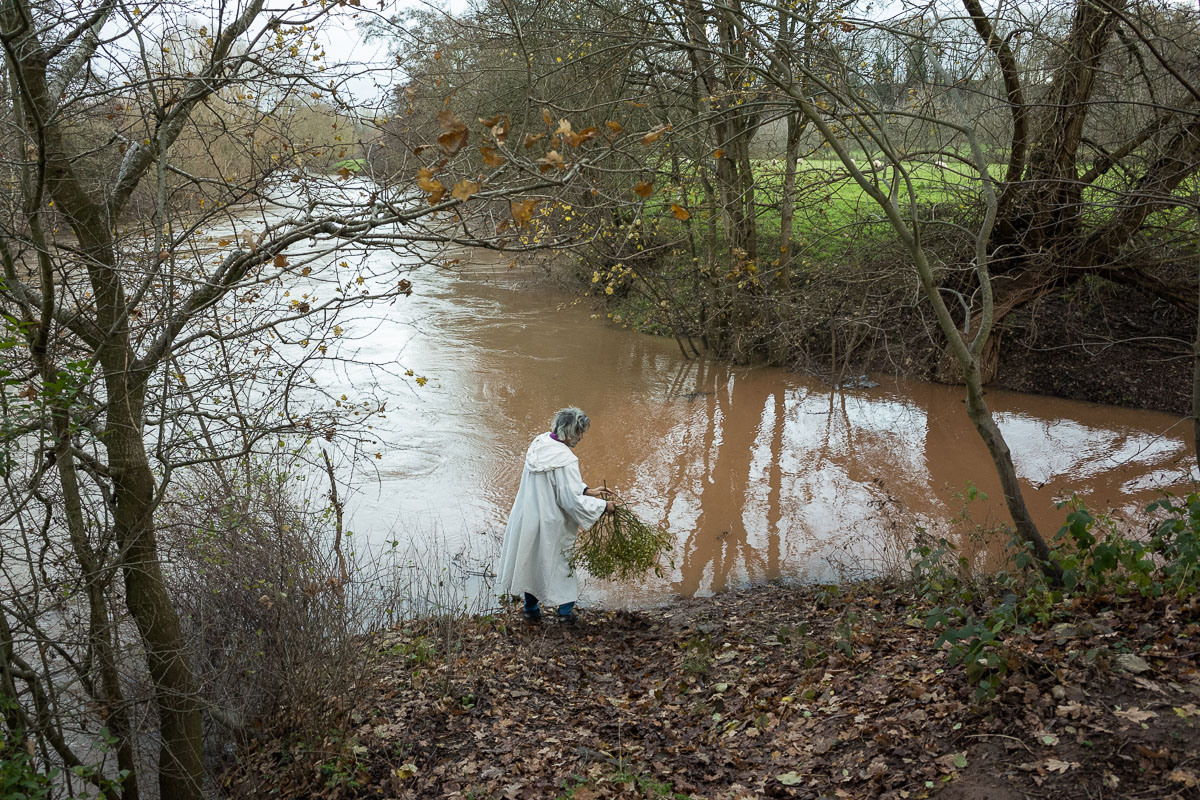
Later, on The Burgage, the Druid ceremony unfolds in the open air. The blessing of the mistletoe—part of a ritual that predates Christianity—draws a large crowd. Conversations pause. Faces turn. A hush settles over the gathering.
These scenes show that traditions endure not simply because they’re old, but because people still care enough to invest meaning in them.
Tenbury Mistletoe Festival Brings People Together
Photographing the festival, I’m struck by how it embodies what psychologists call social connectedness—the sense of belonging with others.
Research suggests that strong social connections enhance both mental and physical well-being. Face-to-face interactions, shared rituals, and a sense of collective identity all buffer against loneliness—especially during the darker winter months.
I see this in the photos.
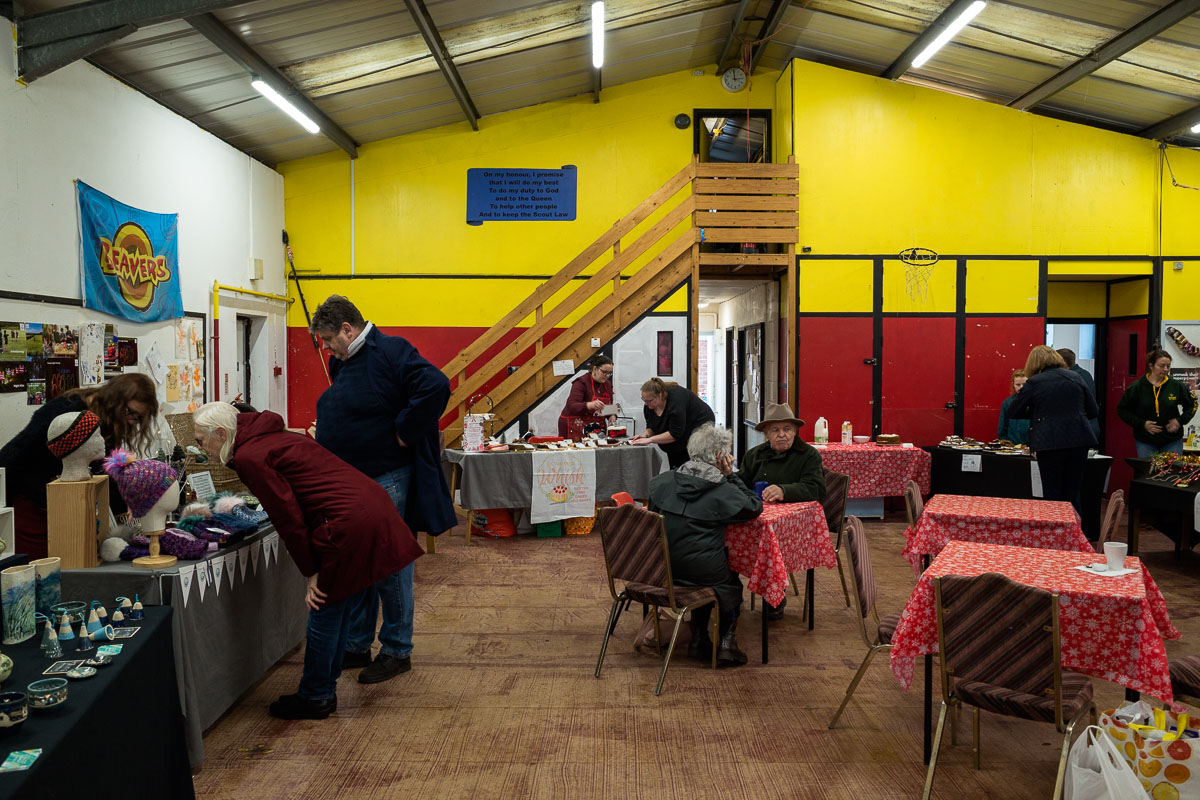
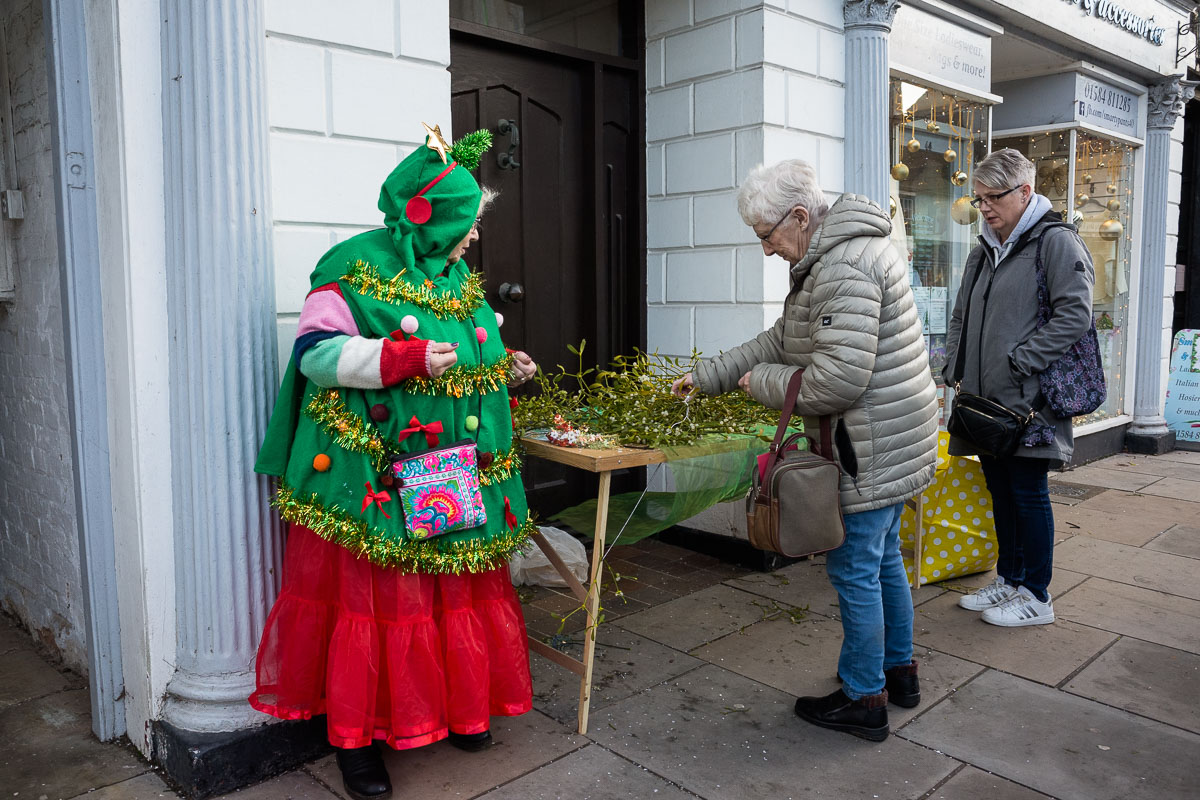
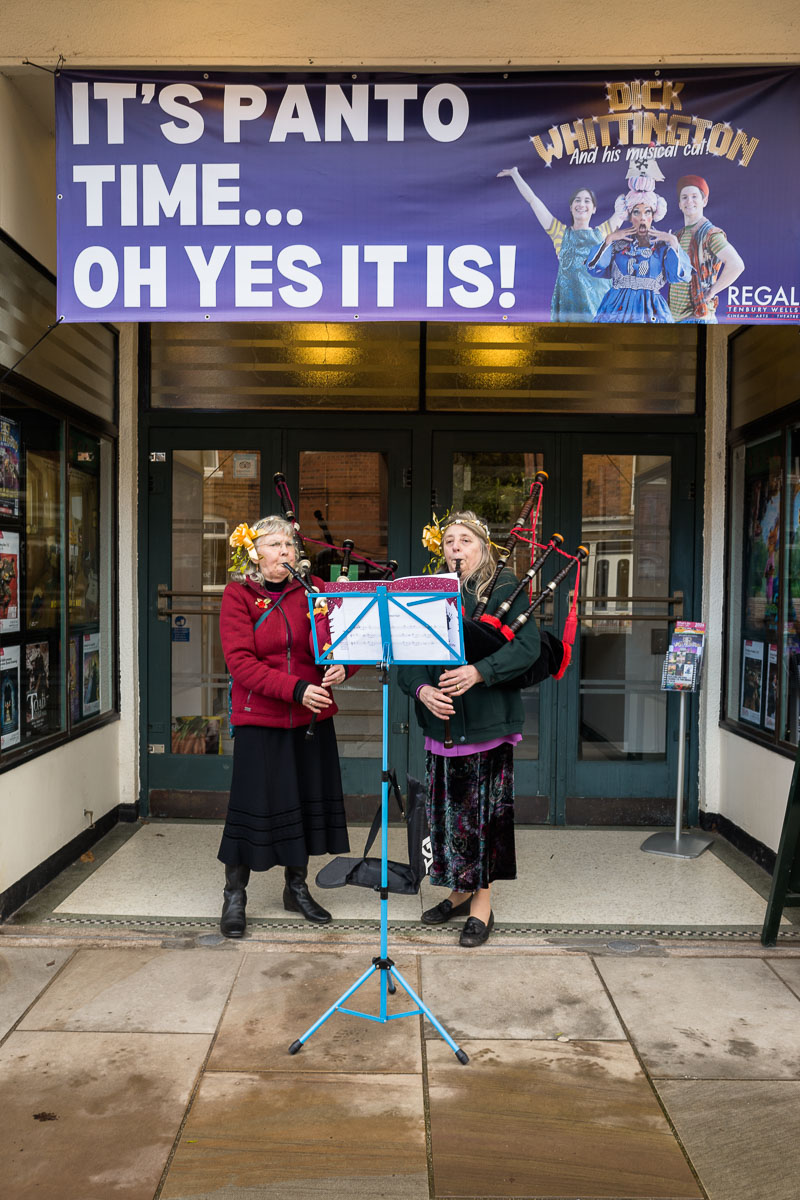
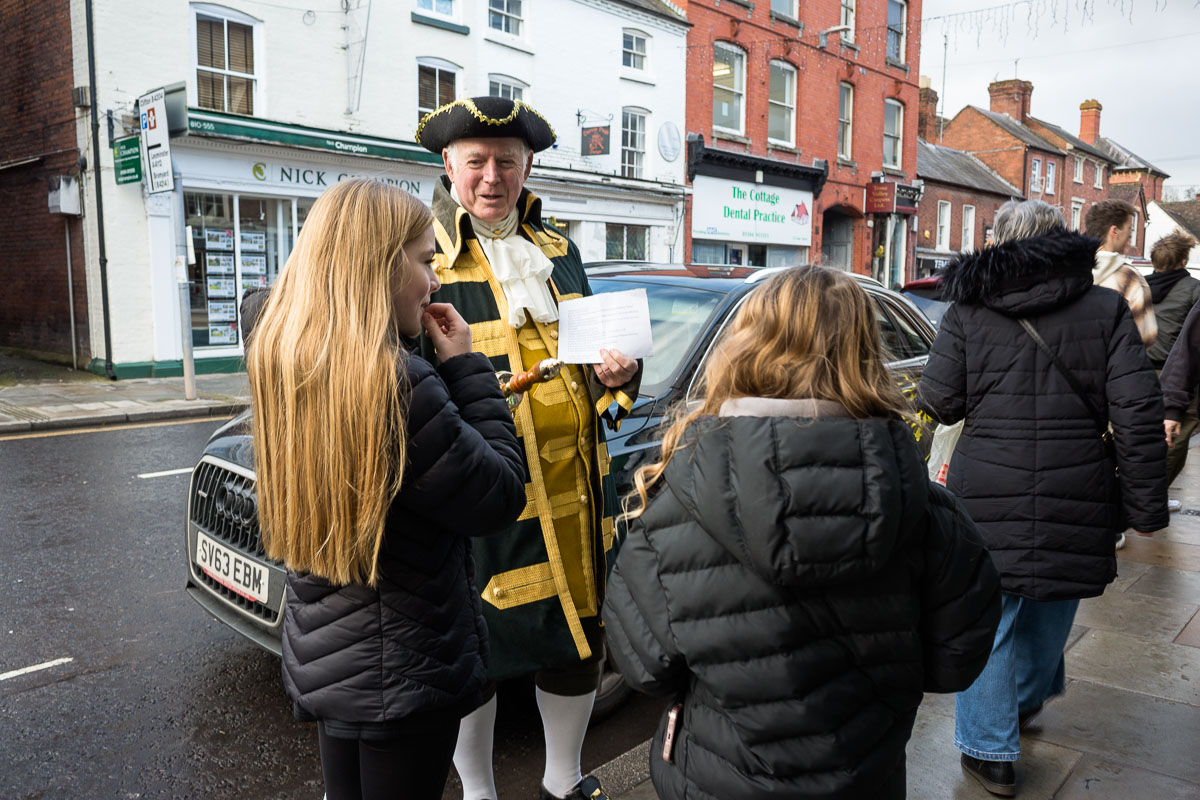
For example, a woman dressed as a Christmas tree sells mistletoe to familiar faces. Two women play the bagpipes outside the Regal Cinema, drawing smiles from passers-by. The town crier chats with children. And neighbours greet one another by name at the market stalls.
These ordinary moments matter. But psychologically, they are significant. They reinforce belonging.
In a world where much of our social life takes place online, the Tenbury Mistletoe Festival serves as a communal anchor, providing a space for people to meet, talk, and feel connected.
The History of Tenbury’s Mistletoe Auctions
Tenbury’s connection to mistletoe stretches back over a century. Once one of several towns hosting winter mistletoe markets across Herefordshire and Worcestershire, Tenbury Wells is now the only town in the area still holding mistletoe auctions.
This tradition isn’t nostalgia—it’s continuity. The festival shows a community choosing to carry forward its customs.
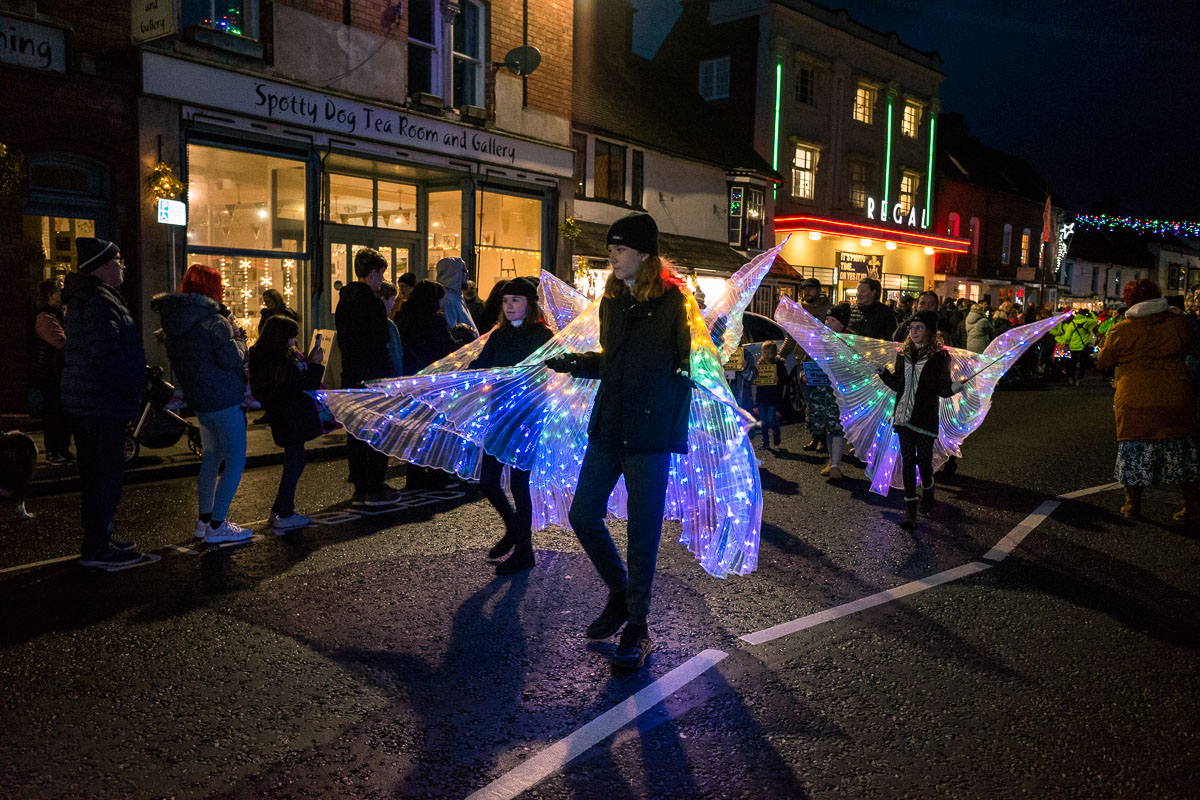
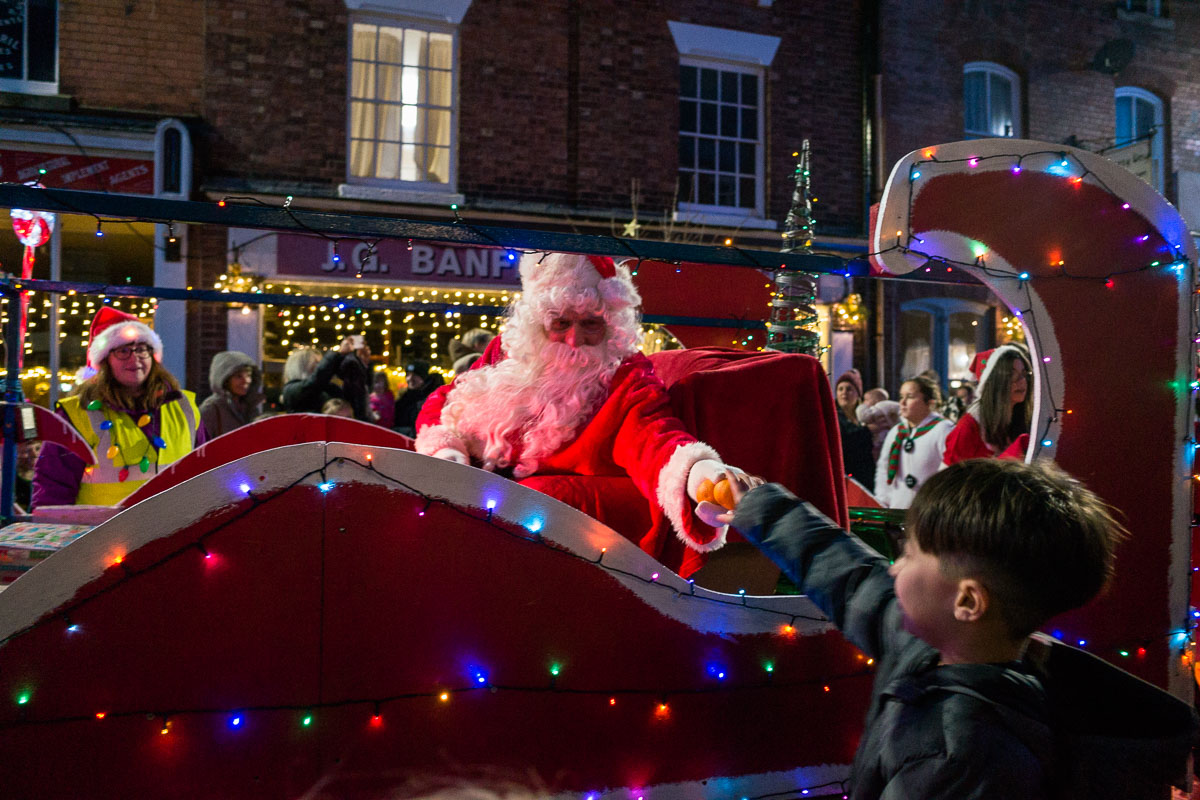
I also see ancient rituals and modern festivity existing side by side. The Druid blessing sits alongside the Santa Parade, which later crosses Teme Bridge in joyful chaos. Toddlers wave. Parents cheer. Elves wobble in oversized hats. And Santa hands out oranges.
That coexistence is part of what gives the festival its strength. Traditions survive when they adapt without losing their essence.
Why Photos of Tenbury Mistletoe Festival Matter
The Tenbury Mistletoe Festival does more than mark the start of winter in Worcestershire. It strengthens identity.
Through lights, rituals, music, markets, and shared participation, the town actively sustains its sense of self. Here, community matters because people make it matter.
On the first Saturday in December, Tenbury Wells gathers not simply to celebrate mistletoe, but to affirm something more enduring: that belonging, connection, and continuity still matter.
Thank you for looking.