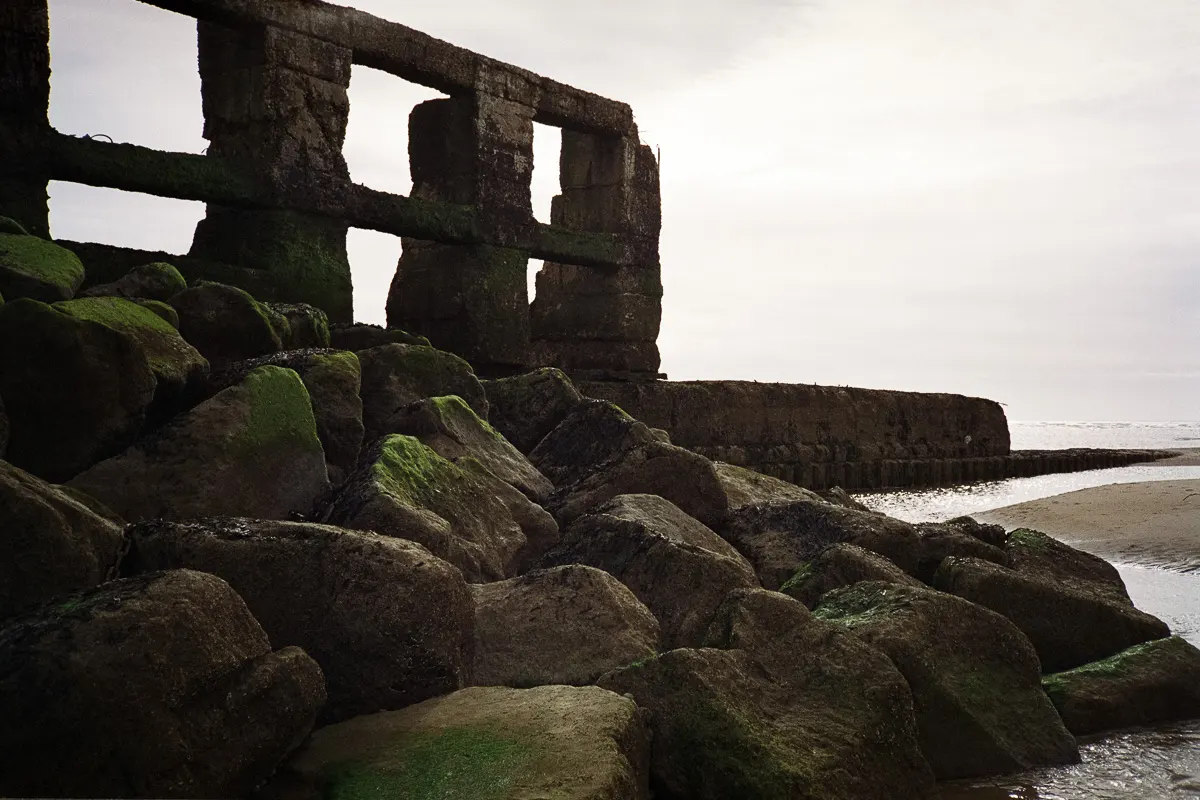
At first glance, Rye Harbour seems like there’s very little to photograph. The landscape is exposed, with a shingle beach, marshes, sea defences and wide skies stretching towards the horizon.
But I like places like this. They make you slow down.
I went to Rye Harbour with two rolls of expired colour film and a simple challenge: to find photographs in a landscape that seemed to offer very little. I wanted to see what would happen if I focused on things that are easy to overlook.
The Walk at Rye Harbour
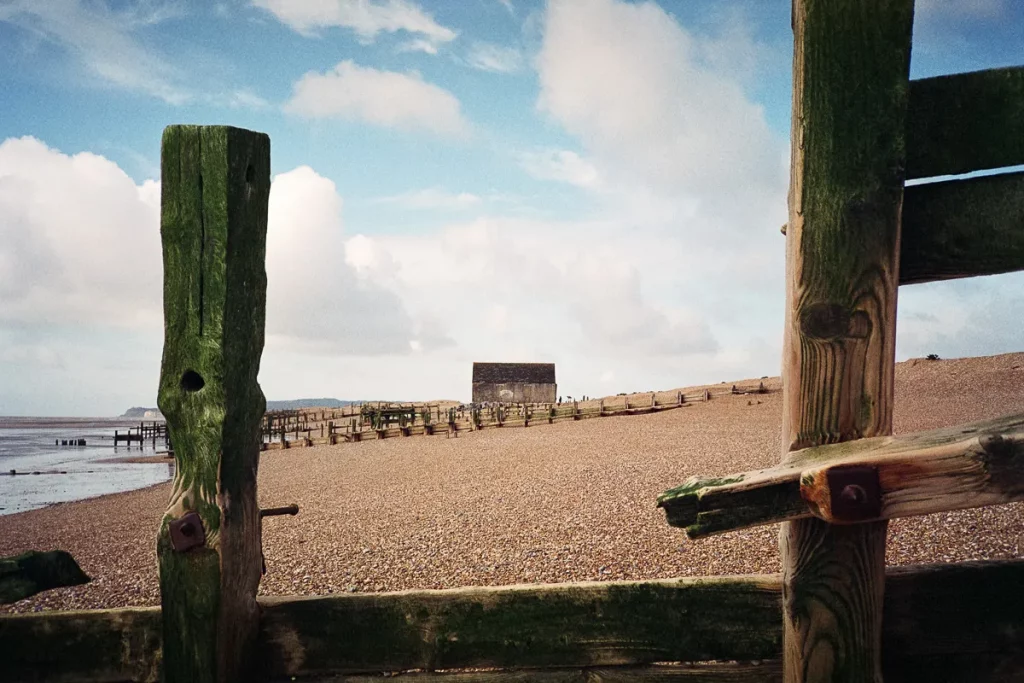
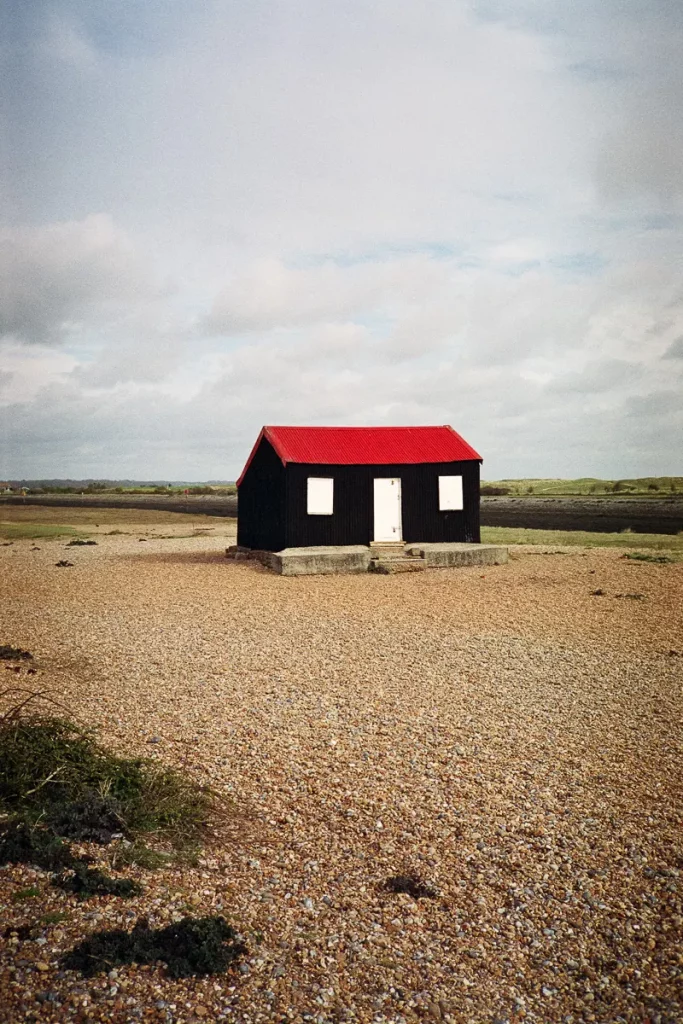
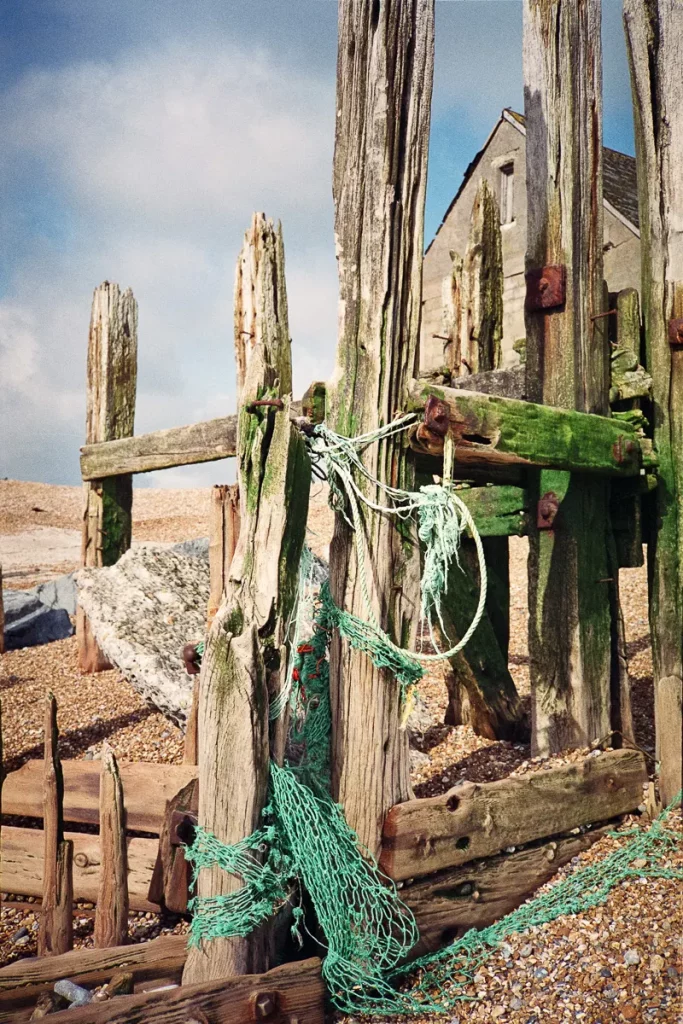
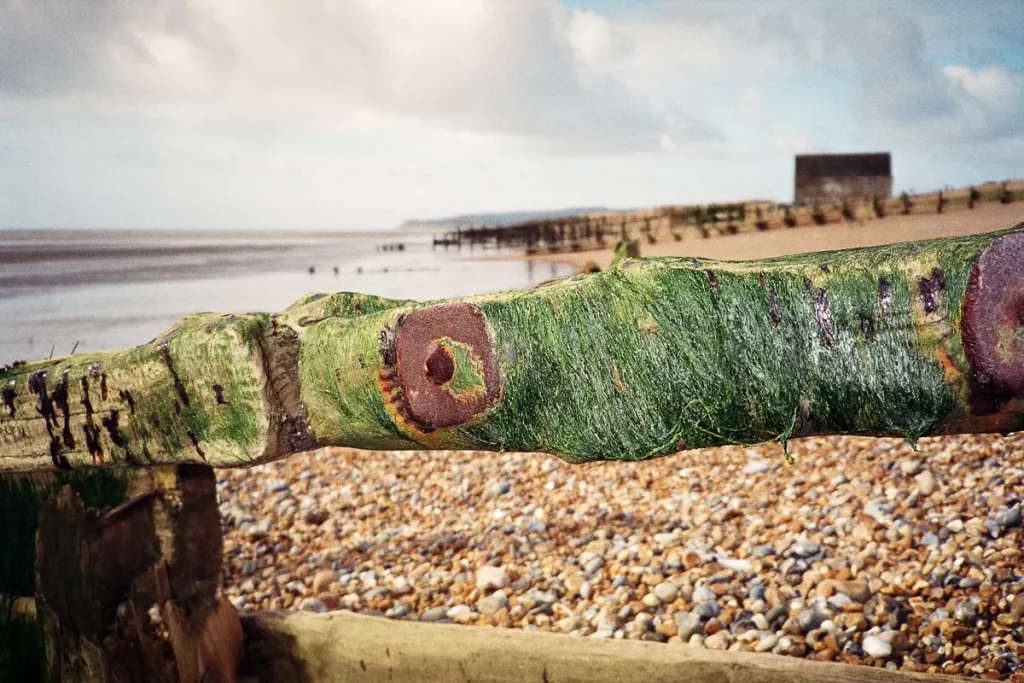
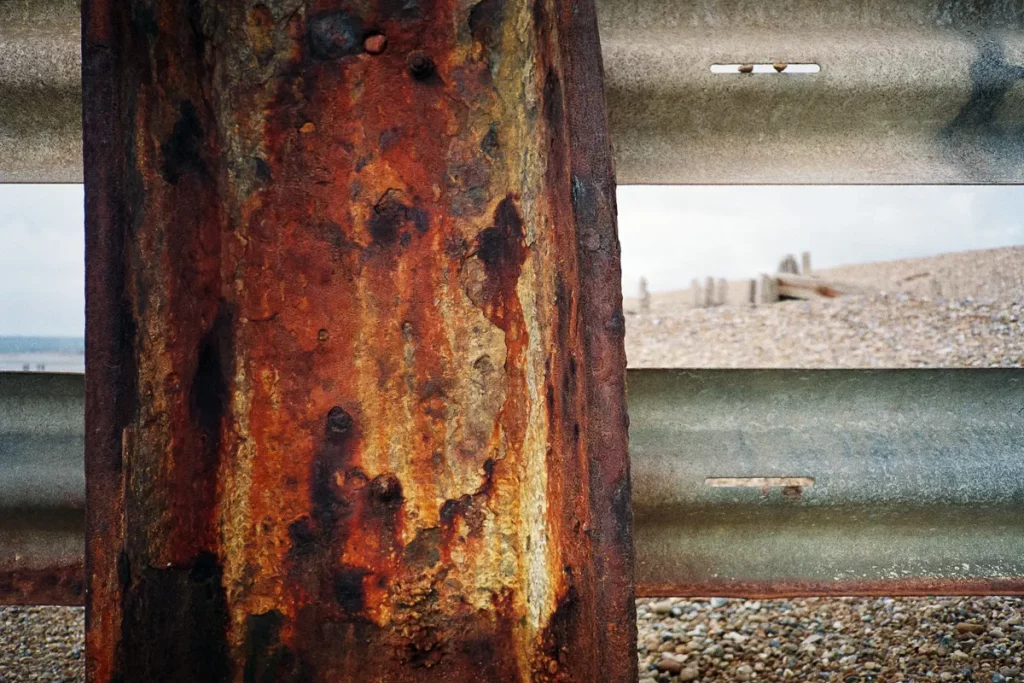
I followed the coastal path from Rye Harbour car park towards the beach. The further I walked, the more I noticed: the colour of a weathered fishing hut, the texture of timber, rusting bolts, peeling paint and the marks left by the sea.
The landscape became less about the view and more about what was within it.
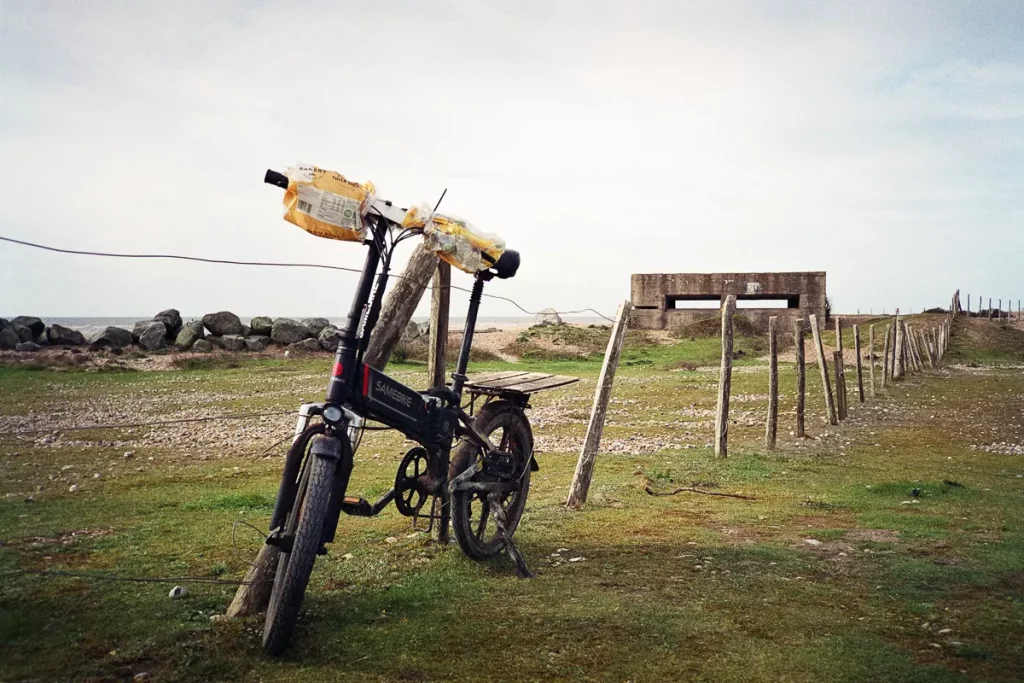
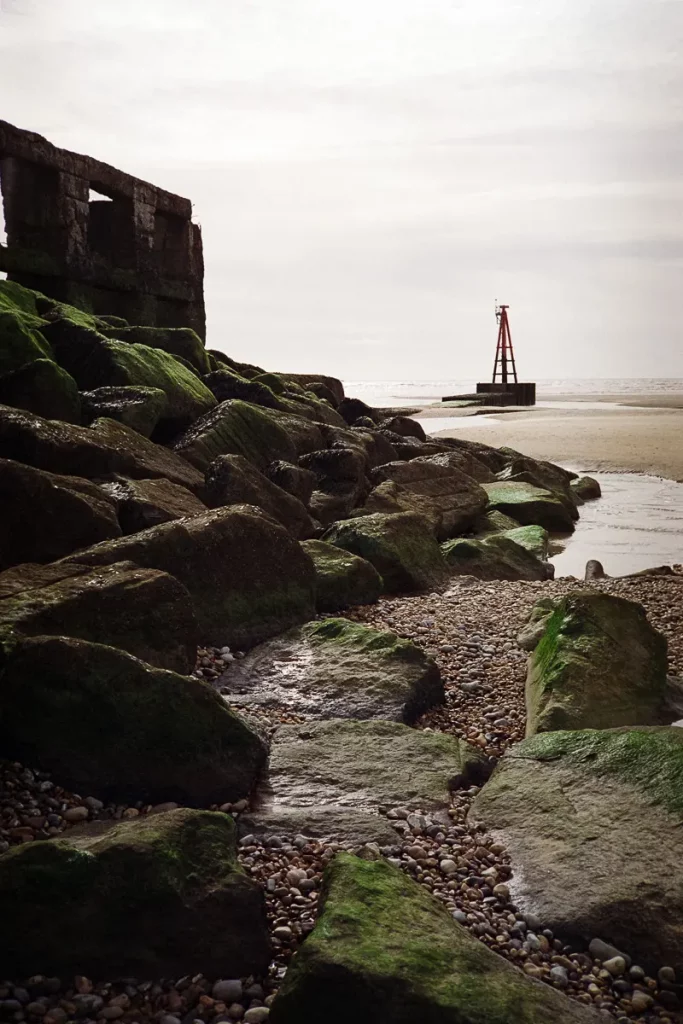
A red-roofed fishing hut stood beside an old Second World War pillbox. Towards the coast, a lighthouse marked where the River Rother meets the sea, with Camber Sands and Dungeness visible across the water.
I photographed some of the wider views, but I kept finding myself drawn towards the smaller things.
Looking Closely
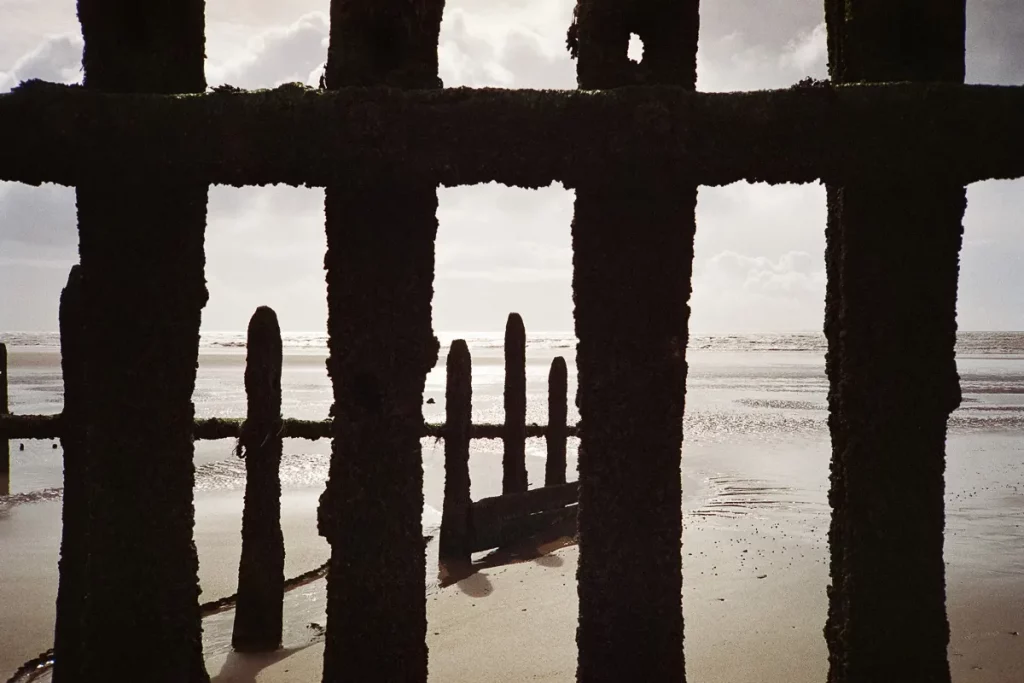
The sea defences became one of my favourite subjects.
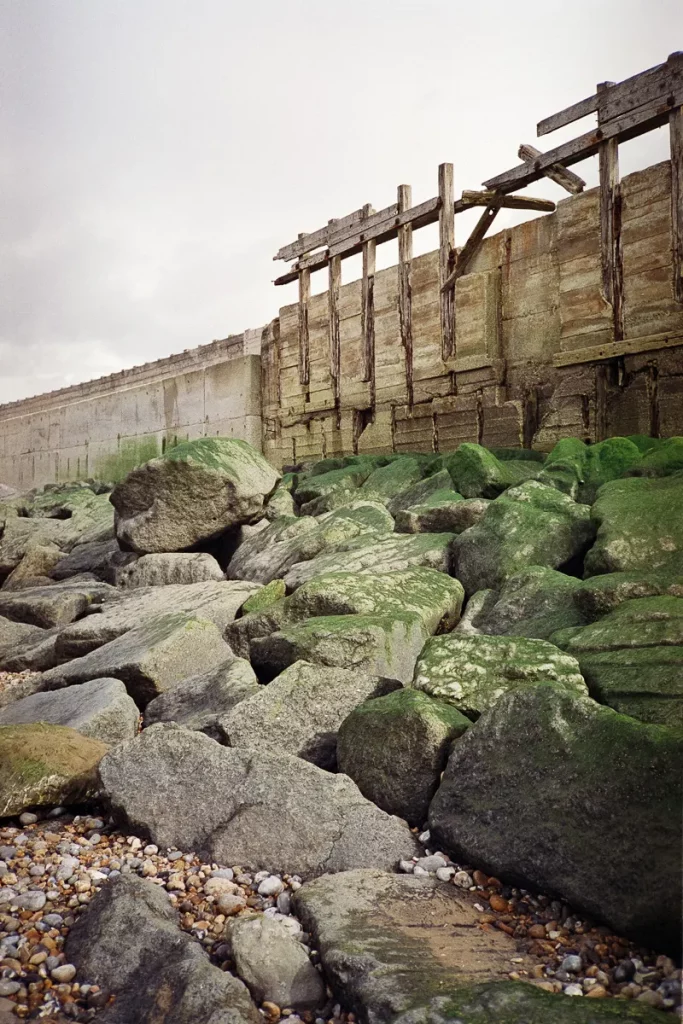
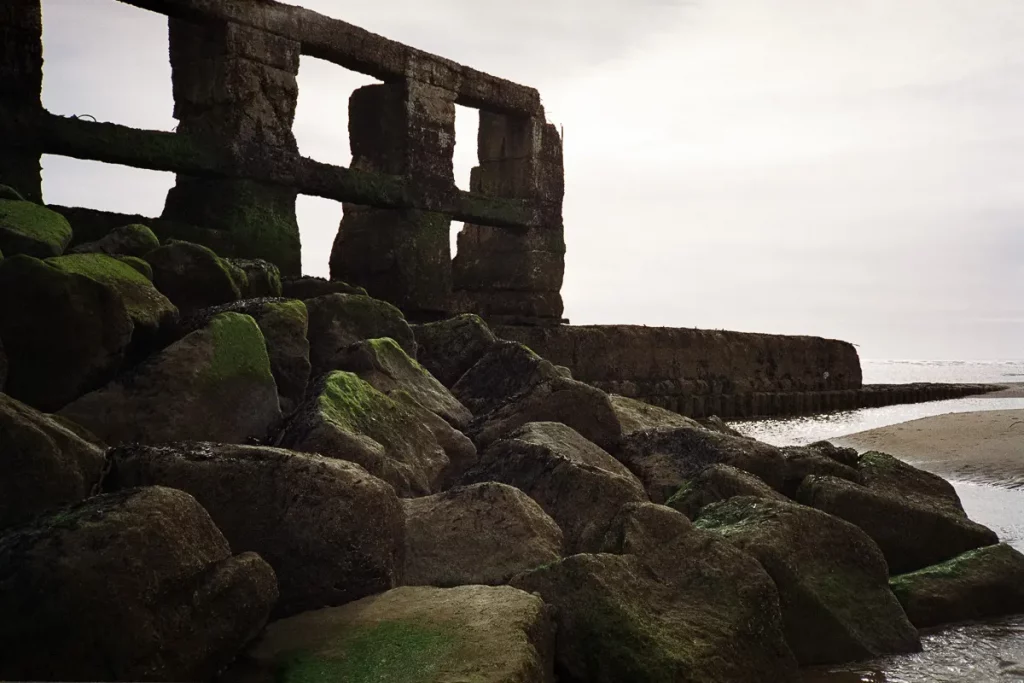
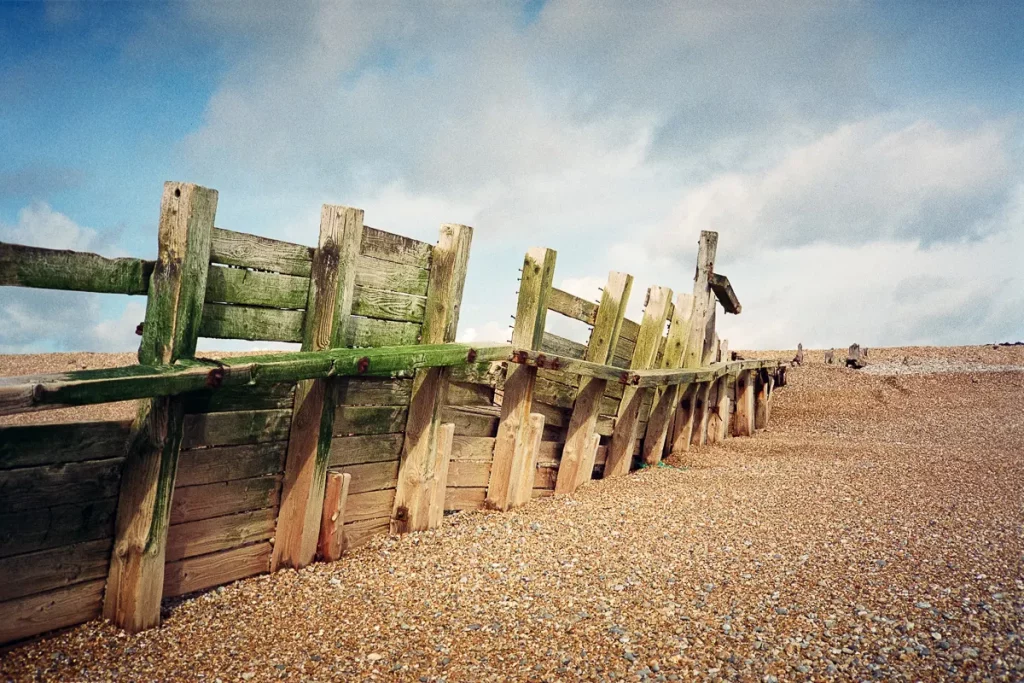
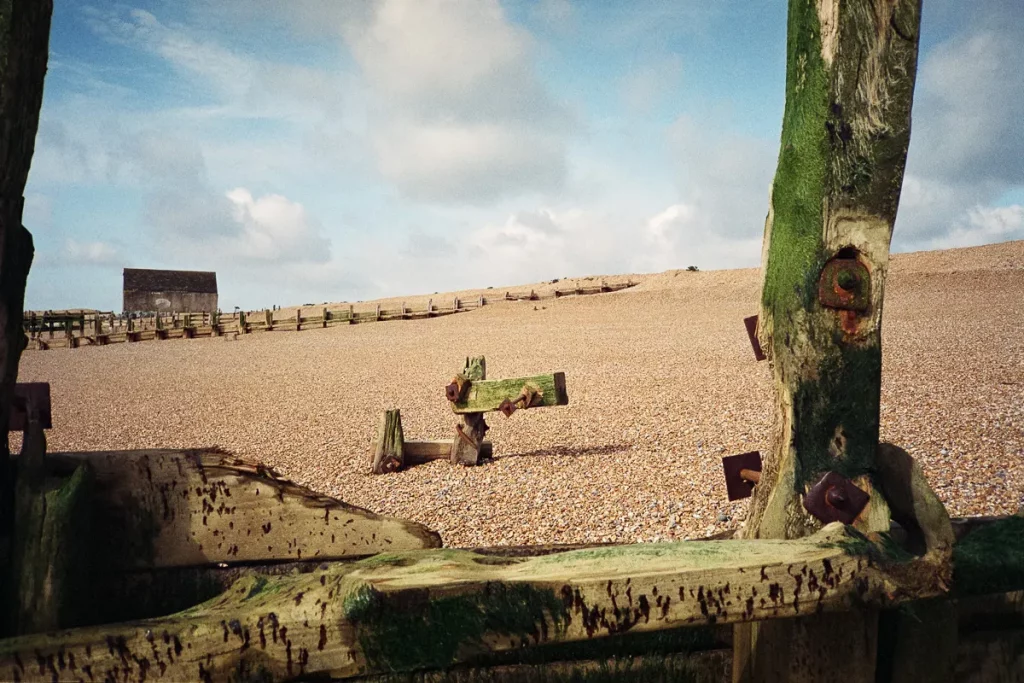
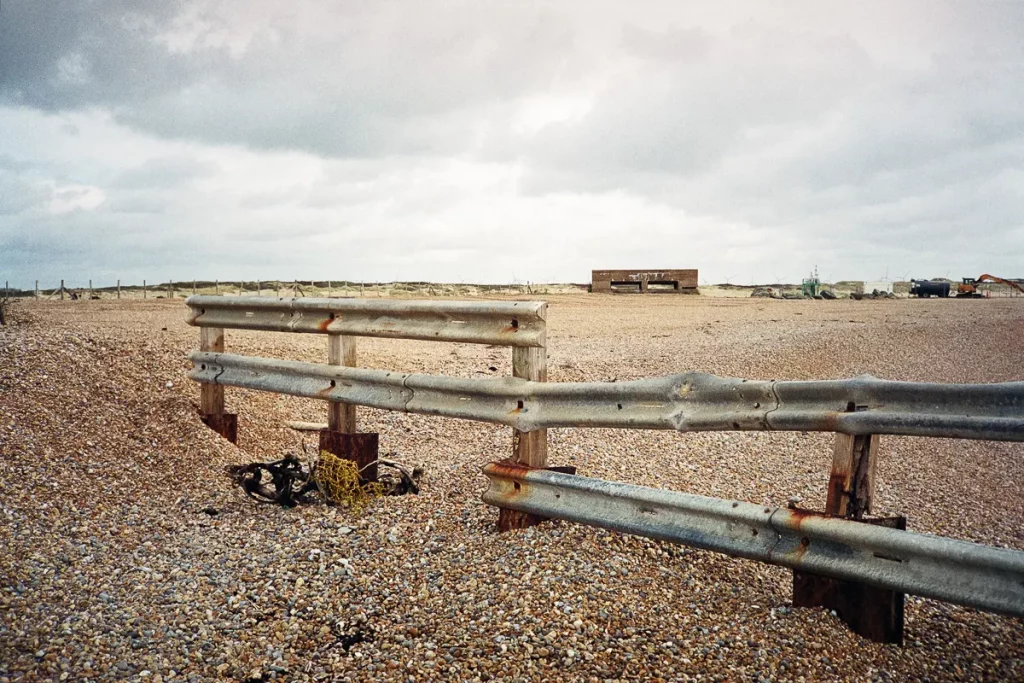
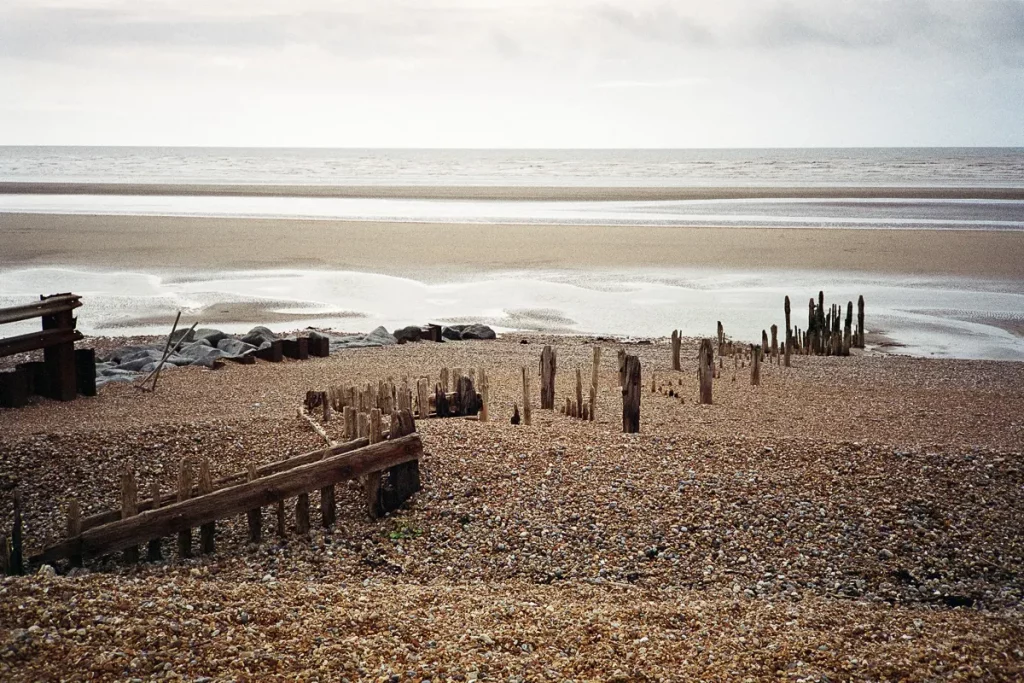
Timber groynes, concrete blocks and rusting metal have been exposed to decades of wind and seawater. As a result, algae has gathered on the surfaces. Wood has darkened and cracked. Bolts have rusted. Concrete has broken away.
The longer I looked, the more I found.
For instance, a broken groyne resembled a dog. Another looked like a miniature Stonehenge. It made me realise that photography isn’t simply about snapping what’s in front of you. It changes how you look at things.
The camera gave me a reason to stop.
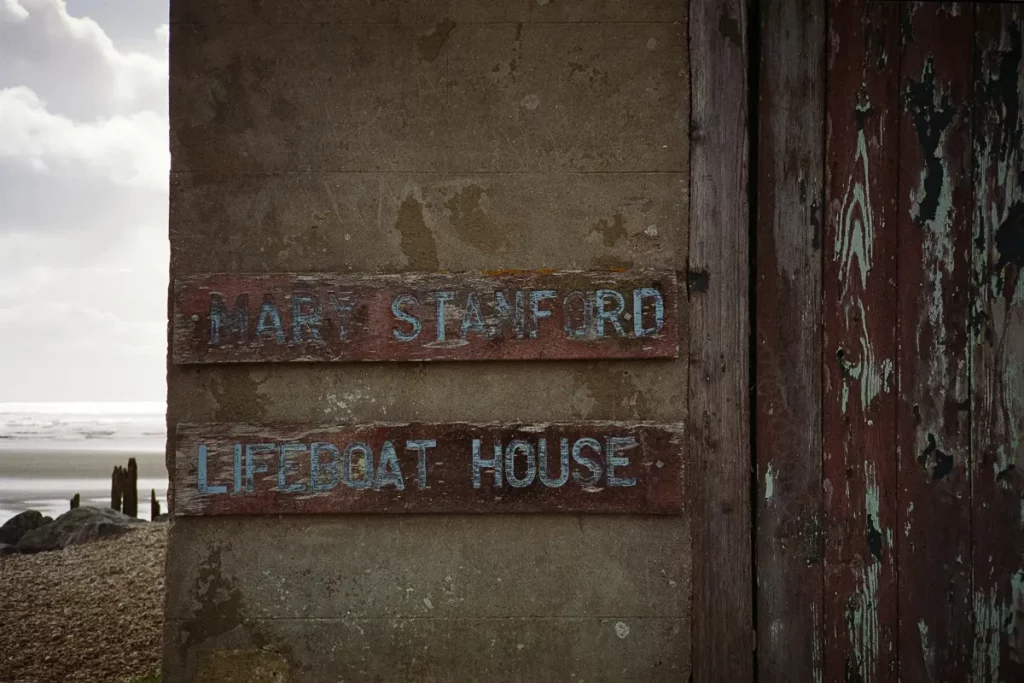
The Lifeboat House
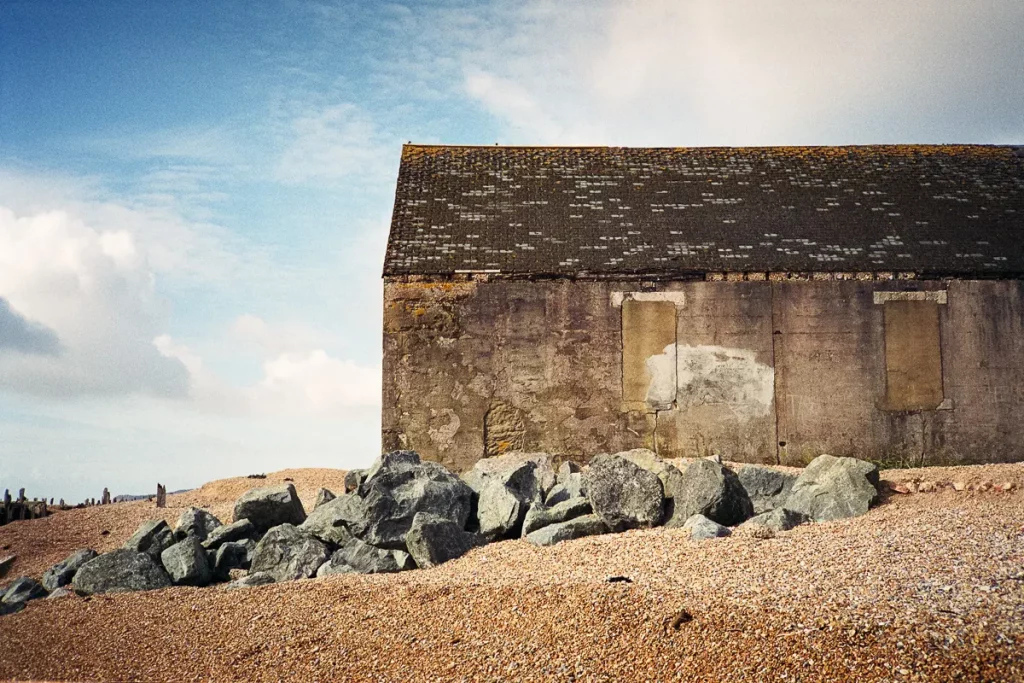
However, the Mary Stanford Lifeboat House stopped me for a different reason.
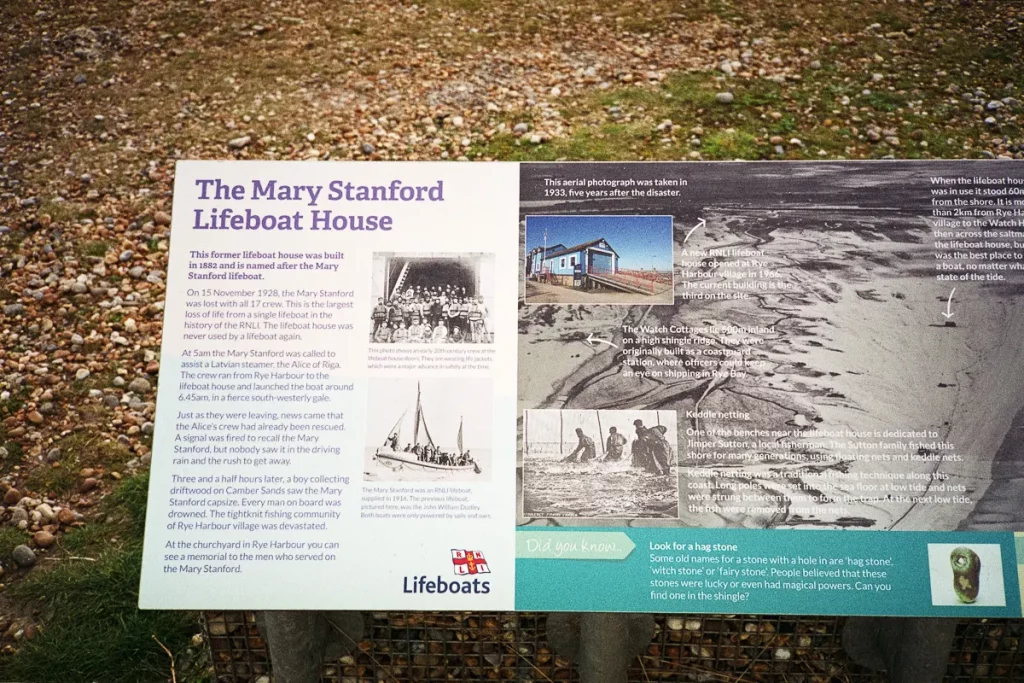
In 1928, seventeen crew members of the Mary Stanford lifeboat lost their lives while attempting to rescue the Latvian vessel Alice of Riga during a violent storm.
Knowing this history changed the way I saw the building and the coastline around it. What had seemed like an old structure beside the sea was now connected to something much more personal and tragic.
The photographs couldn’t show that history, but knowing it changed the way I looked at the place.
Shooting Expired 35mm Film
I had no idea how the two rolls of Fujifilm Superia 100 had been stored before I bought them. That uncertainty was part of the appeal.
Expired film can produce unpredictable results. Colours shift, contrast softens, and grain becomes more pronounced. I actually liked the possibility that the film might introduce something I couldn’t completely control.
It seemed appropriate for Rye Harbour.
The resulting photographs have gentle colours and a softness that suits the weathered landscape. Even so, I like the fact that I didn’t know exactly what I was going to get.
There was also something satisfying about waiting for the film to be developed. By the time I saw the photographs, the walk had become a memory.
What I Found at Rye Harbour
I began the walk wondering whether there would be enough to photograph.
By the end, I had filled two rolls of film.
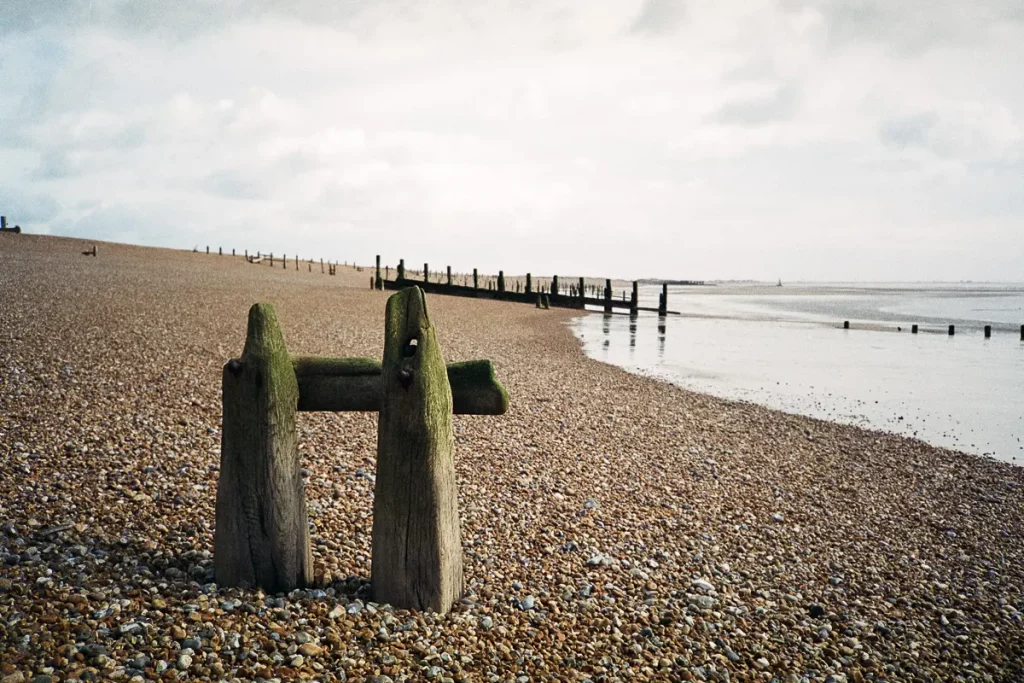
The photographs aren’t a complete record of Rye Harbour. Instead, they capture what caught my eye: weathered timber, rusting metal, broken concrete, fishing nets, strange shapes and the changing light across the coast.
For me, that’s part of what film photography does. It gives you a reason to look again.
A place doesn’t need spectacular scenery to make interesting photographs. Sometimes it simply requires time, curiosity and the willingness to look closely enough to notice what’s already there.
About the Photographs
Date: 6 April 2026
Location: Rye Harbour, East Sussex
Camera: Canon Sure Shot Supreme
Film: Expired Fujifilm Superia 100, 35mm colour negative
Scanner: Minolta DiMAGE Scan Elite 5400
Software: VueScan


