I grew up in Burwash, East Sussex, just a few miles from the village of Brightling. As a child, I sometimes wandered its lanes and footpaths, passing some very strange sights: a pyramid in a churchyard, a round tower hidden in woodland, and a sugarloaf-shaped spire rising above the hedgerows. Locals called them Mad Jack Fuller’s follies.
At the time, they felt mysterious but ordinary—just part of the landscape. Only later did I realise how unusual they really are. Few villages have a pyramid tomb, observatory, obelisk, temple, and tower scattered across the countryside.
This post brings together photos I’ve taken over the years, along with the stories behind these eccentric monuments and the man who built them: “Mad Jack” Fuller.
Curious to explore more of East Sussex’s hidden stories? Continue the journey in Burwash: Smugglers, Rock Stars, and Kipling’s Legacy and discover another fascinating corner of the county.
Key Facts About Mad Jack Fuller’s Follies
- Mad Jack Fuller (1757–1834) was a wealthy MP, landowner, and patron of science who lived in Brightling, East Sussex.
- He built a series of unusual monuments known today as Mad Jack Fuller’s Follies.
- These include: a pyramid tomb, tower, sugar loaf, obelisk, observatory, temple, and summer house.
- You can visit many of the landmarks on the Mad Jack Fuller Folly Trail, a 5.5-mile circular walk around the village of Brightling.
- Fuller’s legacy is complex—he supported science and the arts but also profited from slavery.
- His follies remain some of the most distinctive landmarks in the Sussex countryside.
Who Was Mad Jack Fuller?
John “Mad Jack” Fuller (1757–1834) was a wealthy landowner, Tory Member of Parliament, and the squire of Brightling Park, formerly known as Rose Hill—the estate where Mad Jack Fuller lived.
Fuller was famous in his lifetime for his flamboyant personality, theatrical behaviour in Parliament, and love of spectacle. But he was also a serious patron of the arts and sciences.
Moreover, he supported the painter Joseph Turner, helped fund the early career of Michael Faraday, and endowed the Royal Institution with two scientific professorships, which it no longer awards today.
Locally, however, people remember him for something far stranger: the curious monuments he built across the Brightling landscape, now collectively known as Mad Jack Fuller’s Follies.
The Mad Jack Fuller Folly Trail in Brightling, East Sussex
The best way to see Mad Jack Fuller’s follies is to follow the Folly Trail, a circular 5.5-mile walk through the hills and farmland around Brightling in the High Weald Area of Outstanding Natural Beauty.
Along the route, you’ll encounter some of the most unusual structures in southern England.
Here are the highlights:
The Pyramid: Mad Jack Fuller’s Tomb
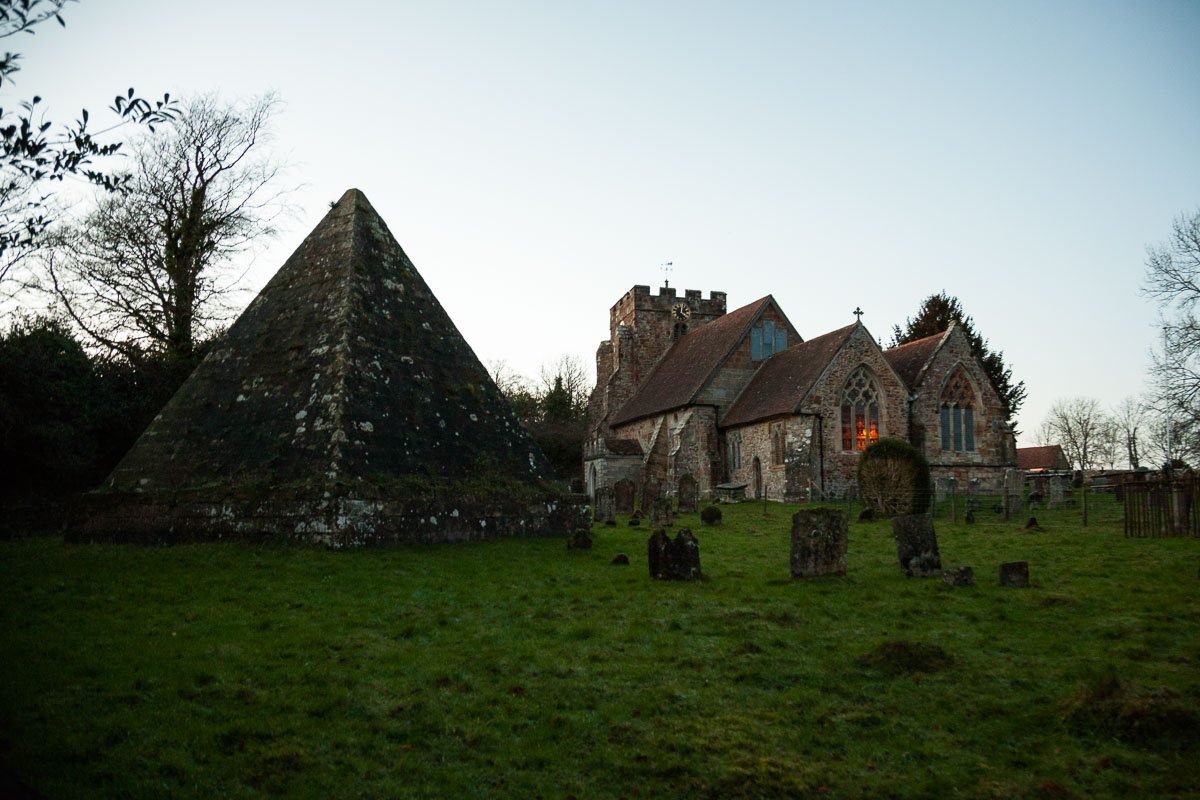
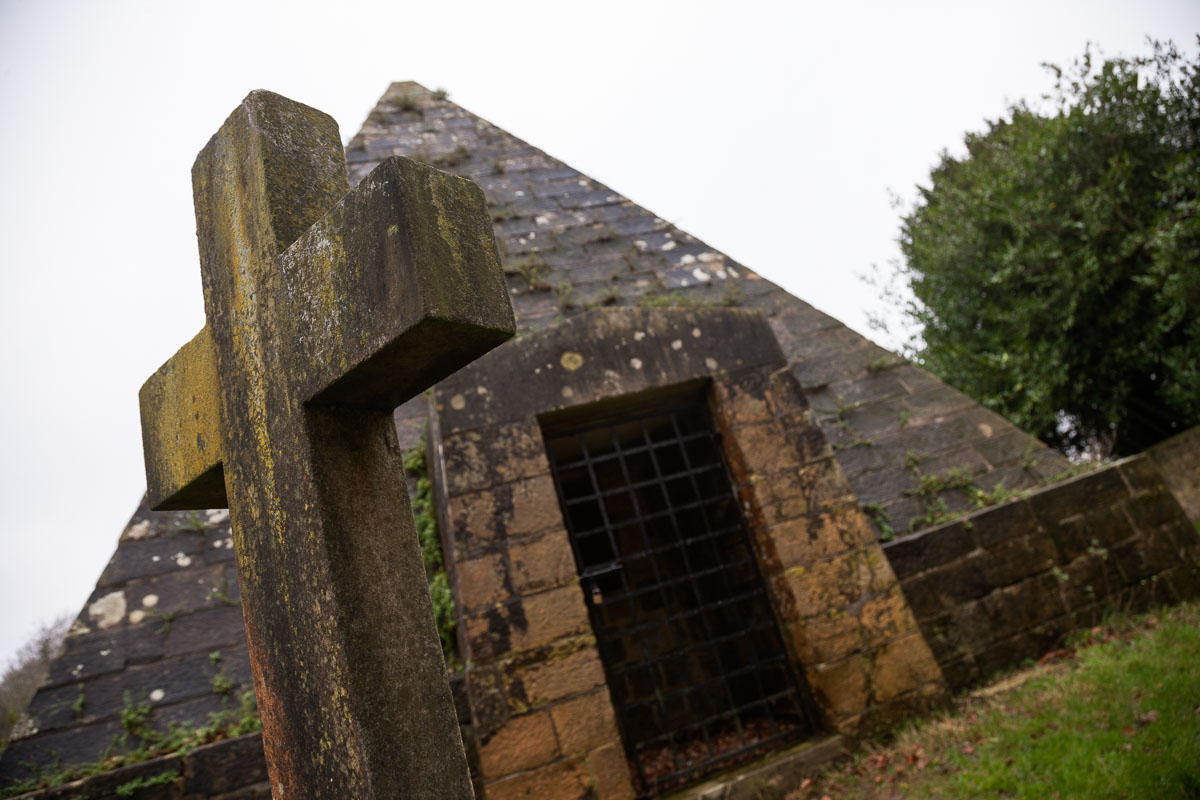
In the churchyard of St Thomas à Becket Church in Brightling stands the most famous of Mad Jack Fuller’s follies: a 25-foot pyramid-shaped mausoleum built in 1811.
According to local legend, Fuller is buried inside the tomb, seated at a table with wine and roast chicken. In reality, his remains lie conventionally beneath the floor, but the story has endured for generations.
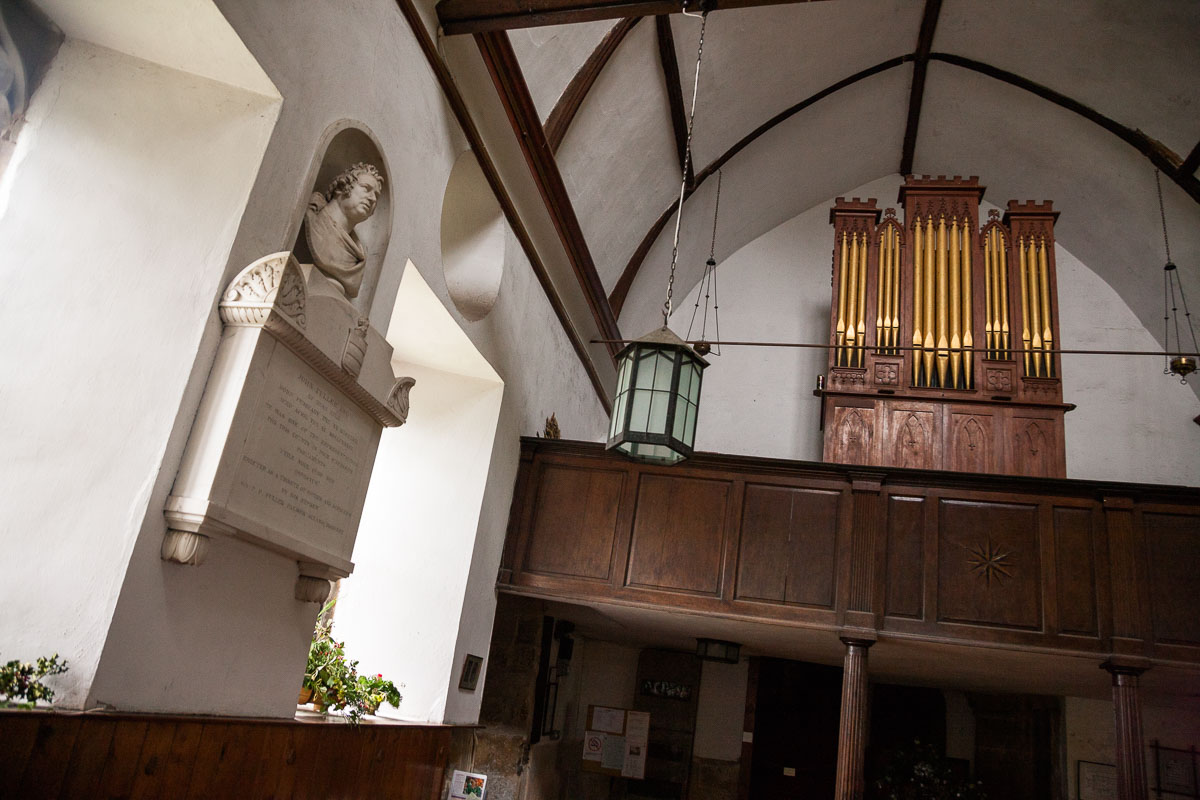
Inside the church, you’ll also find a marble bust of Jack Fuller, Esq. by sculptor Sir Francis Chantrey, along with an enormous barrel organ that Fuller donated—one of the largest still operational in Britain.
When I was young, the church always felt slightly eerie at night. Naturally, we dared each other to go inside.
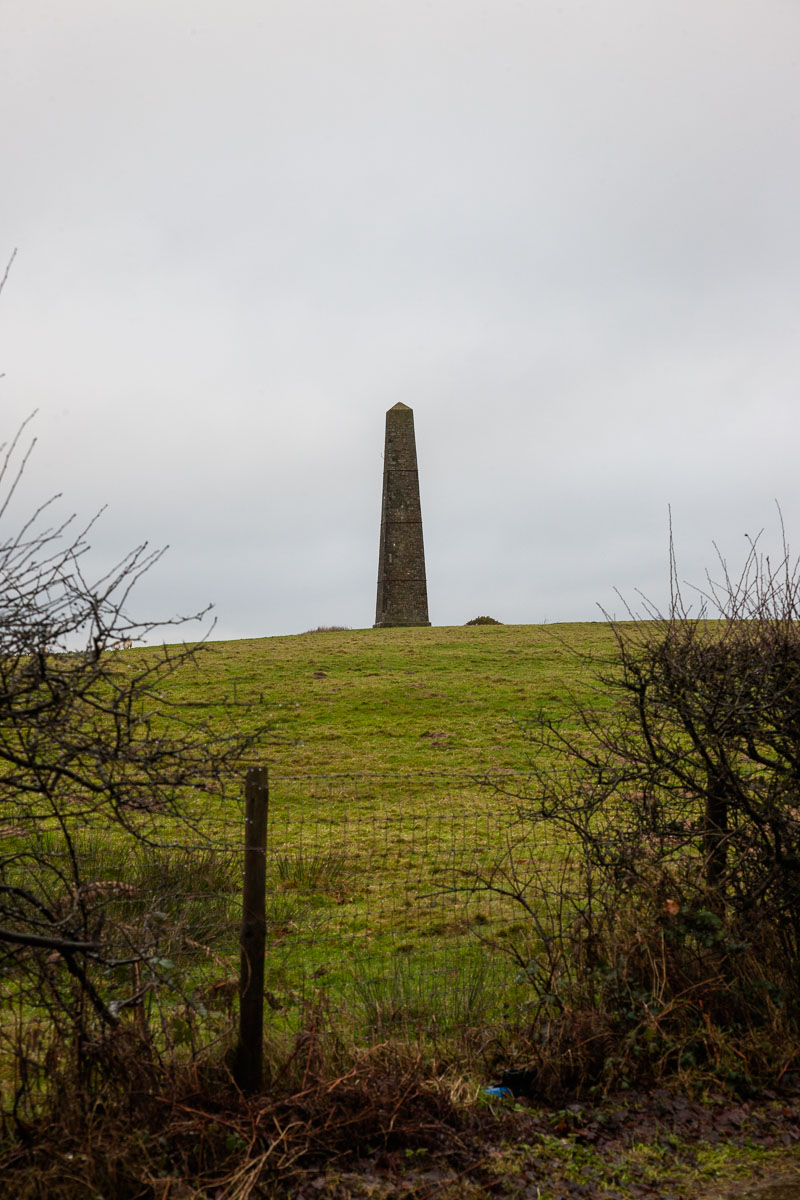
Brightling Needle: The Obelisk on the Hill
Standing 65 feet high at the highest point in Brightling, Brightling Needle dominates the surrounding landscape.
No one knows exactly why Fuller built it. Some believe it commemorates Nelson’s victory at Trafalgar or Wellington’s triumph at Waterloo. Whilst others think Fuller just wanted to employ local workers.
But whatever the reason, the obelisk remains one of the most visible landmarks on the Mad Jack Fuller walk, offering sweeping views across the Sussex countryside.
Brightling Observatory
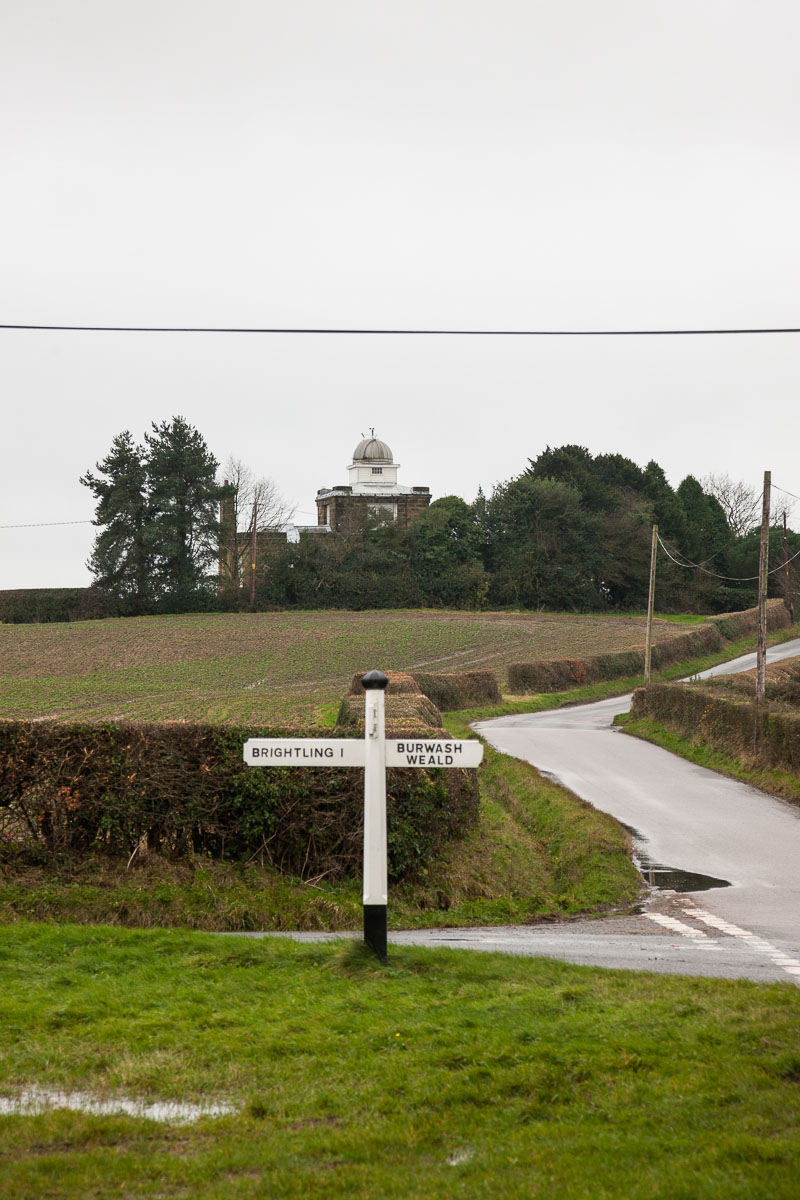
Although not technically a folly, Fuller built Brightling Observatory to pursue his interest in astronomy.
Designed by Sir Robert Smirke (architect of the British Museum) around 1818, the building originally contained a telescope and a camera obscura. Today, it is a private home, but you can still see it from the Brightling–Burwash road.
The observatory also attracted the attention of Joseph Turner, who created a sketch for a work titled The Observatory at Rosehill Park.
The Sugar Loaf
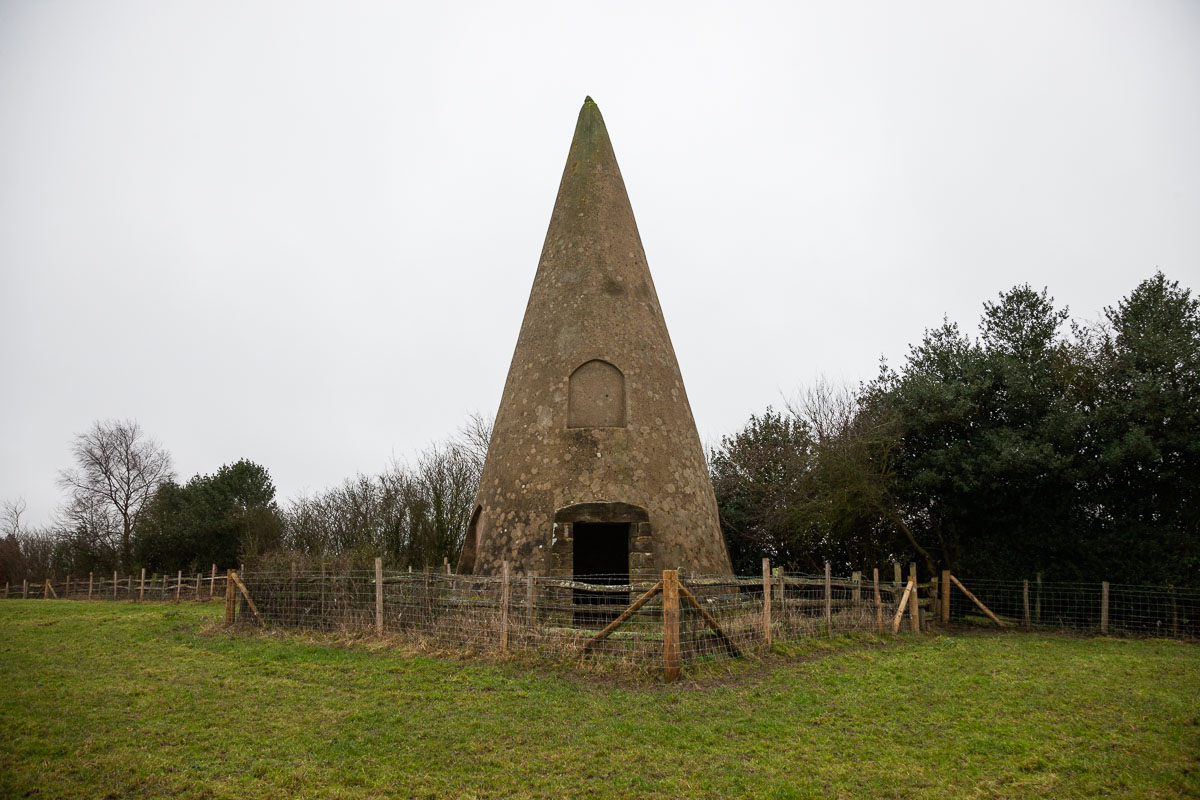
Near Wood’s Corner, a tall cone-shaped structure rises from the fields. Locals know it as The Sugar Loaf.
According to local legend, Fuller had it built overnight after losing a bet about whether he could see the spire of St. Giles’s Church in Dallington from his house.
That story is probably nonsense, because the structure is too impressive for builders to construct in one night.
What is true, however, is that the building once served as a two-storey dwelling. The 1841 census records a family of seven living inside.
The Summer House
Hidden within the woods of Brightling Park, the Summer House is one of the earliest of Mad Jack Fuller’s follies, built in 1803.
Constructed from Coade stone, a durable artificial stone popular in Georgian architecture, it may have served as a reading nook, romantic retreat or a place to enjoy the views across the Sussex landscape.
Because it sits on private land, it isn’t accessible on the public trail.
The Rotunda Temple
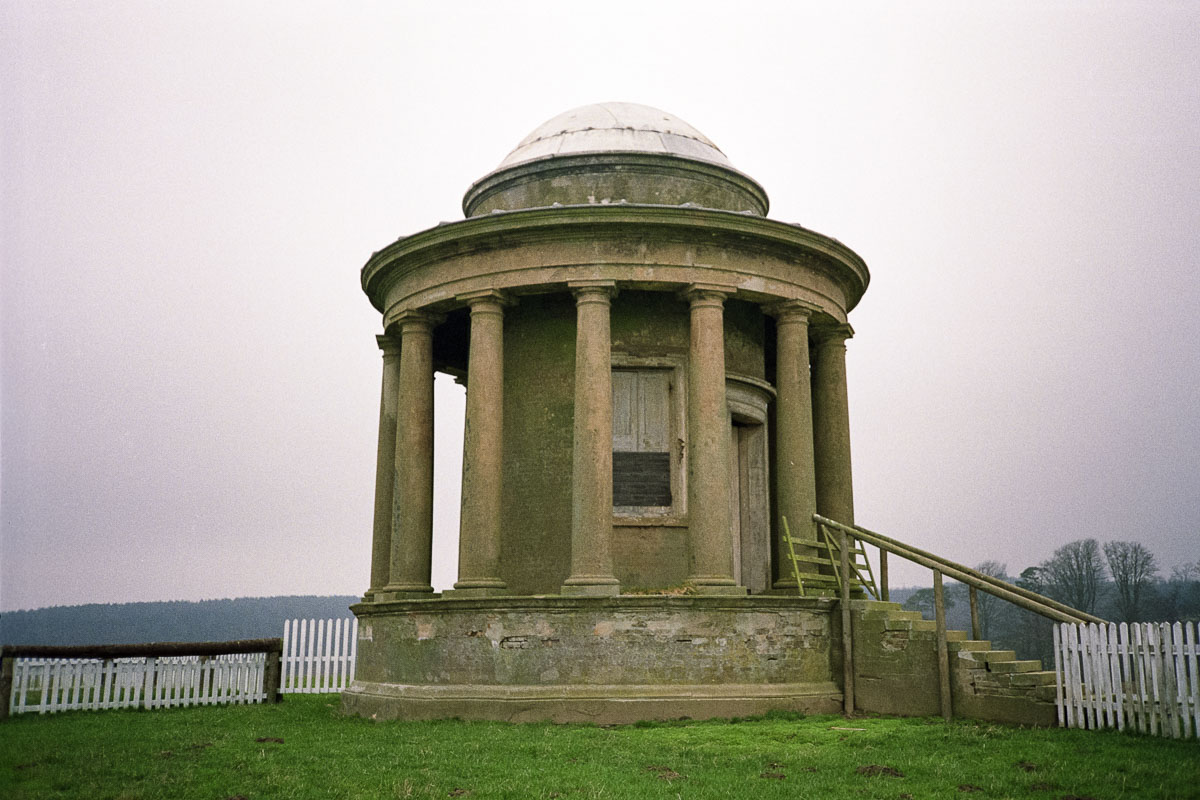
Perhaps the most elegant of the follies is the Rotunda Temple, a circular structure with Doric columns and a domed roof.
Designed also by Smirke with input from landscape designer Humphry Repton, it reflects the neoclassical taste of the early nineteenth century.
It was possibly used for illicit gambling or private entertaining, as its hollow floor could have kept food and wine cool, fitting for a man known for his extravagant dinners.
Viewed across misty fields, the temple looks almost like a miniature ruin from classical antiquity.
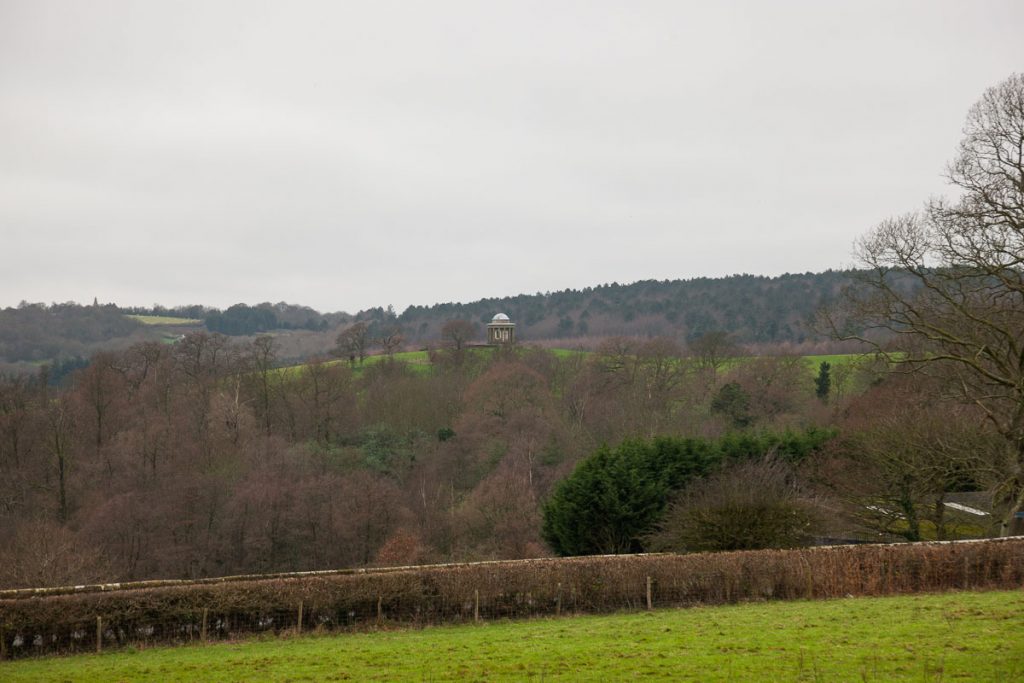
The Mad Jack Fuller Tower
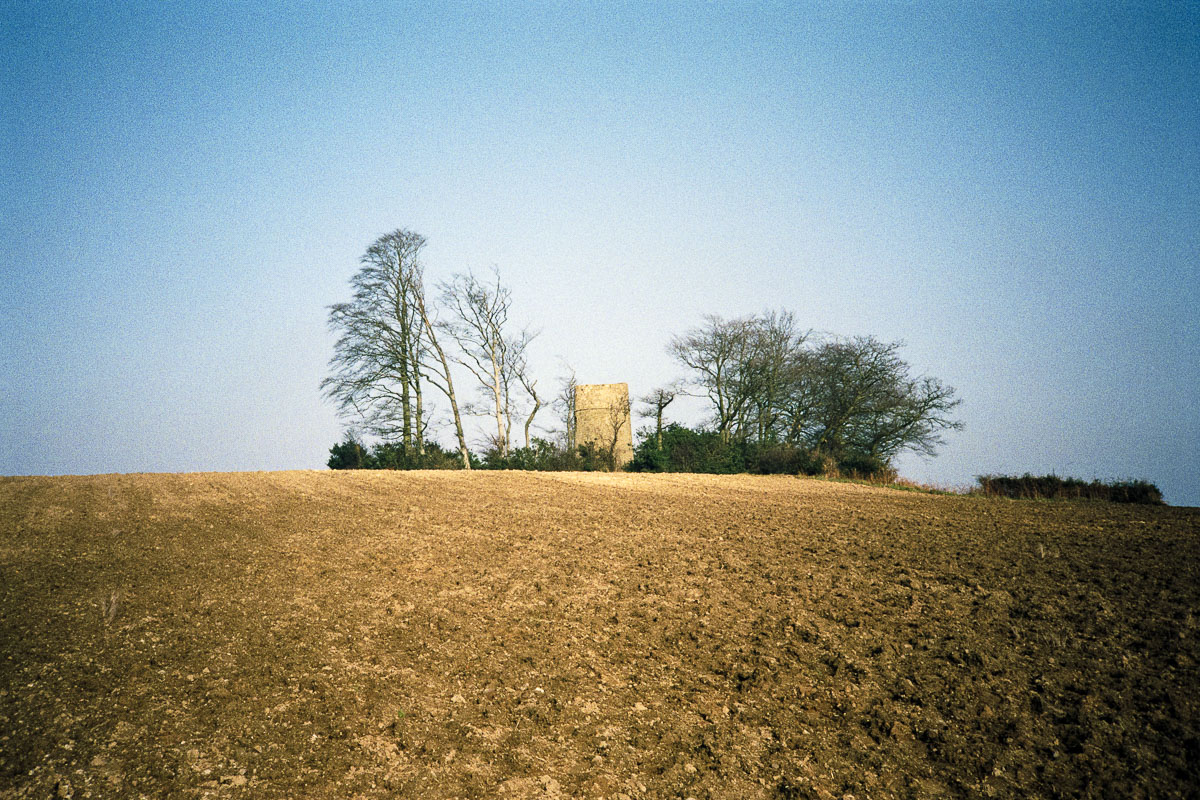
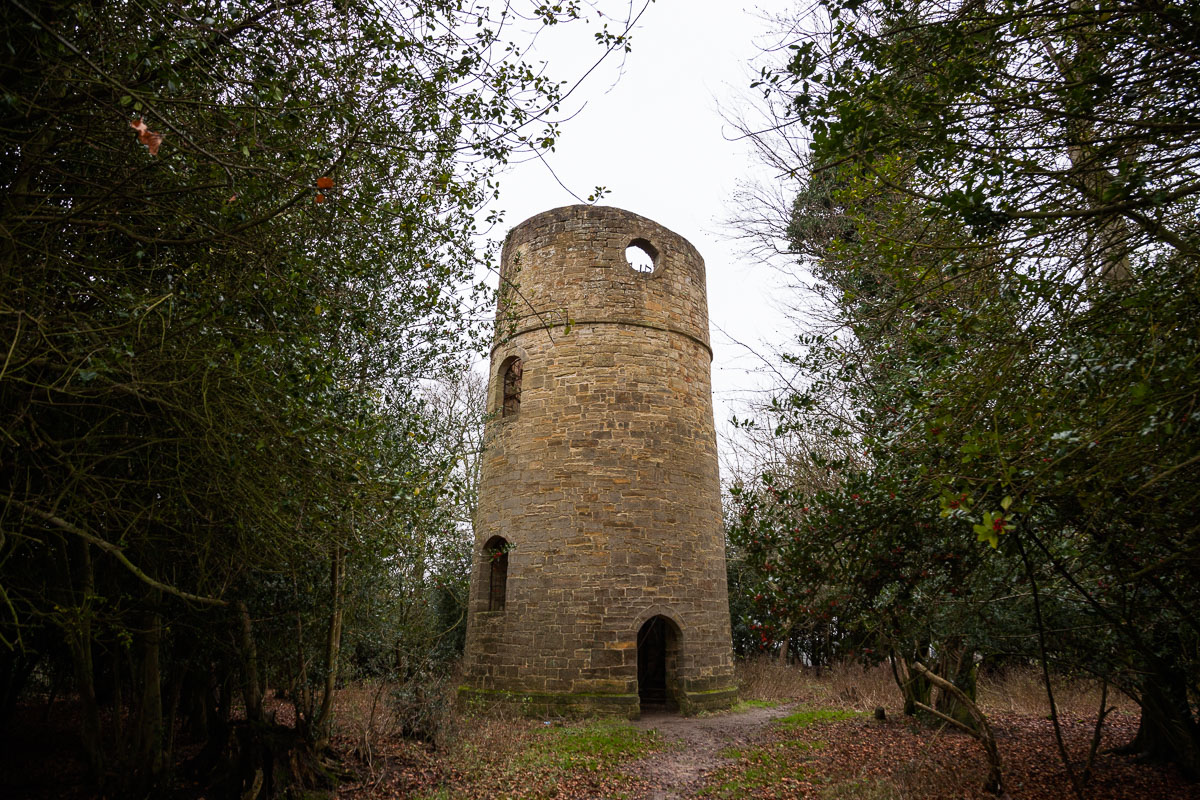
Hidden in woodland stands The Tower, a 35-foot round structure that once had an internal staircase leading to a battlemented top.
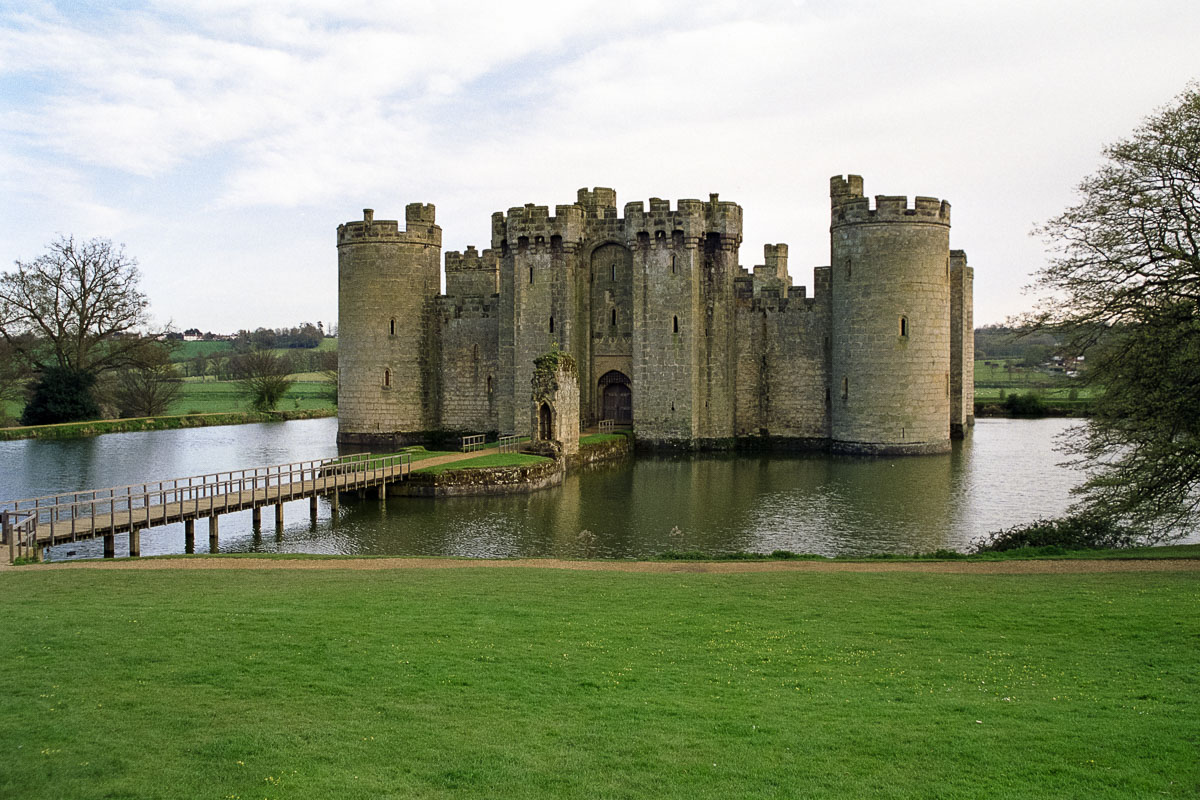
Some people believe Fuller built it to watch restoration work at Bodiam Castle, which he purchased in 1829. However, this seems unlikely, as the tower probably predates that purchase. Others suggest it may have contributed to local smuggling activities, as its hollow interiors are ideal for concealing contraband.
Growing up nearby, the tower sparked childhood imagination—smugglers, secret meetings, and ghost stories.
Today, walkers can reach it by public footpath, although the interior stairs are no longer accessible.
Ghost Stories and Legends of Mad Jack Fuller
Over the years, the life of Mad Jack Fuller has inspired many tales and legends.
The Horseman in the Mist: One local story goes that a motorcyclist riding through Brightling on a foggy night suddenly encountered a ghostly horseman on the road. He rode straight through the figure. Shaken, he turned back—but it had vanished.
The Vanishing Heir: Another tale from A 1913 newspaper reported that Fuller’s family permanently sealed two rooms in Rose Hill after Jack’s cousin and heir mysteriously vanished there in 1834. Some believe foul play was involved.
True or not, these stories add a certain atmosphere to the Mad Jack Fuller walk.
Mad Jack Fuller’s Legacy: Eccentric Benefactor or Colonial Showman?
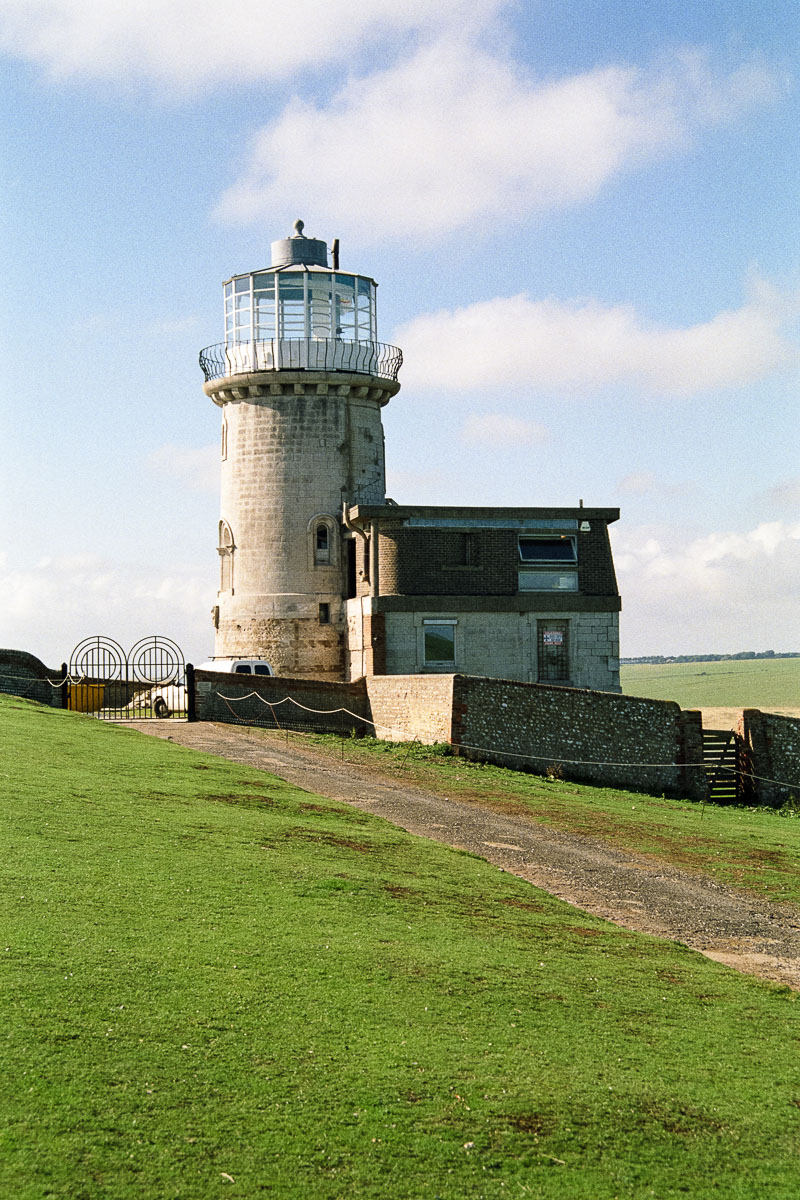
It is easy to romanticise Mad Jack Fuller as a charming eccentric. He undeniably supported science and the arts, helped launch the careers of Turner and Faraday, and funded local projects including Belle Tout lighthouse and Eastbourne’s first lifeboat.
But his wealth also came from West Indian sugar plantations, and Fuller openly defended the slave trade in Parliament.
Like many figures in British history, his story is complicated. The follies he left behind are fascinating monuments—but they also reflect the privilege and contradictions of their era.
Plan Your Visit to Mad Jack Fuller’s Follies
You can explore most of Mad Jack Fuller’s Follies via the Mad Jack Fuller Folly Trail, starting near St Thomas à Becket Church in Brightling.
The route passes several key landmarks, including:
- The Pyramid Tomb
- Brightling Needle
- The Sugar Loaf
- Brightling Observatory
- The Tower
Note: Some structures are on private land, but you can still view them from nearby public footpaths.
Use the Google Map below to locate the sites and plan your route around Brightling. Early morning or overcast days often provide the most atmospheric views.
Have You Walked the Mad Jack Fuller Folly Trail?
Have you visited Mad Jack Fuller’s follies or walked the trail around Brightling?
I’d love to hear your experiences in the comments. If you enjoyed this guide, please share it with fellow walkers and history lovers.
Thank you for looking.