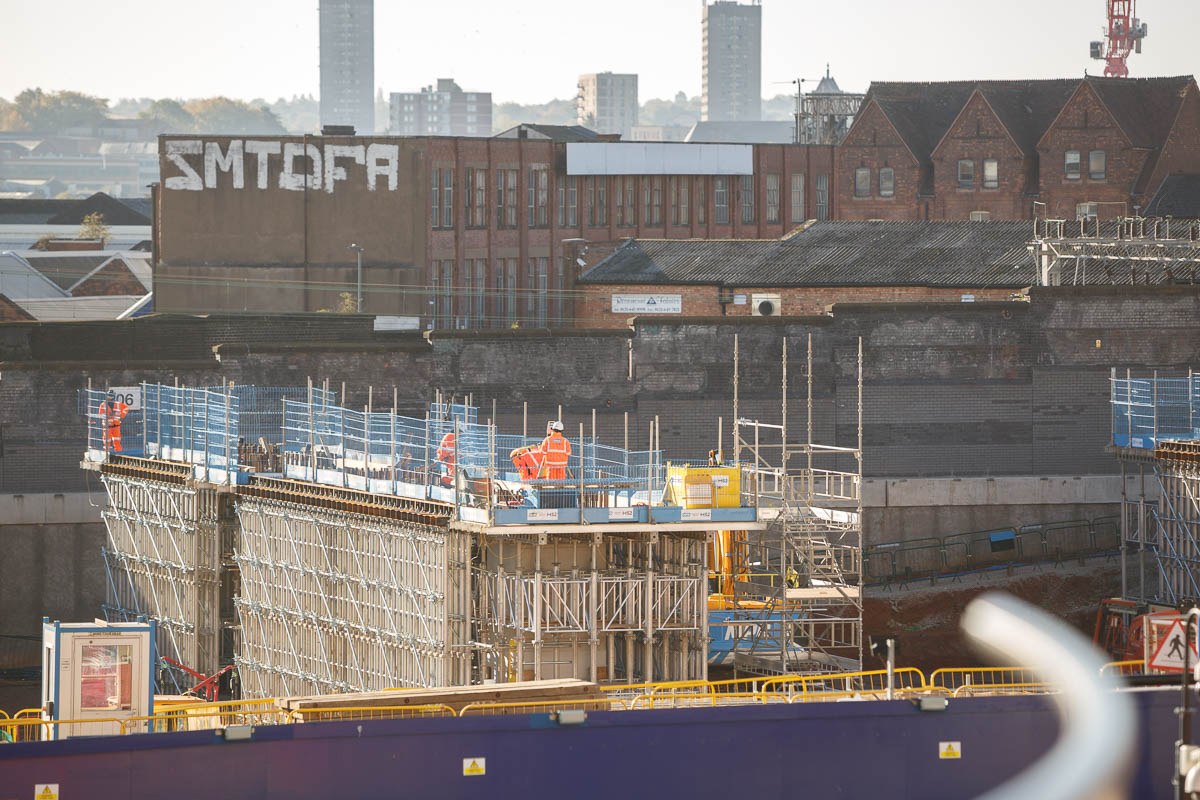
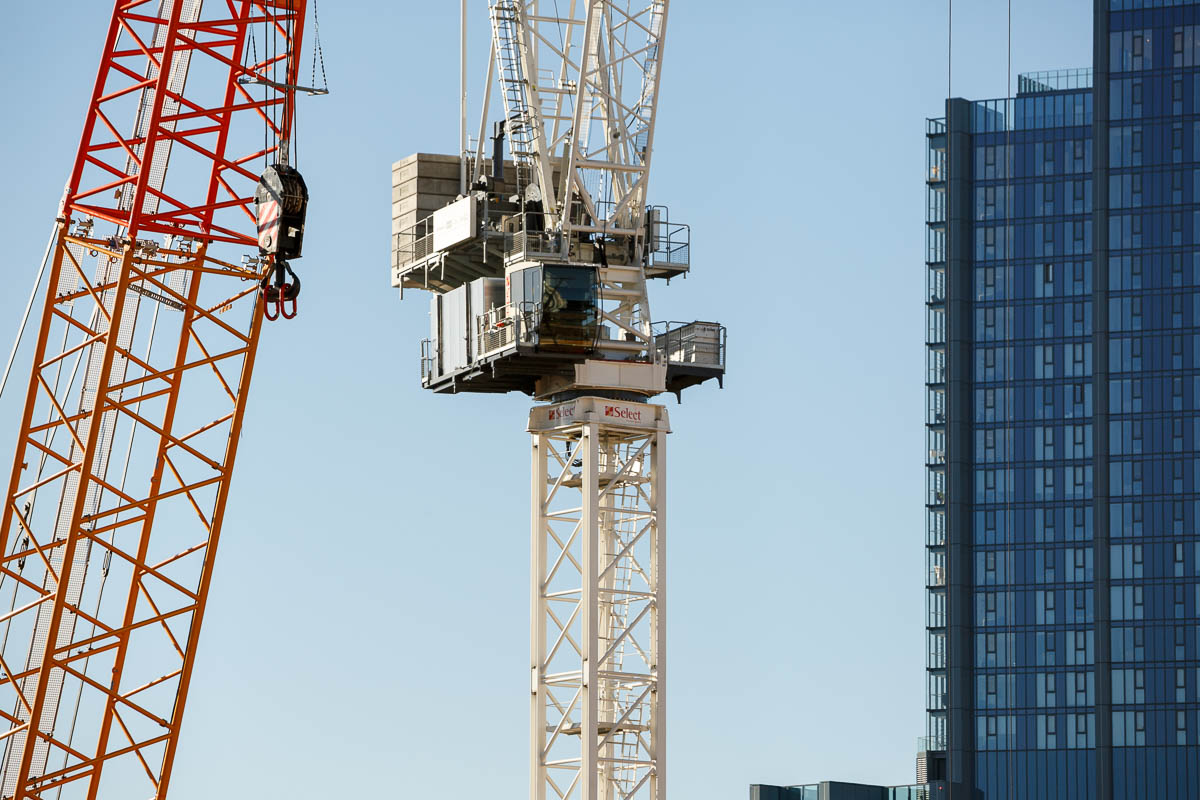
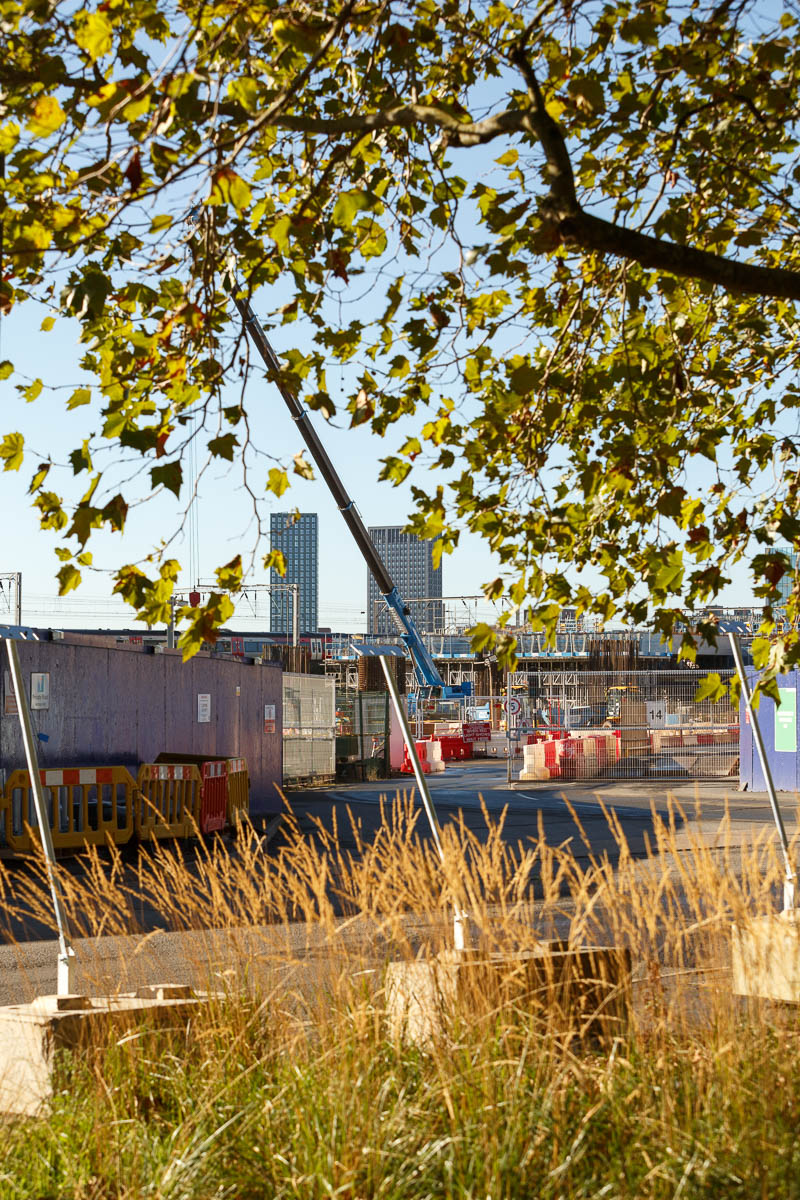
The scale of HS2 construction is difficult to appreciate until you see it up close. Across Birmingham city centre, cranes, scaffolding, concrete structures and temporary barriers are now a familiar sight. As a result, entire neighbourhoods are taking on a different appearance, with streets, old railway buildings and former factories gradually giving way to a huge construction site.
Birmingham’s Changing Cityscape
As part of my wider Digbeth Regeneration series, I began photographing the development of HS2’s Curzon Street station to document this period of change. Whatever your views on the project, its impact on Birmingham is difficult to ignore. Supporters point to faster journeys, improved transport links and new employment opportunities. On the other hand, critics question the enormous cost, delays, environmental consequences and disruption to communities. People have different views on HS2, but I wanted to show what is happening on the ground and how it’s changing the city.
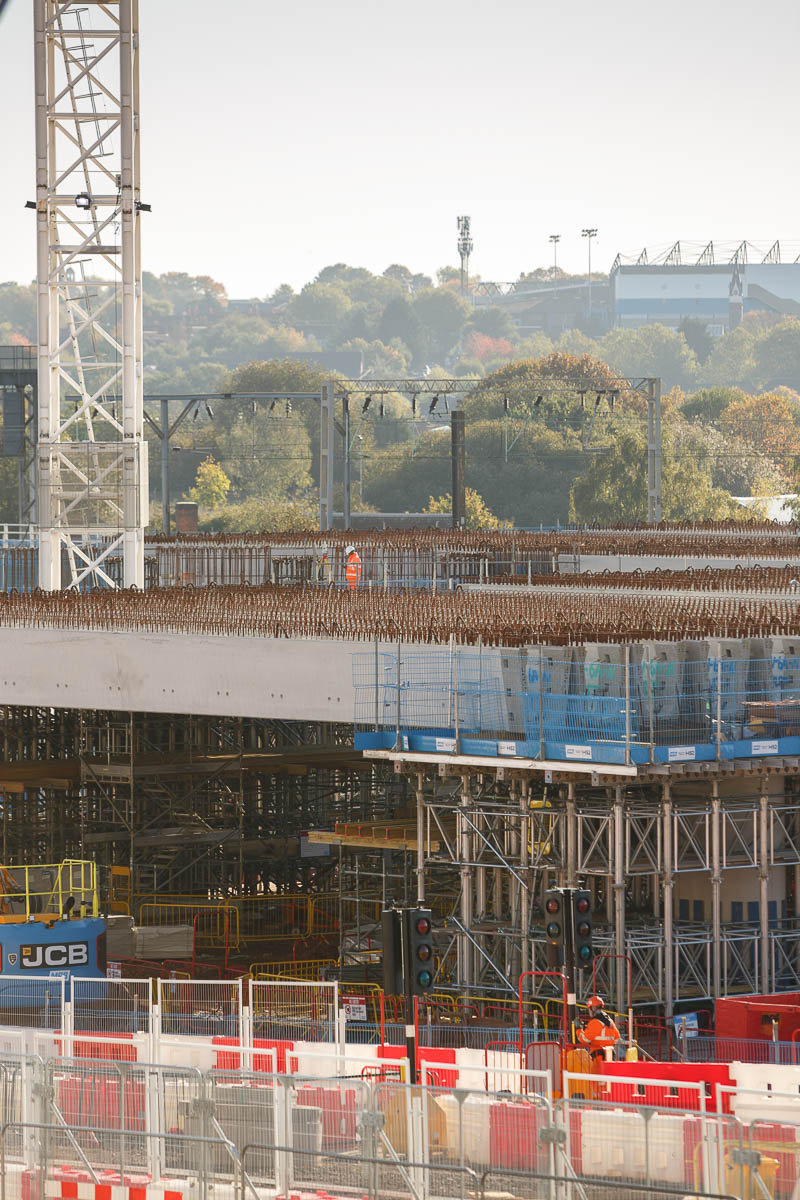
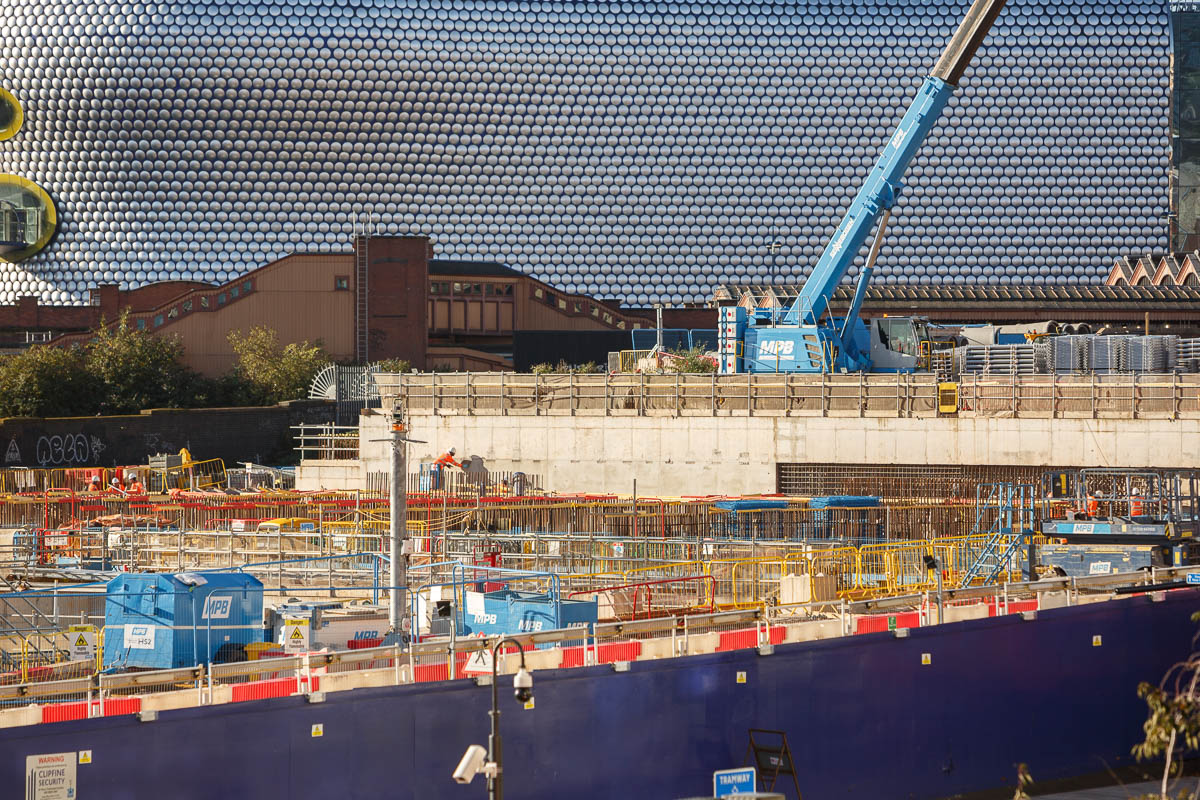
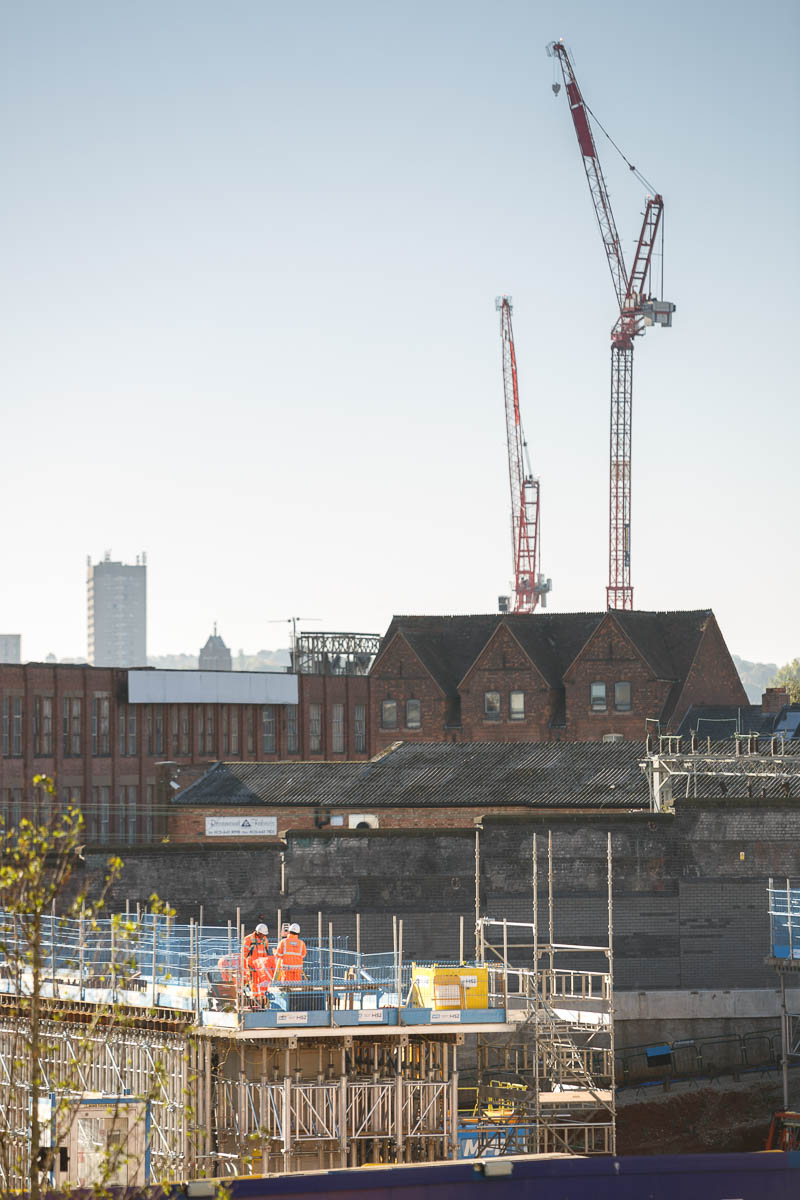
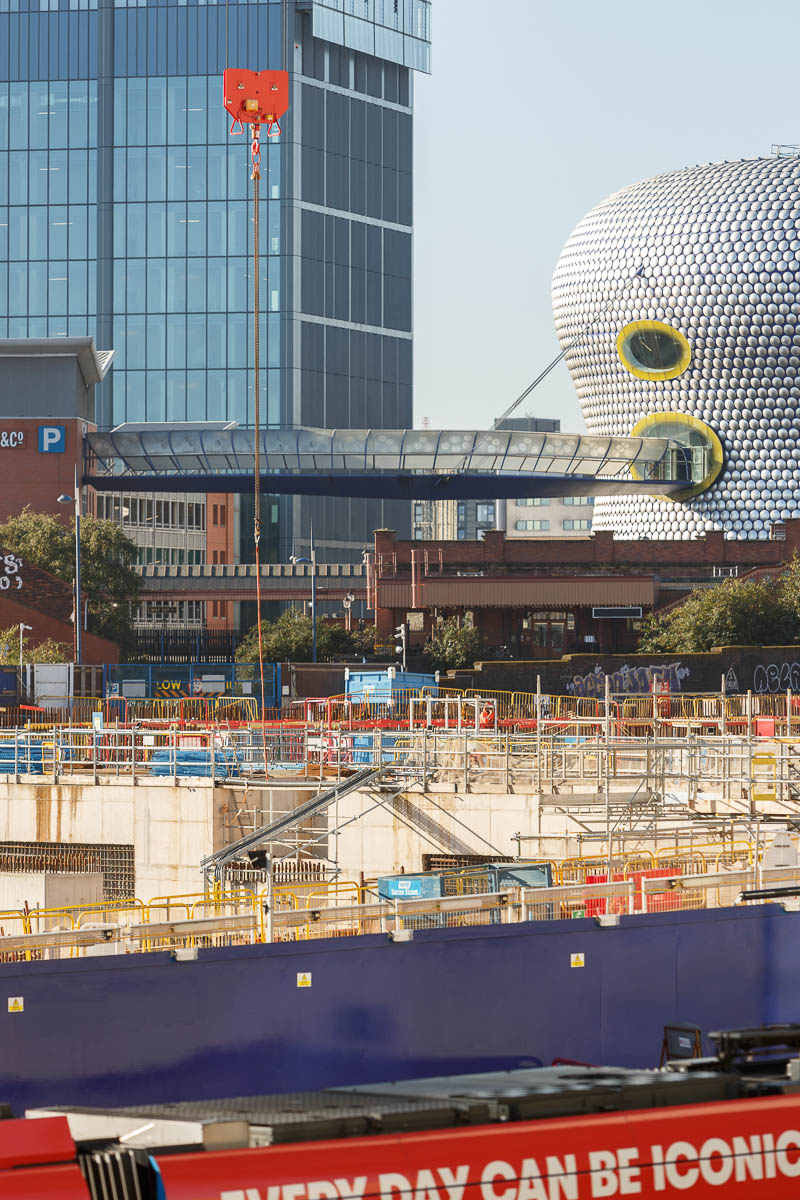
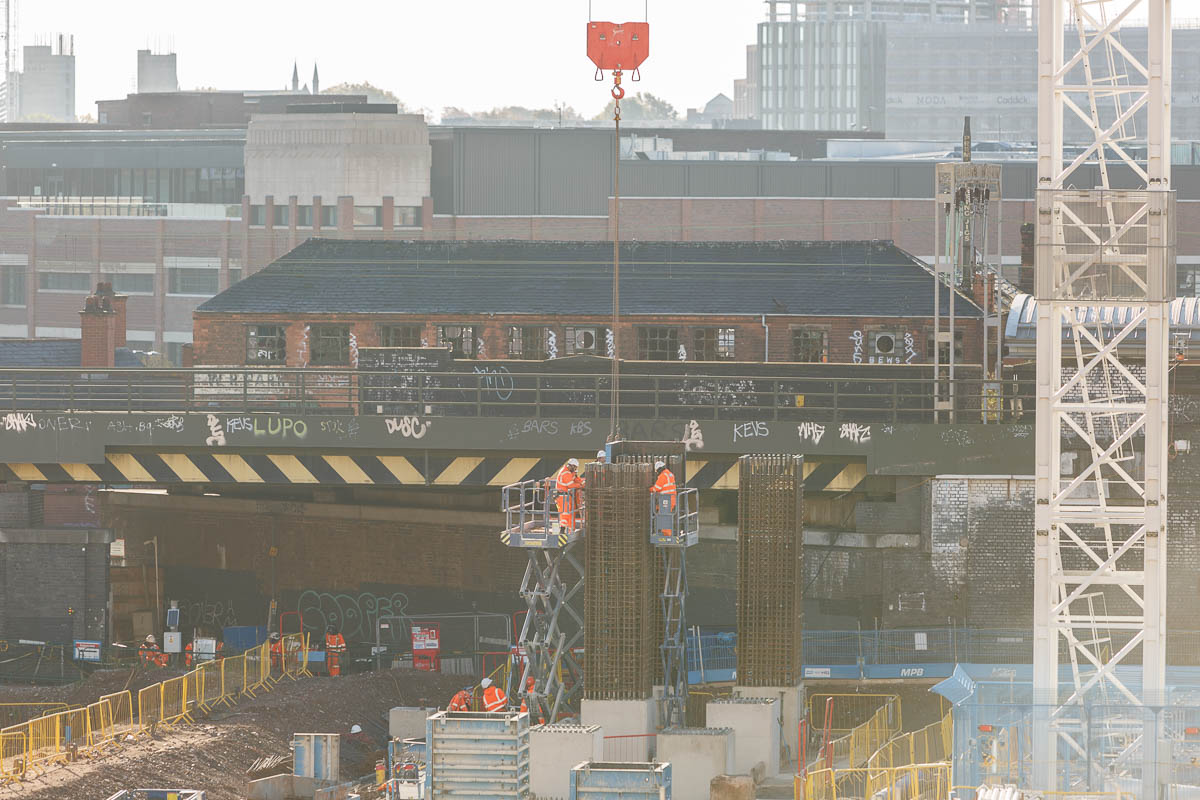
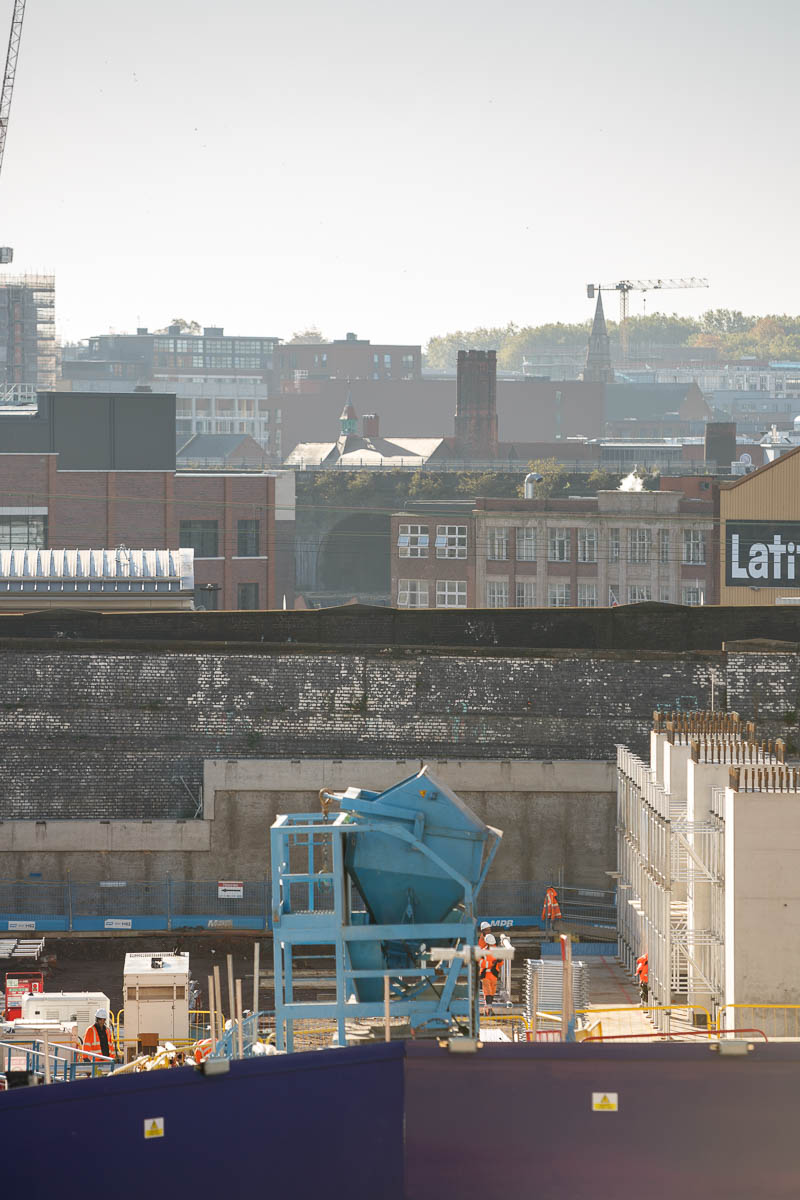
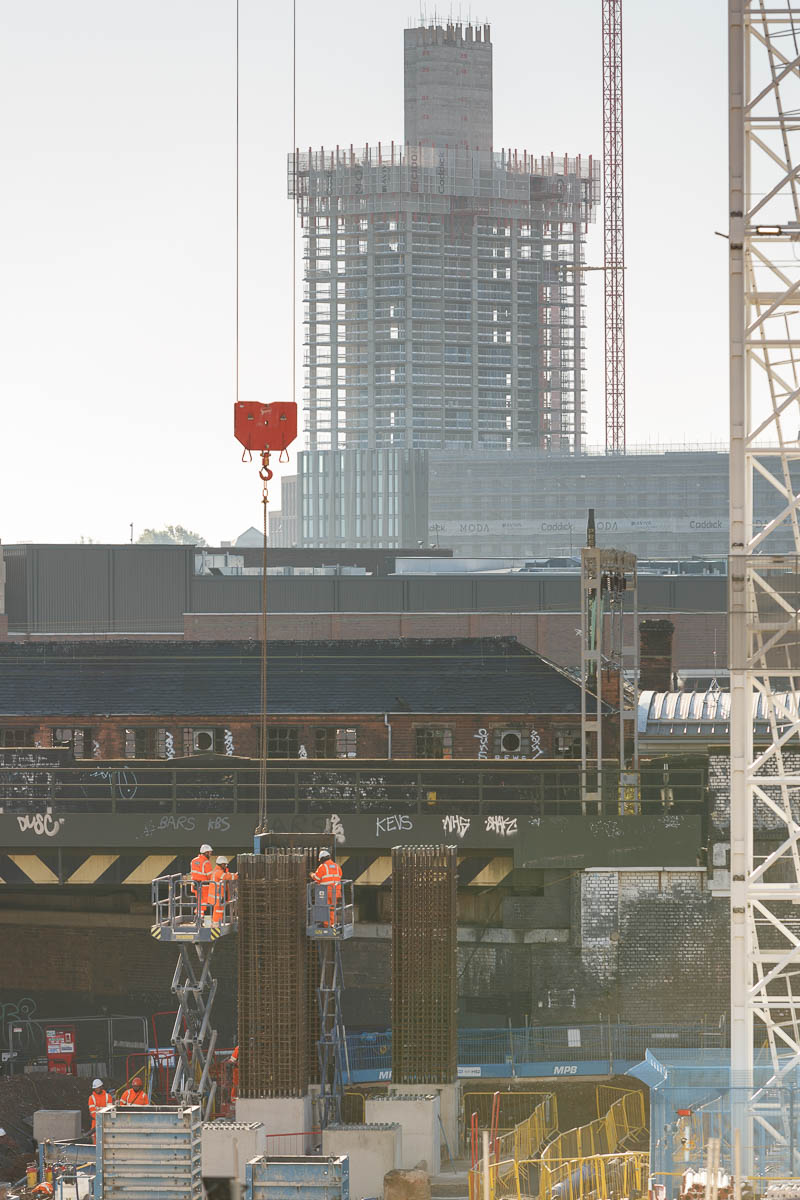
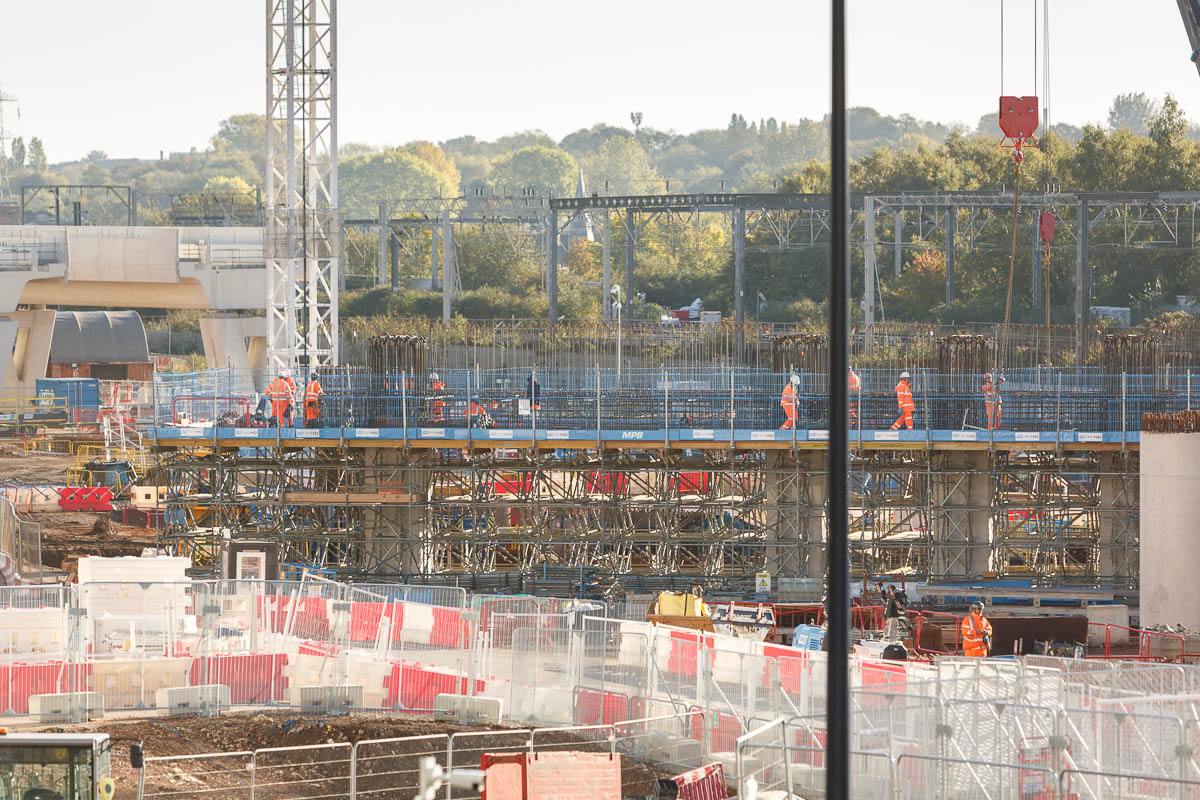
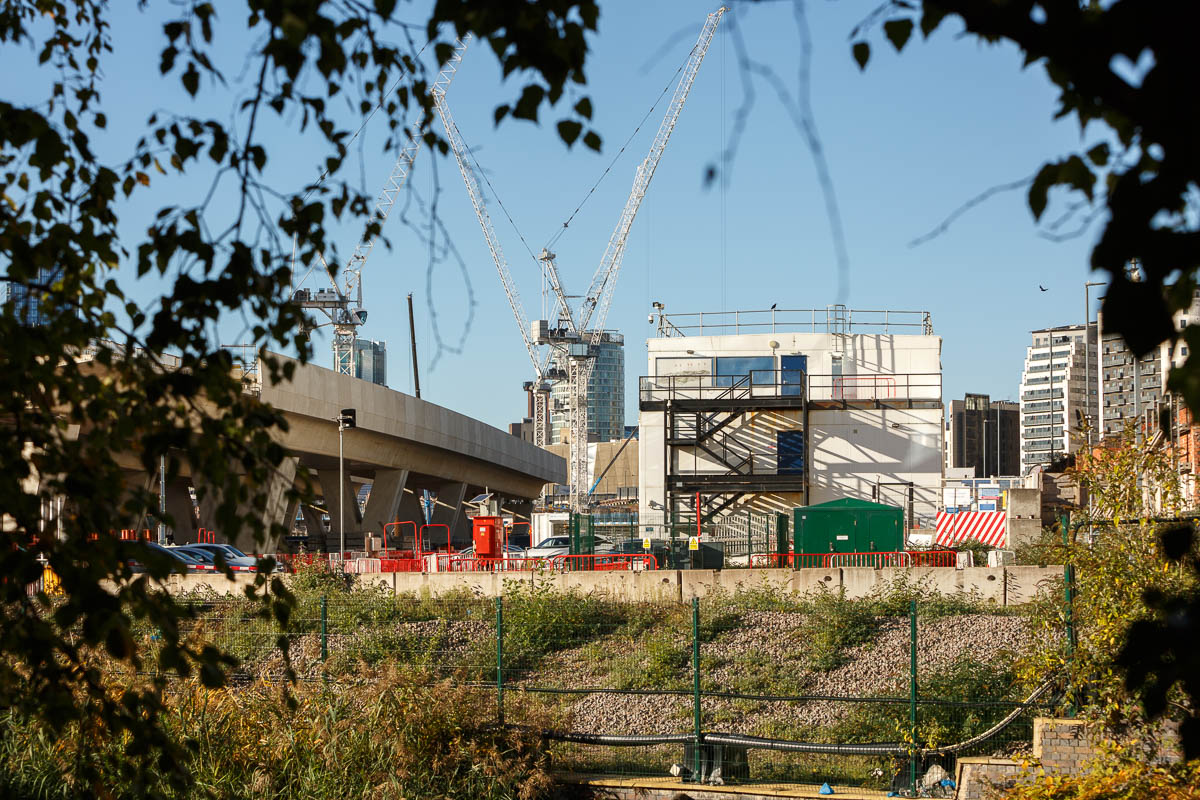
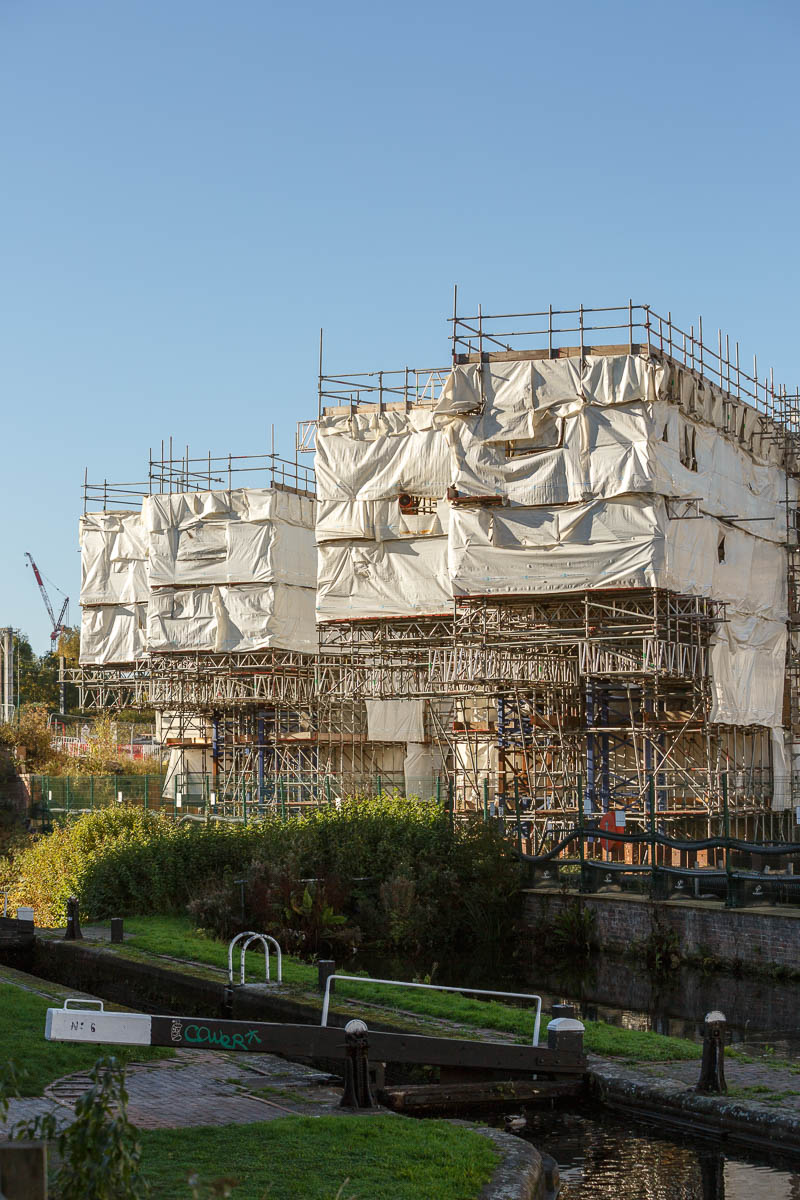
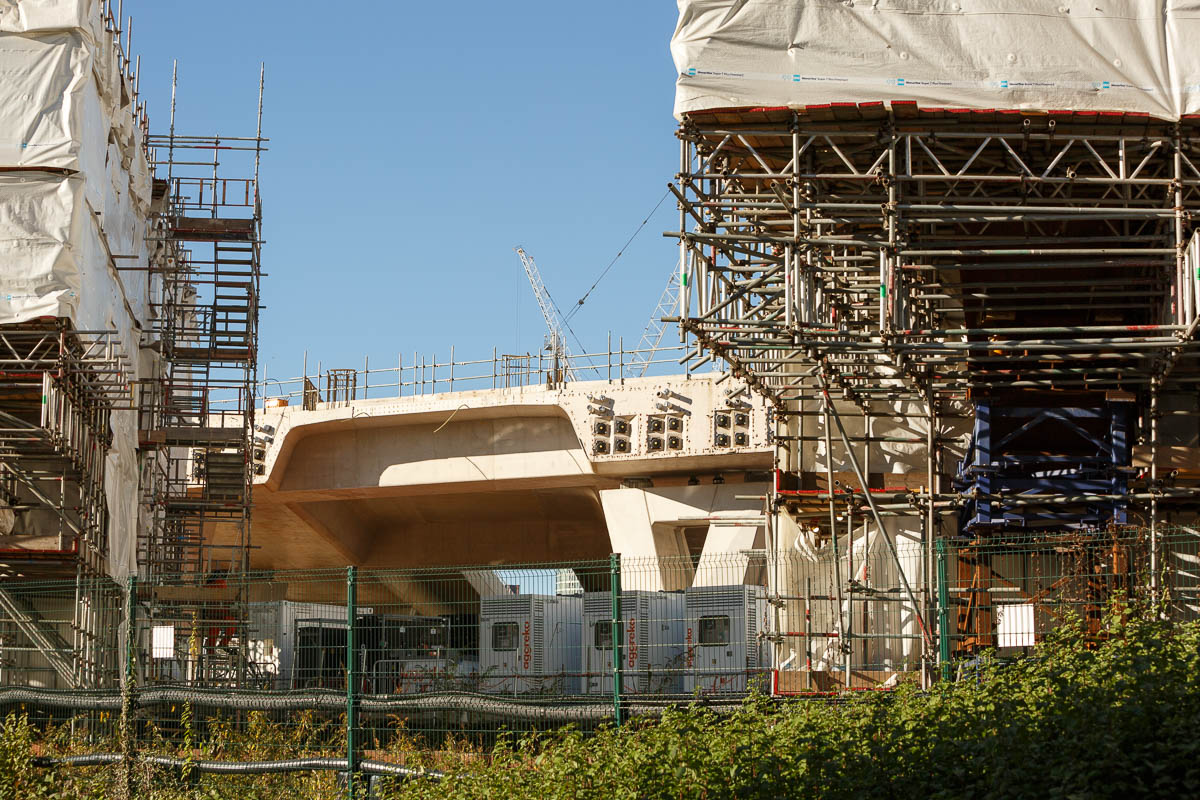
I was drawn to the contrast between the sheer scale of the engineering and the smaller details of human activity. For example, construction workers assemble steel reinforcement, inspect concrete supports and take breaks beneath towering cranes. Elsewhere, the new structures sit alongside abandoned factories, the former Curzon Street Station and the existing railway line to London. From another vantage point, the Digbeth Branch Canal offers a different view of the new terminal, with its concrete framework and scaffolding rising above the surrounding industrial landscape. Even a crow perched on the construction scaffolding offers a quieter moment amid the activity.



Final Thoughts on HS2 Construction in Birmingham
These photos show how construction is changing Birmingham and the surrounding area as the new station takes shape. I hope to return as the work progresses and photograph the completed station, creating a contrast with these earlier images. But for now, the area remains a work in progress, somewhere between its industrial past and what it might become.




Project Details
Location: Curzon Street, Birmingham
Date: October 2026
Camera: Canon EOS 5D Mark III
Lens: EF70-200mm f/2.8L IS USM
Explore more of my street photography projects, featuring the people, places and candid moments that catch my eye.


