
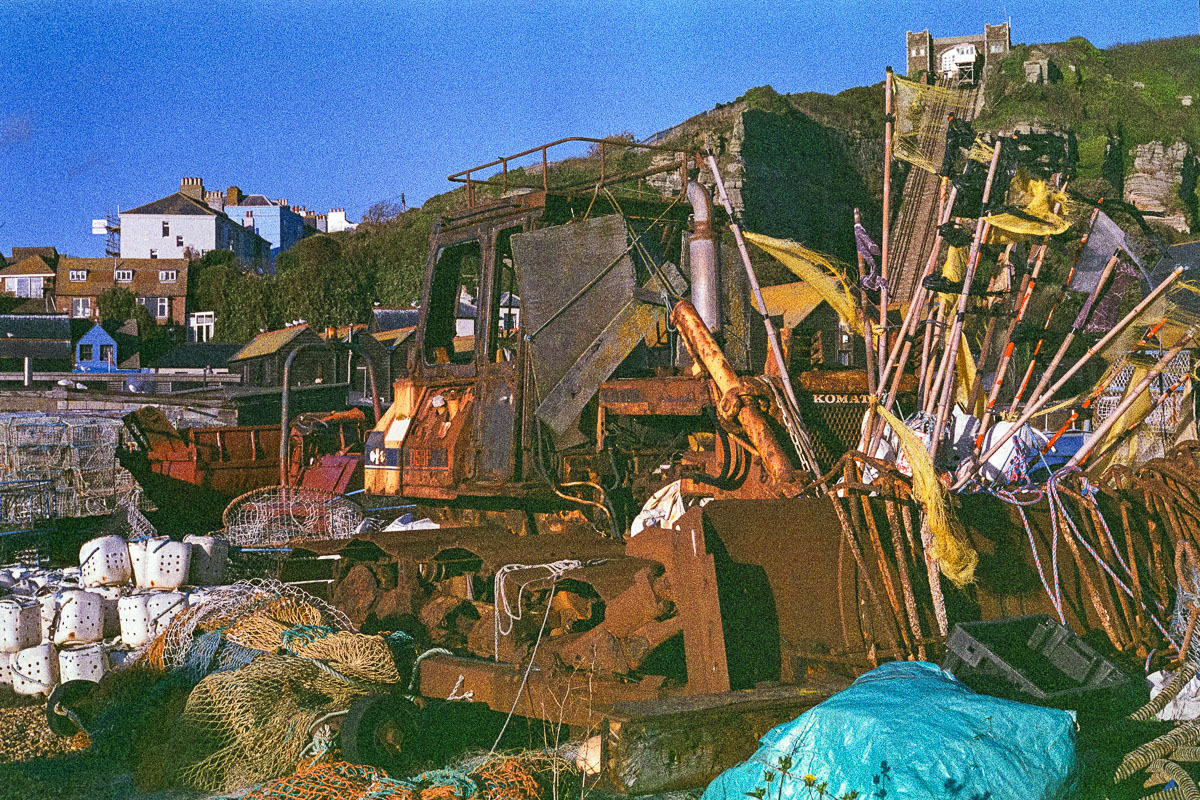
Abandoned places have a powerful pull for photographers. Weathered objects, forgotten tools, and decaying structures invite us to imagine the lives and work that once surrounded them. So it’s no wonder that abandonment photography on Hastings Beach has gained popularity—photographers are captivated by the hidden stories that many visitors overlook.
This post explores why abandonment photography is psychologically compelling and explains how Hastings Beach, on the East Sussex coast, serves as a compelling backdrop for this type of visual storytelling. Drawing on my experience as both a documentary photographer and psychology professor, I also share a series of photographs I took on Hastings Beach—where abandoned fishing boats, rusting machinery, and discarded equipment reveal traces of the town’s maritime past.
Key Insights on Coastal Abandonment Photography
- Discover hidden stories: Abandonment photography captures the hidden beauty of objects and places left behind.
- Capture striking coastal subjects: Abandoned fishing boats, rusting equipment, and weathered machinery dot Hastings Beach, offering rich scenes for photographers.
- Connect with history: These remnants reflect the town’s long fishing heritage and the passage of time along a working shoreline.
- Find inspiration: The images in this post offer ideas for documenting abandonment, coastal life, and the traces of human presence.
Why Abandonment Photography Captures Our Imagination
At its essence, abandonment photography connects with a fundamental aspect of being human: curiosity. Photographers are often attracted to places and objects that seem forgotten or neglected because they evoke questions. Who used this boat? When was it last in the water? What work once took place here?
Abandoned objects also act as silent witnesses to the past. Weathered boats, rusting engines, and discarded nets hint at the lives and labour that once animated them. By photographing these traces, we capture fragments of everyday history that might otherwise disappear.
From a psychological perspective, these scenes occupy what researchers call liminal spaces—places that exist between past and present, activity and decay. They are not entirely gone, but they are no longer fully part of the working world either.
In psychology, the term “place attachment” refers to the emotional connection that people form with places. It refers to the emotional and psychological bonds that tie us to locations through familiarity, repetition, and meaning.
For photographers, capturing images of abandoned objects serves as a means of visually exploring these concepts. Rather than seeing decay as something purely negative, abandonment photography often reveals unexpected beauty in weathered textures, faded colours, and the quiet marks left by time.
Hastings Beach: A Hidden Gem for Abandonment Photography
Hastings is a historic seaside town on the southeast coast of England, known for its fishing heritage, iconic castle, and picturesque shingle beach. Many visitors head straight for familiar landmarks such as the pier, the Old Town streets, or the historic cliff railway.
However, for photographers interested in abandonment and traces of working life, the beach itself offers something different.
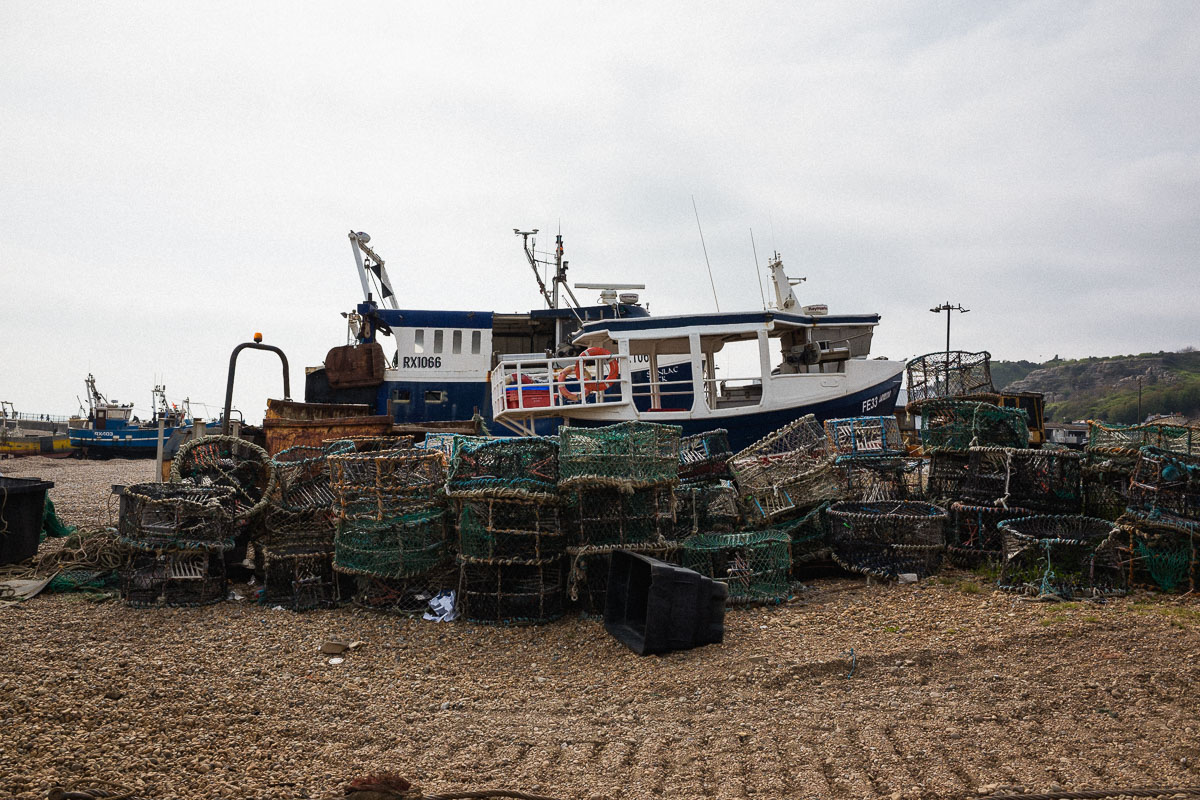
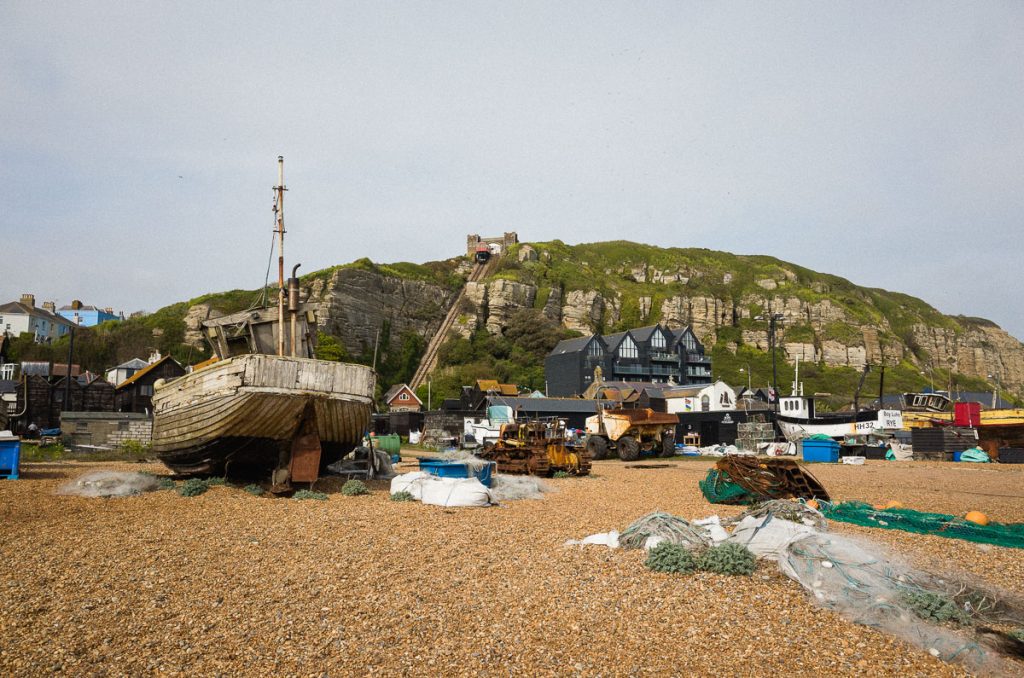
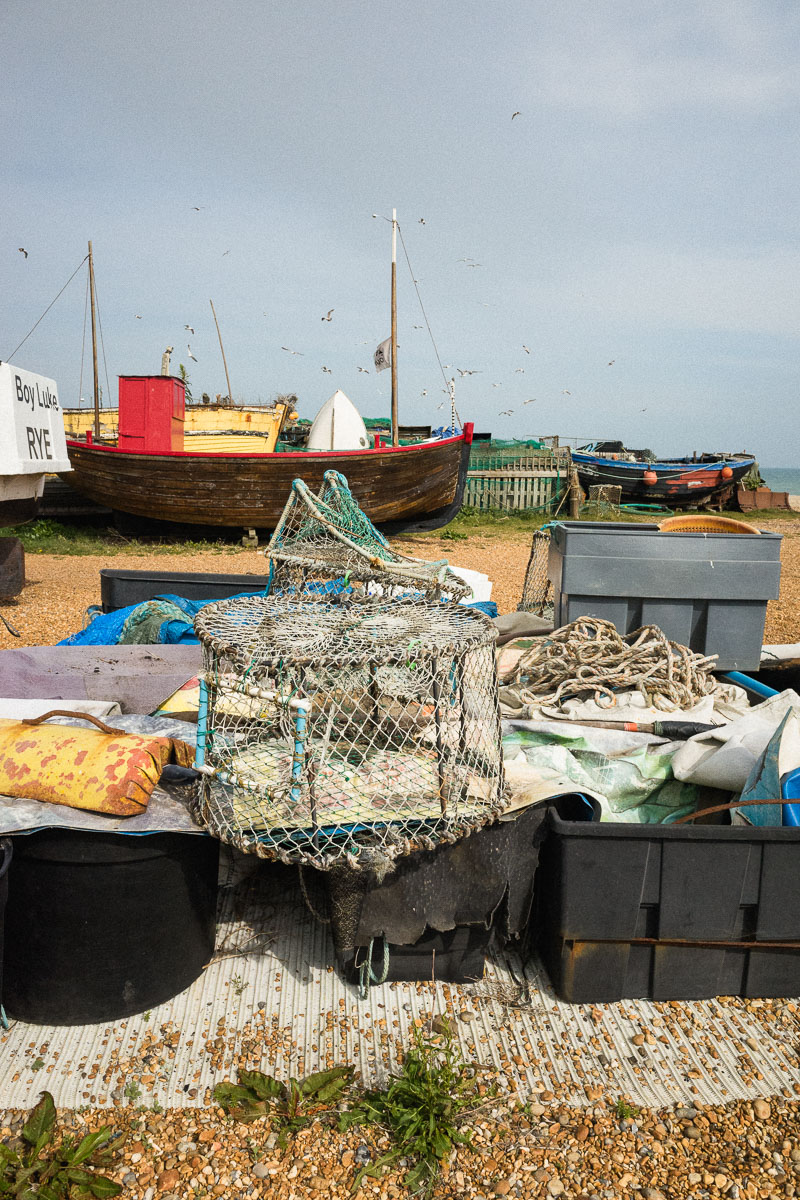
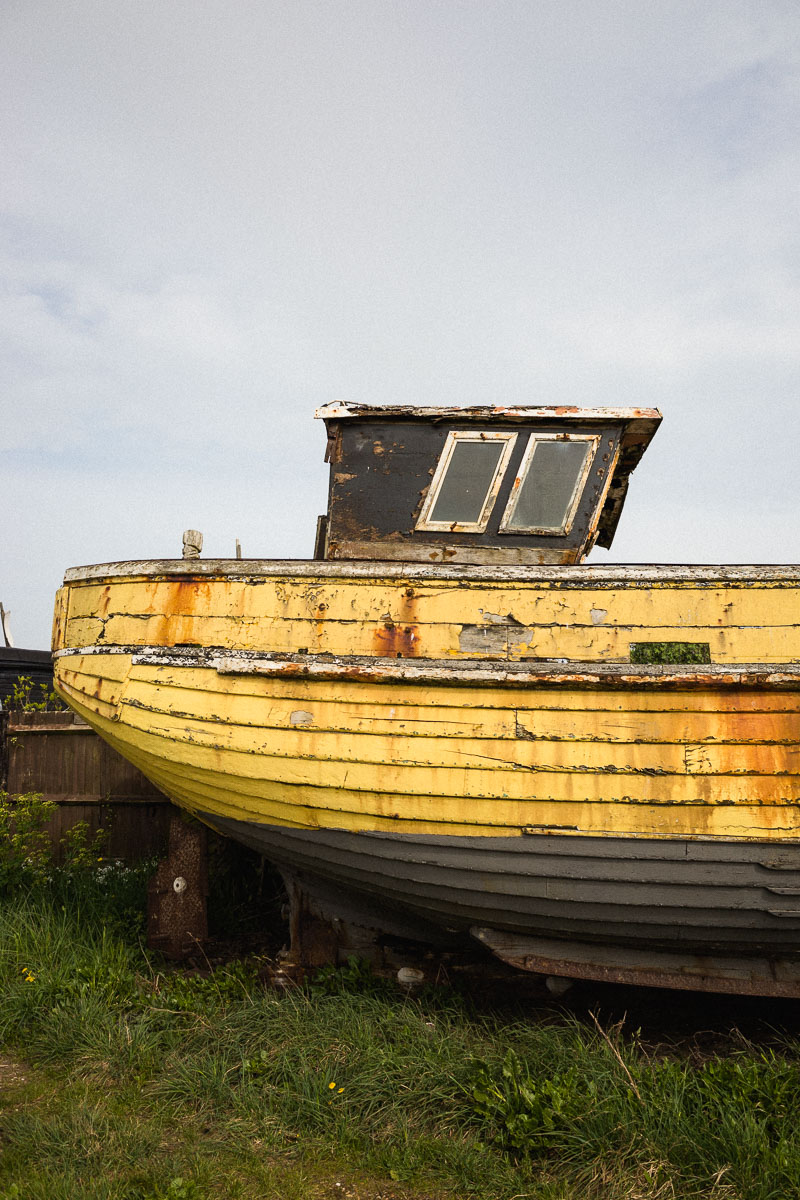
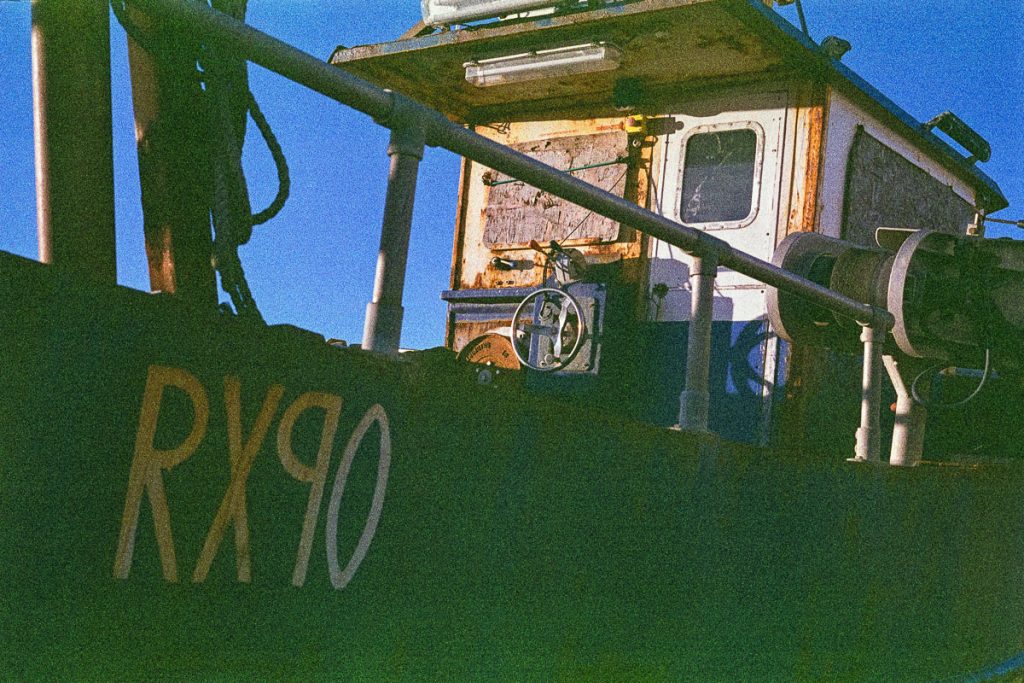
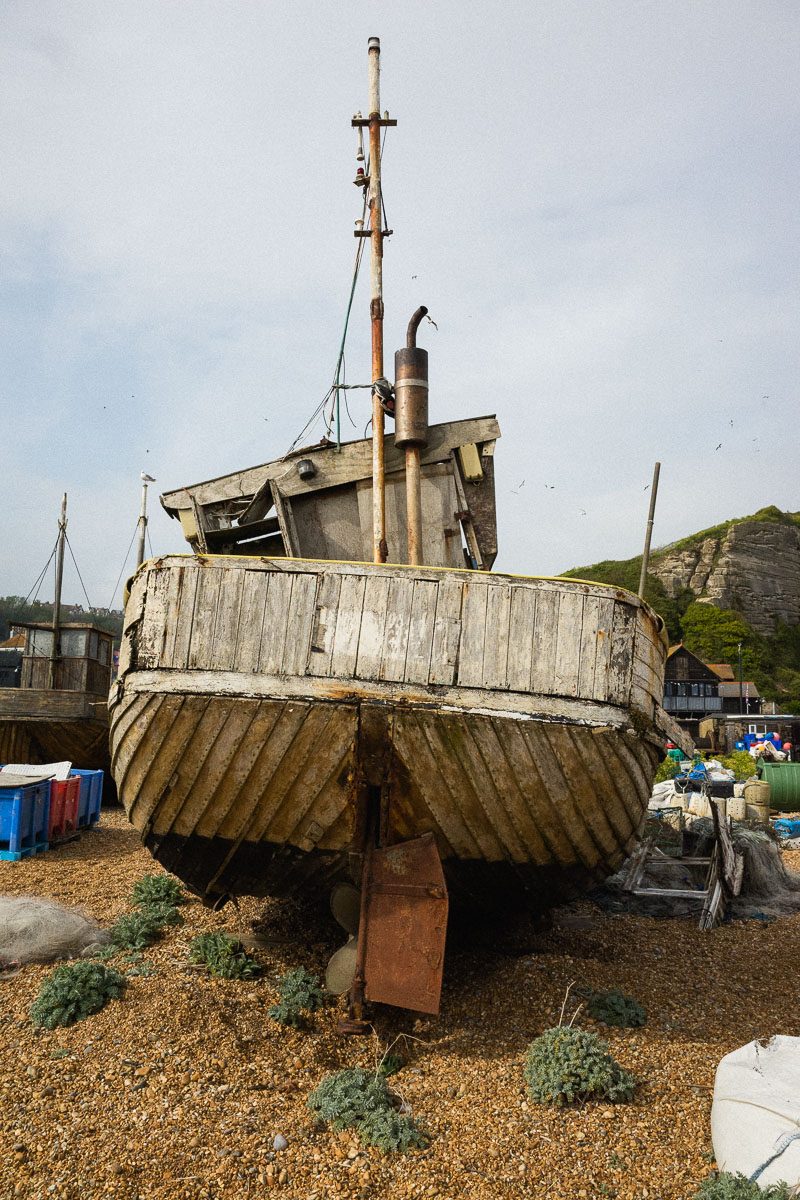
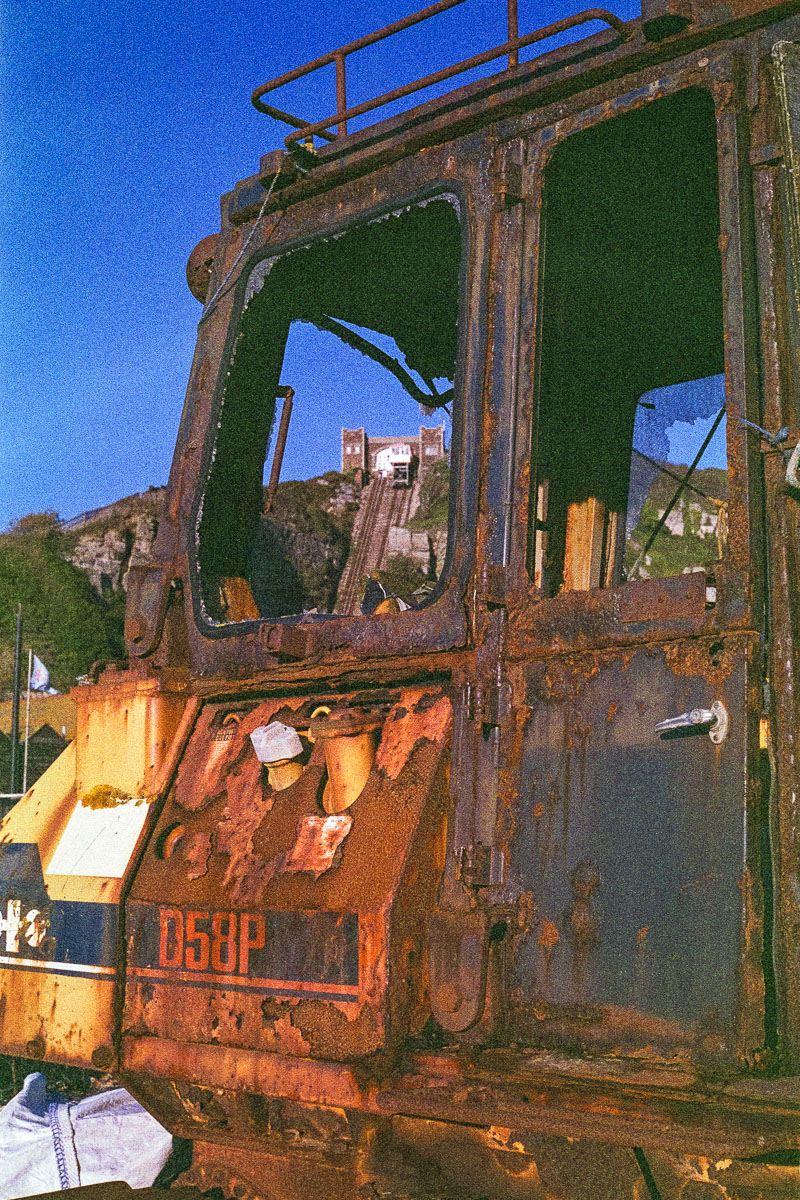
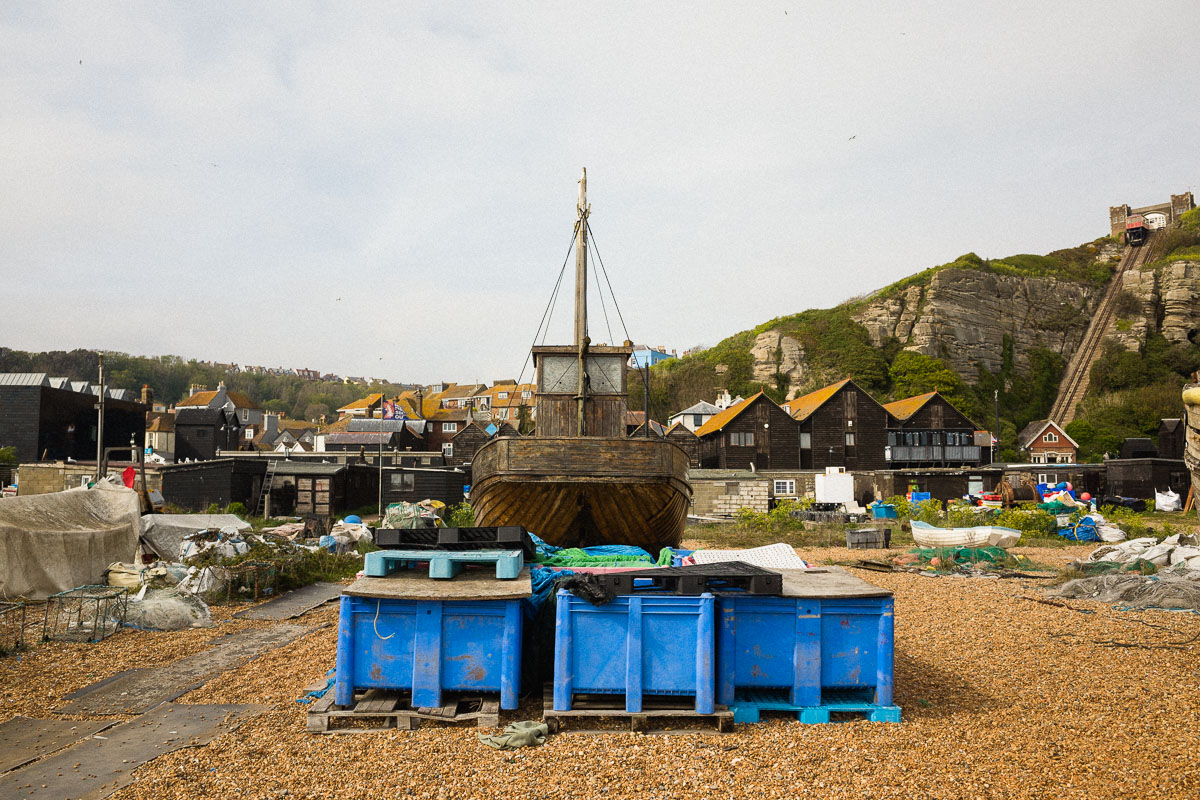
Scattered along the shoreline are old wooden fishing boats, rusting winches, weather-beaten equipment, and discarded machinery. Some boats remain active, while others have clearly reached the end of their working lives. Together, they create a visual landscape where past and present overlap.
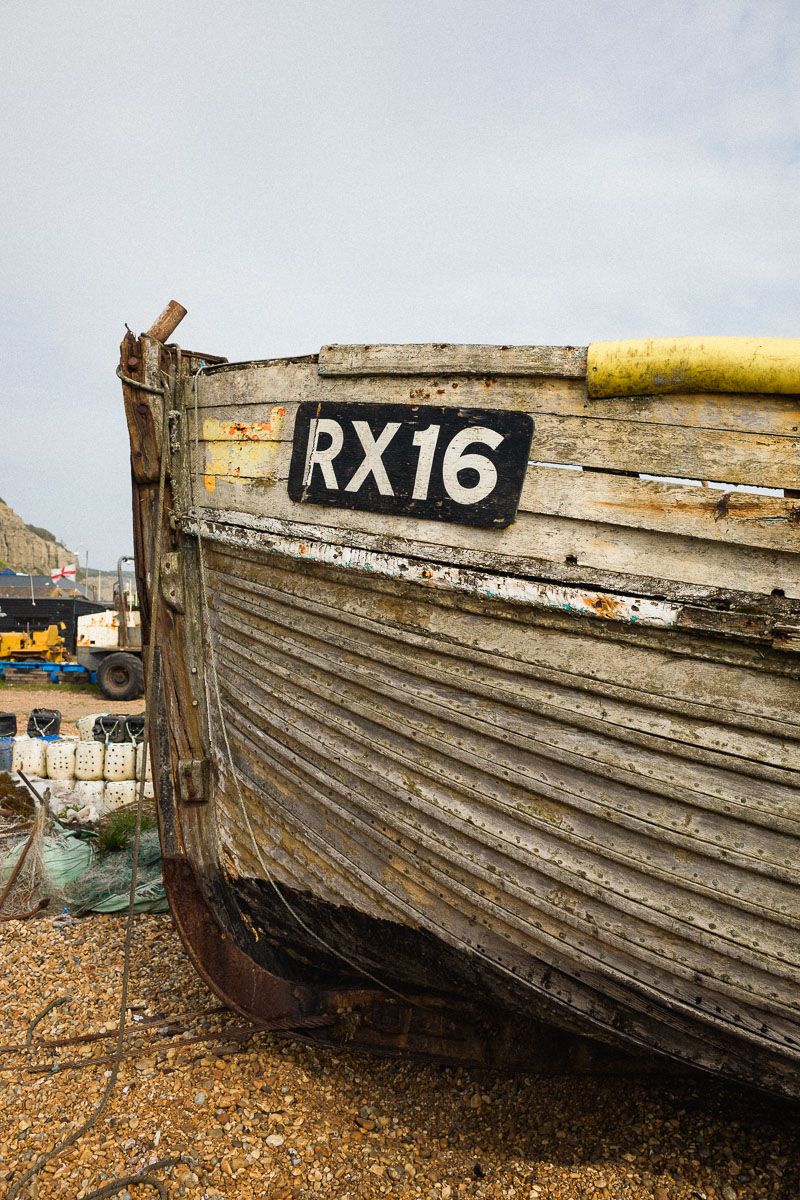
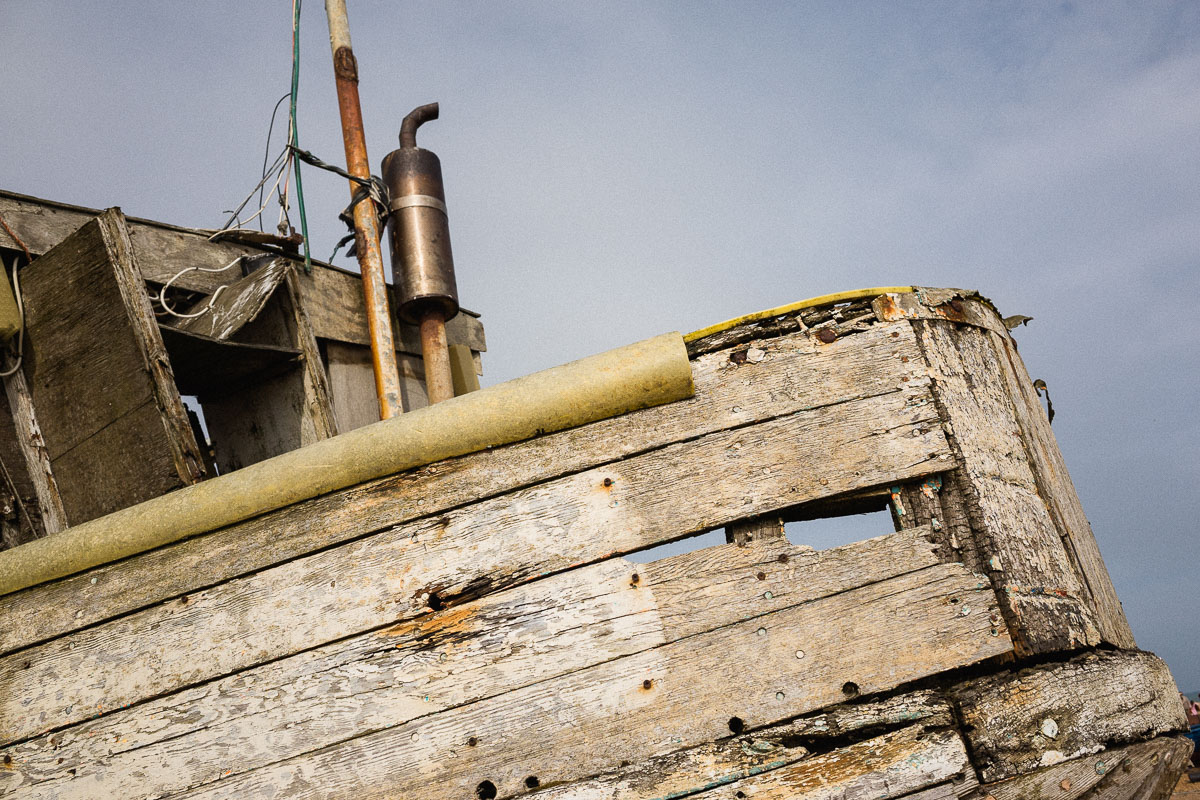
These objects are not relics or museum pieces. They are simply part of the working environment of a historic fishing community. Yet their worn surfaces—cracked paint, salt-stained wood, corroded metal—tell stories of years spent battling the elements.
For photographers, this creates rich visual opportunities, such as:
- layered textures of rust, wood, and peeling paint
- dramatic coastal light across weathered surfaces
- compositions that combine decay with an active fishing landscape
In a world where many public spaces feel polished and carefully curated, Hastings Beach retains a raw and honest character. The objects scattered along the shore quietly record the passage of time.
A Personal Connection to Hastings
My interest in photographing Hastings Beach is also personal. Many years ago, I studied at Hastings College, and returning to the town today brings a mix of familiarity and change.
The place has evolved, yet the character of the fishing beach remains remarkably resilient. Fishermen still pull boats up the shingle, equipment remains scattered along the shore, and the fishing community’s working rhythm continues much as it has for generations.
As both a documentary photographer and a psychology professor interested in how people relate to places, I find this combination particularly compelling. Walking along the beach today is not just an exercise in observation—it is also an encounter with memory.
Thus, photographing abandoned boats and disused equipment here becomes a way of reflecting on how places shape our experiences and identities over time.
Photographing Abandonment on Hastings Beach
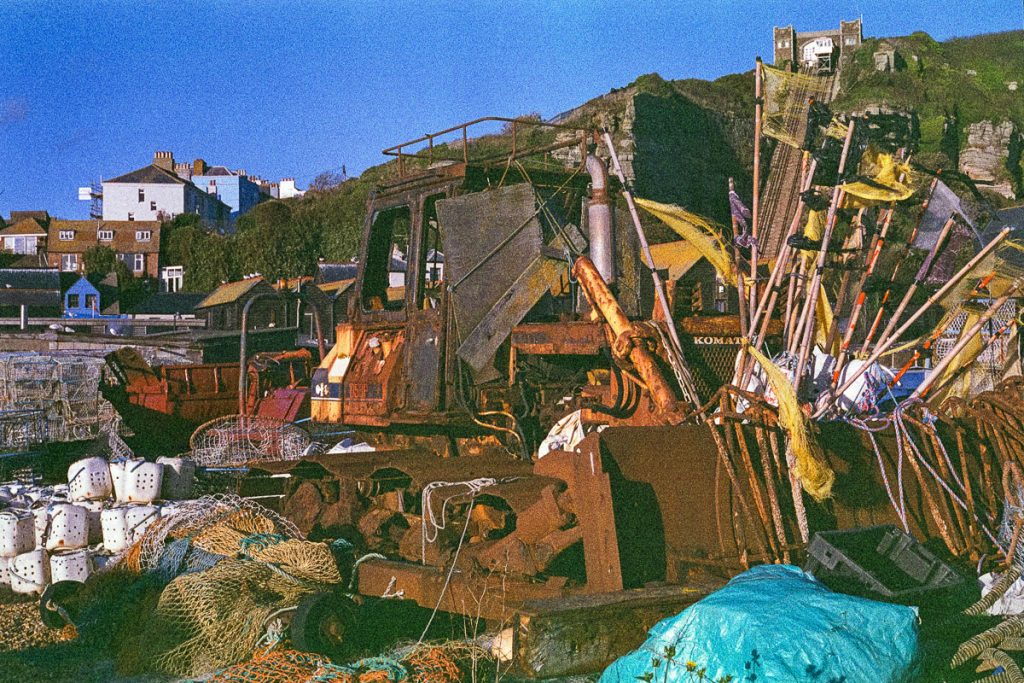
The photos in this post capture small moments along Hastings Beach that are easy to overlook. Among the scenes I documented were:
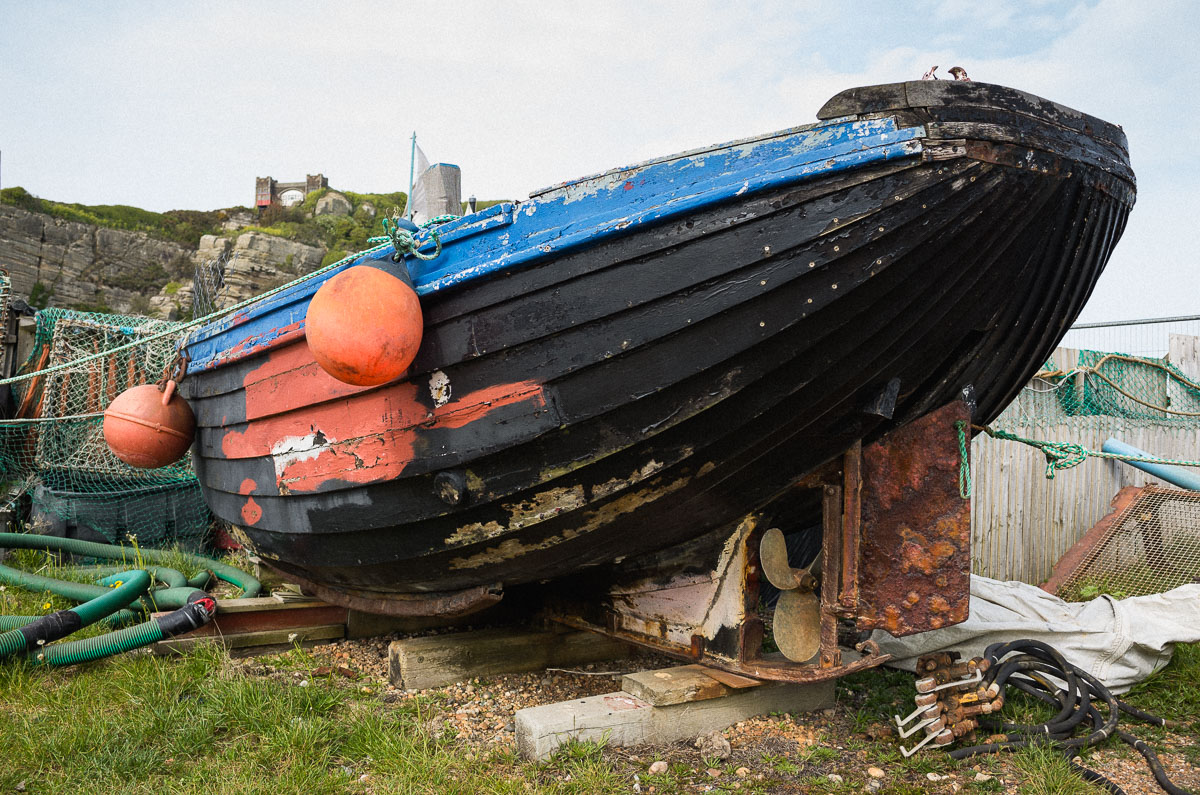
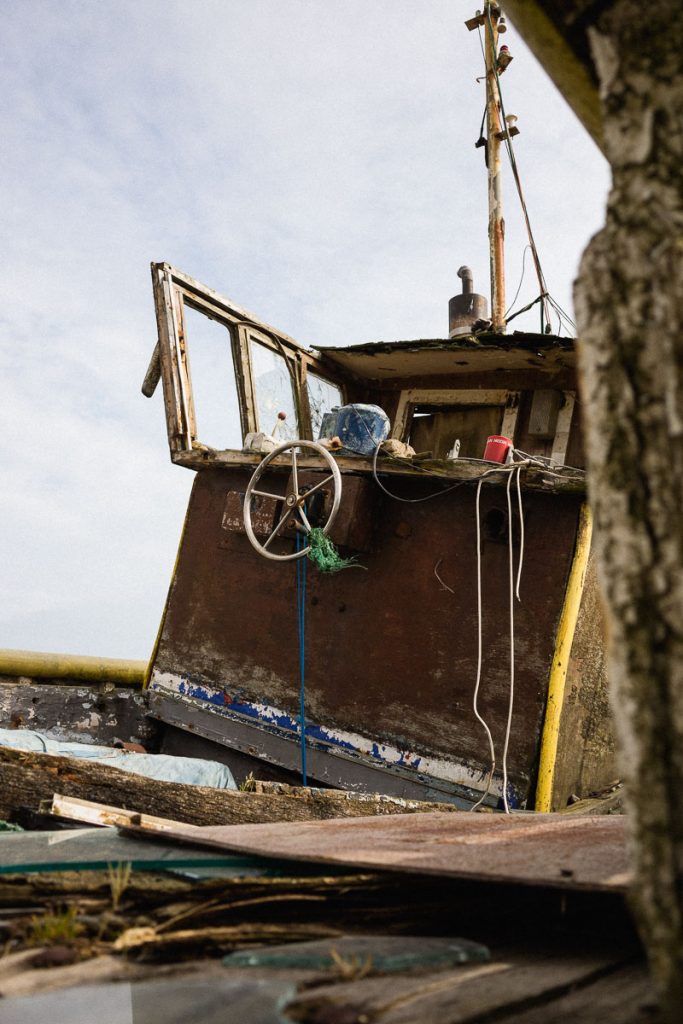
- weathered fishing boats leaning into the wind
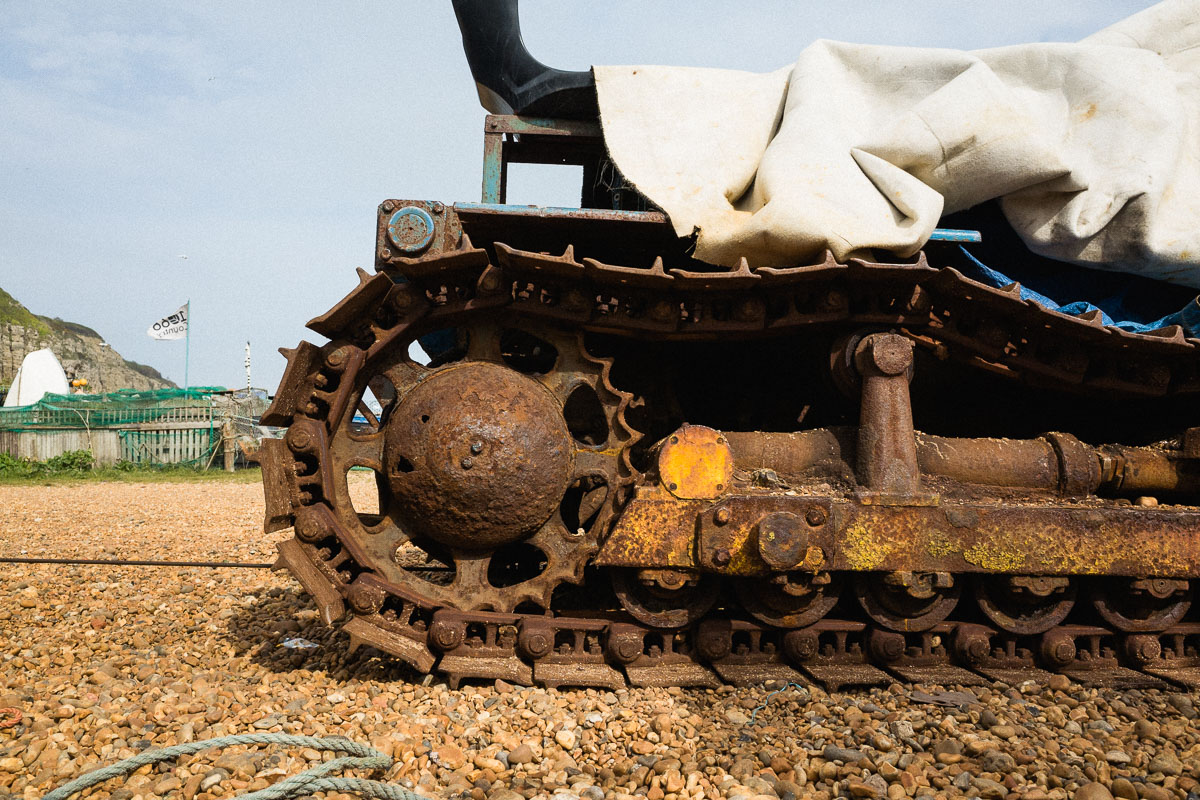
- rust-covered machinery partially buried in shingle
- discarded nets and cages stacked beside working vessels
- old bulldozers and winches once used to haul boats ashore
Consequently, each object shows the marks of years spent exposed to the sea and weather. Cracked paint, worn timber, and corroded metal reveal the slow erosion of time.
Yet these objects also represent something more than decay. They are reminders of the labour, skill, and community that have defined Hastings’ fishing heritage for generations.
For photographers interested in abandonment, Hastings Beach offers a compelling balance: a working coastline where traces of the past remain visible in everyday life.
Final Thoughts
In short, abandonment photography is not simply about decay. At its best, it is about documenting the quiet traces people leave behind—objects that carry stories long after their original purpose has faded.
Hastings Beach offers an ideal setting for this kind of photography. Between the active fishing boats and the weathered remains of older vessels, the shoreline becomes a visual record of time, labour, and place.
So, for photographers willing to slow down and look closely, the beach reveals a rich collection of subjects shaped by history, weather, and memory.
PHOTO DETAILS
Location: Hastings, East Sussex
Date: April 2025
Camera: Ricoh GR (I also took several images using 35mm film)
Thank you for looking.