What do scientists do all day? Much scientific research happens behind the scenes, out of public view. But behind closed laboratory doors, researchers across the natural and social sciences use specialised equipment and careful observation to investigate questions about the world around us.
As a research psychologist at the University of Birmingham, I spent the early part of my career exploring the relationship between brain activity and human behaviour. My research used techniques such as electroencephalography (EEG), functional magnetic resonance imaging (fMRI) and transcranial direct current stimulation (tDCS) to study the neural basis of motor control and cognition in health, ageing and disease. This experience gives me a good understanding of the work involved. For this project, I photographed the scientists and equipment at the University’s Centre for Human Brain Health, offering a glimpse into their working lives.
Inside a Brain Imaging Centre
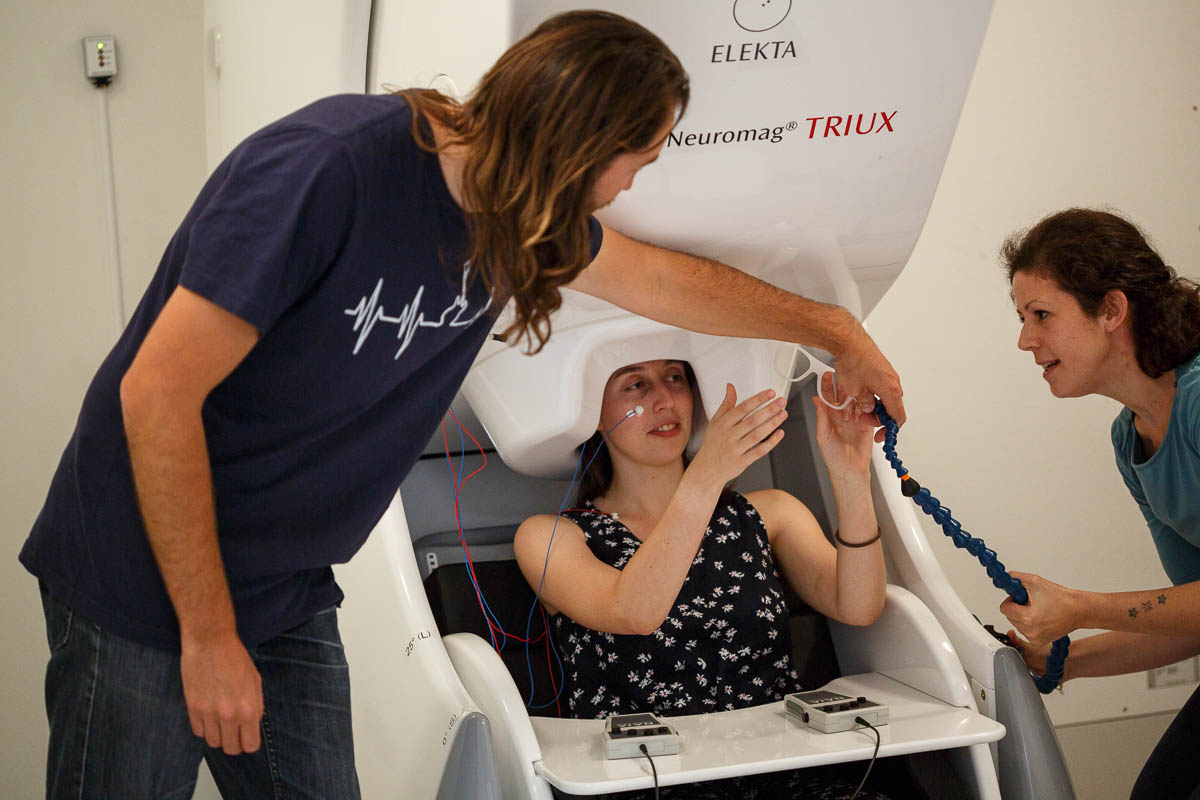
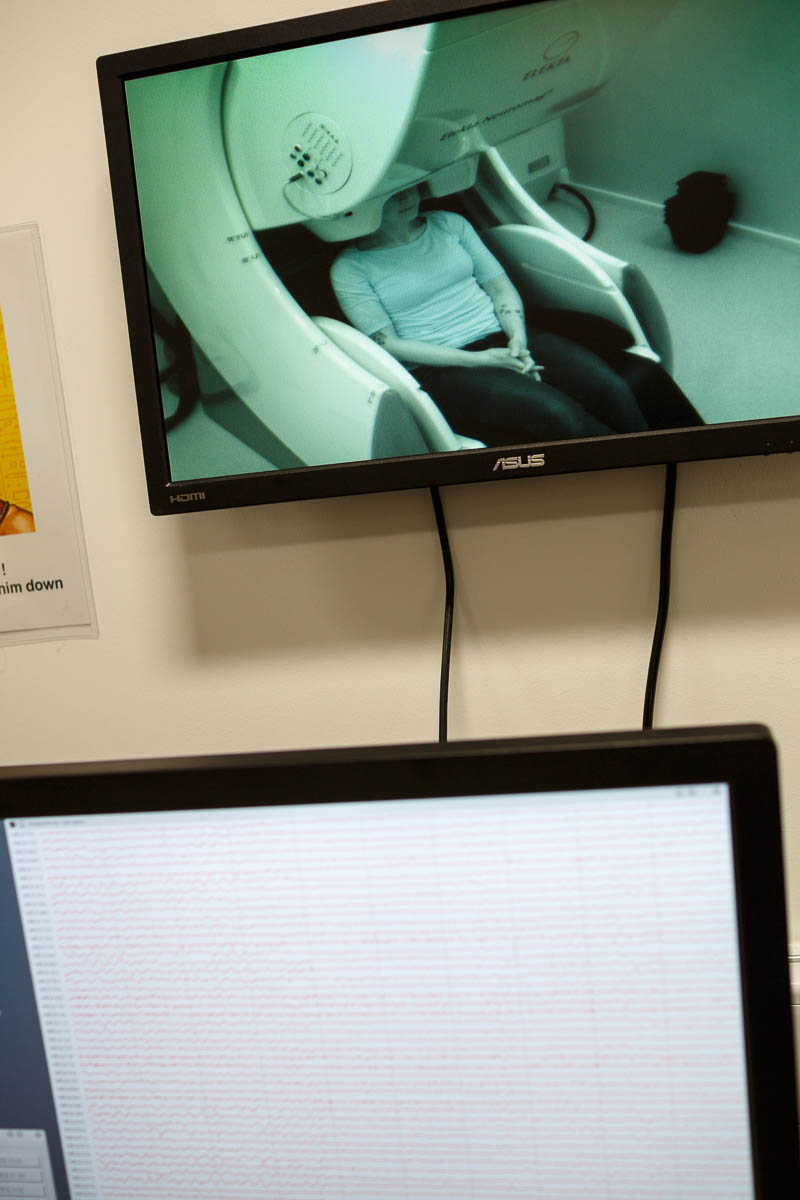
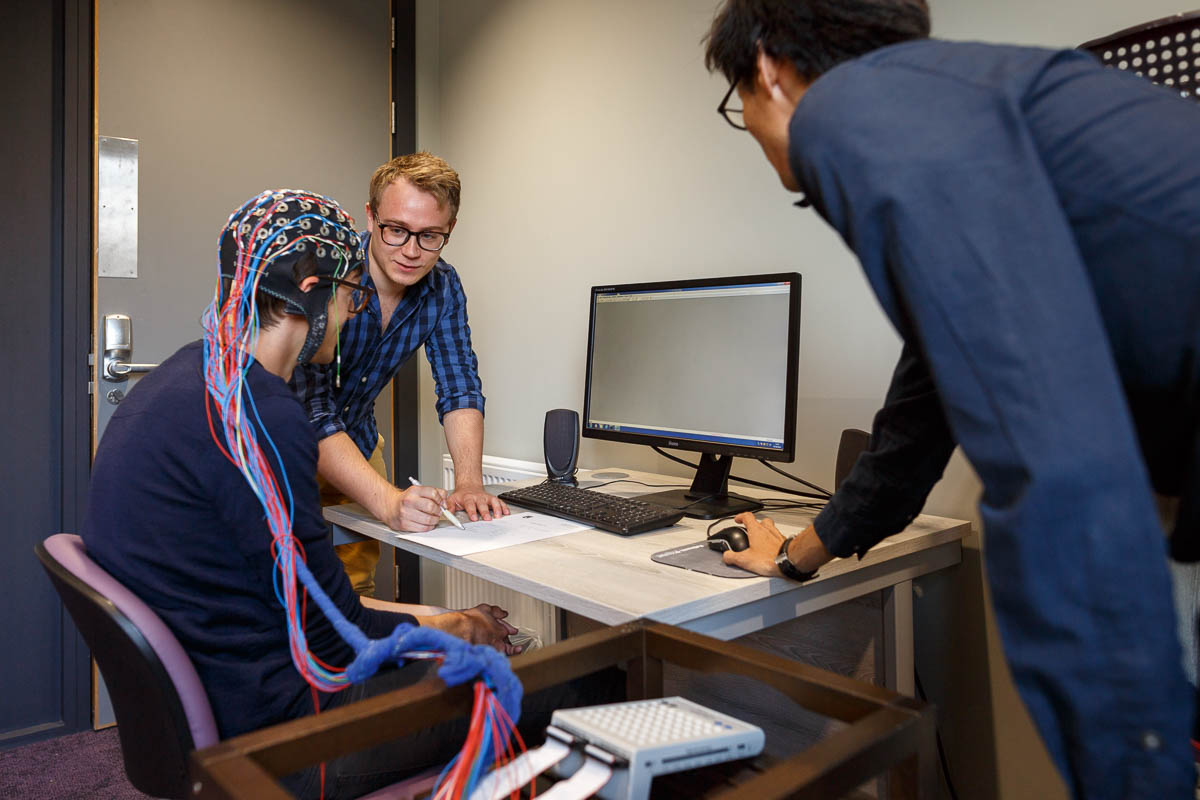
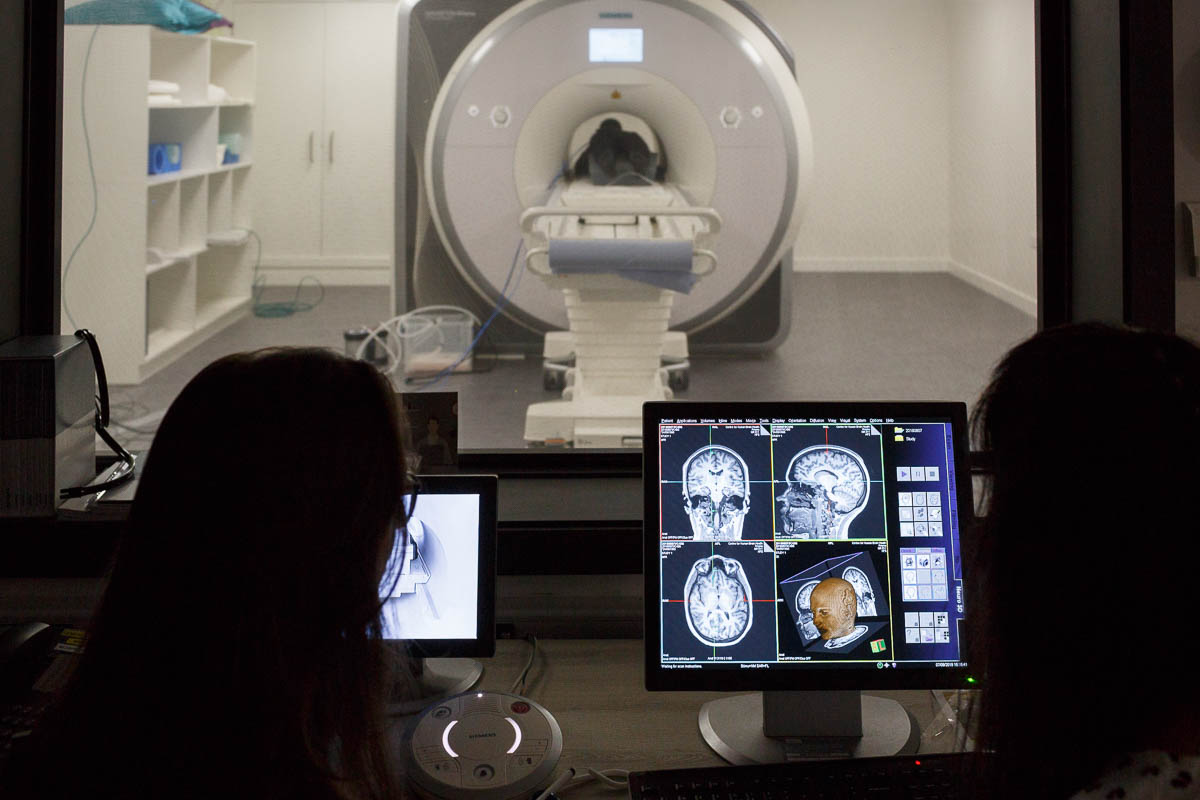
The photos feature a range of techniques used to study the human brain. Magnetoencephalography (MEG), for example, maps the magnetic fields generated by neural activity, while EEG records the brain’s electrical signals. These techniques help researchers study movement, cognition and the different stages of sleep.
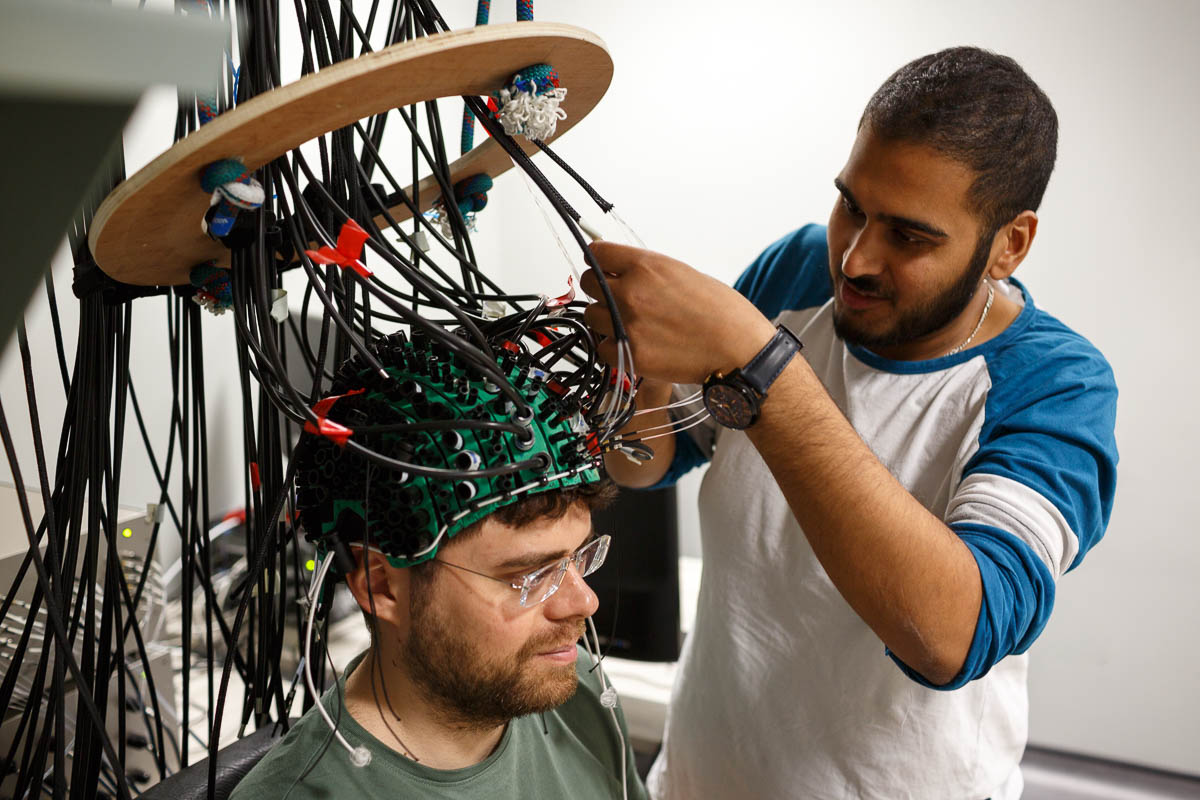
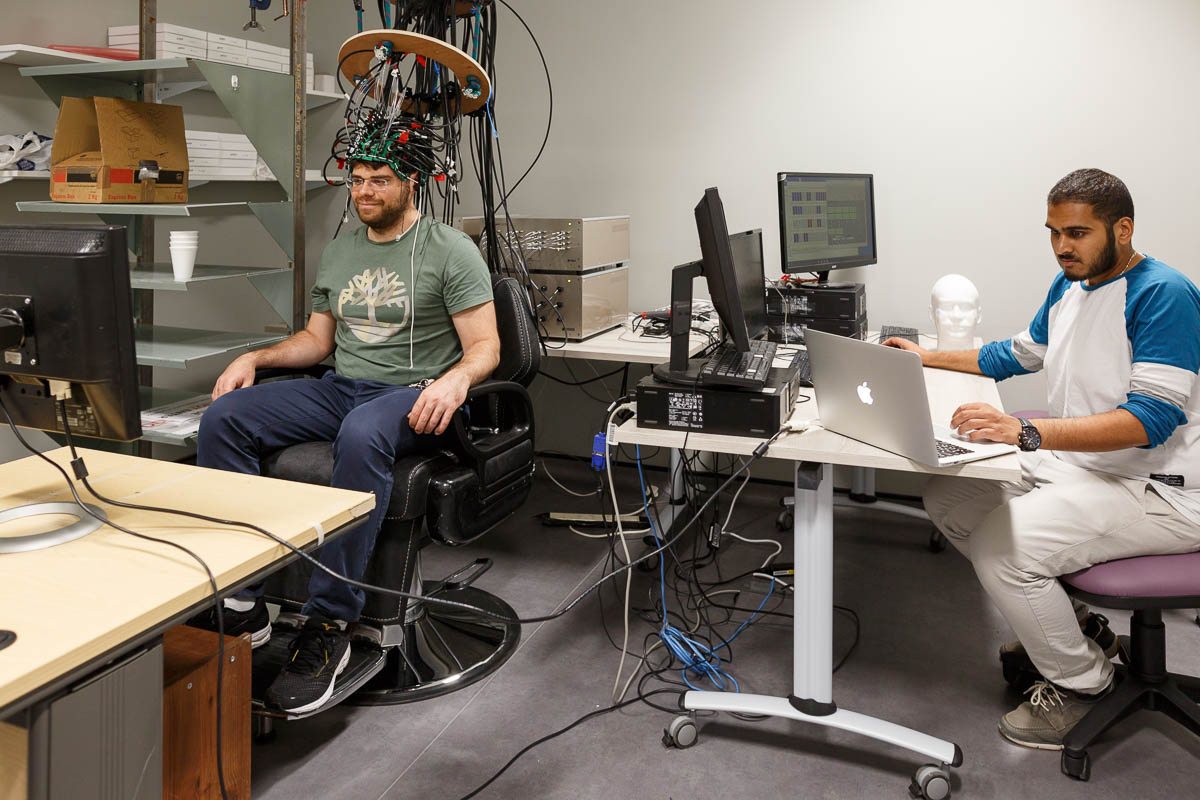
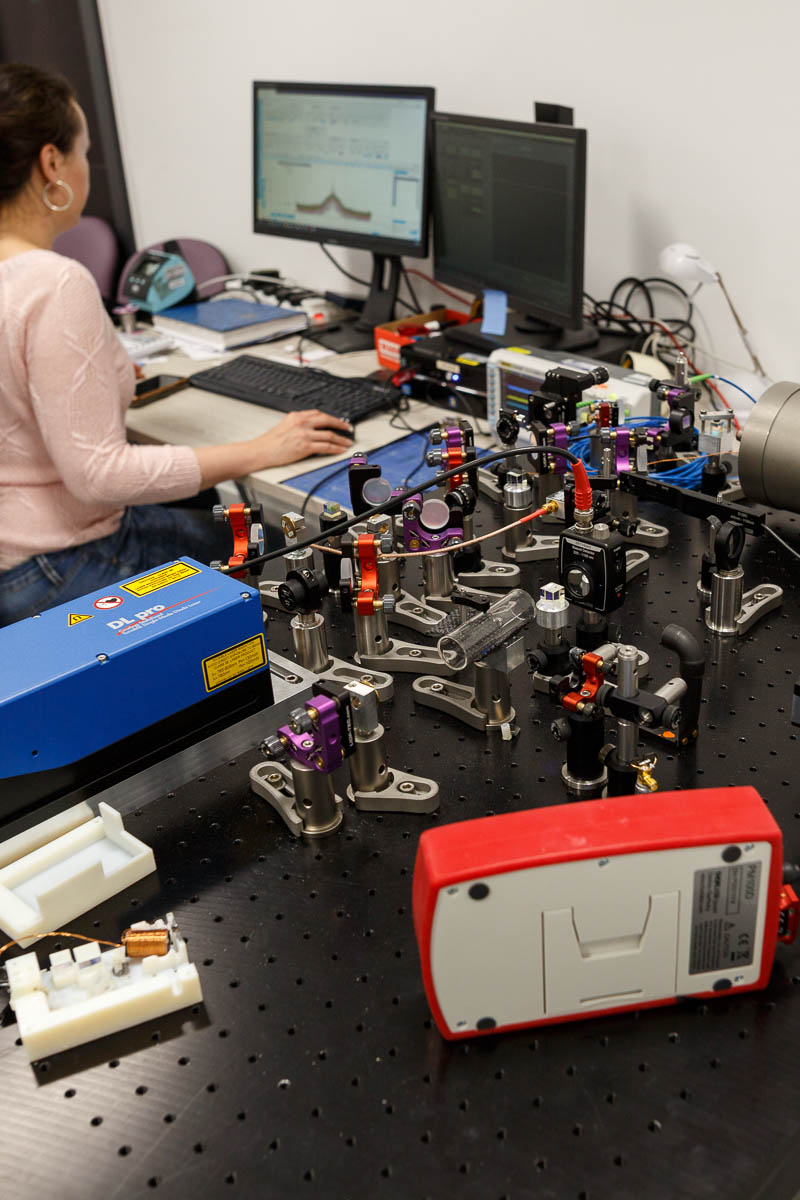
High-Density Diffuse Optical Tomography (HD-DOT) offers another approach, using near-infrared light and a lightweight cap to monitor changes in blood oxygenation. Elsewhere, fMRI maps brain activity through changes in blood flow and oxygen levels. More experimental approaches, including quantum optics, explore new ways to observe and measure brain activity.
What Do Scientists Do Behind the Scenes?
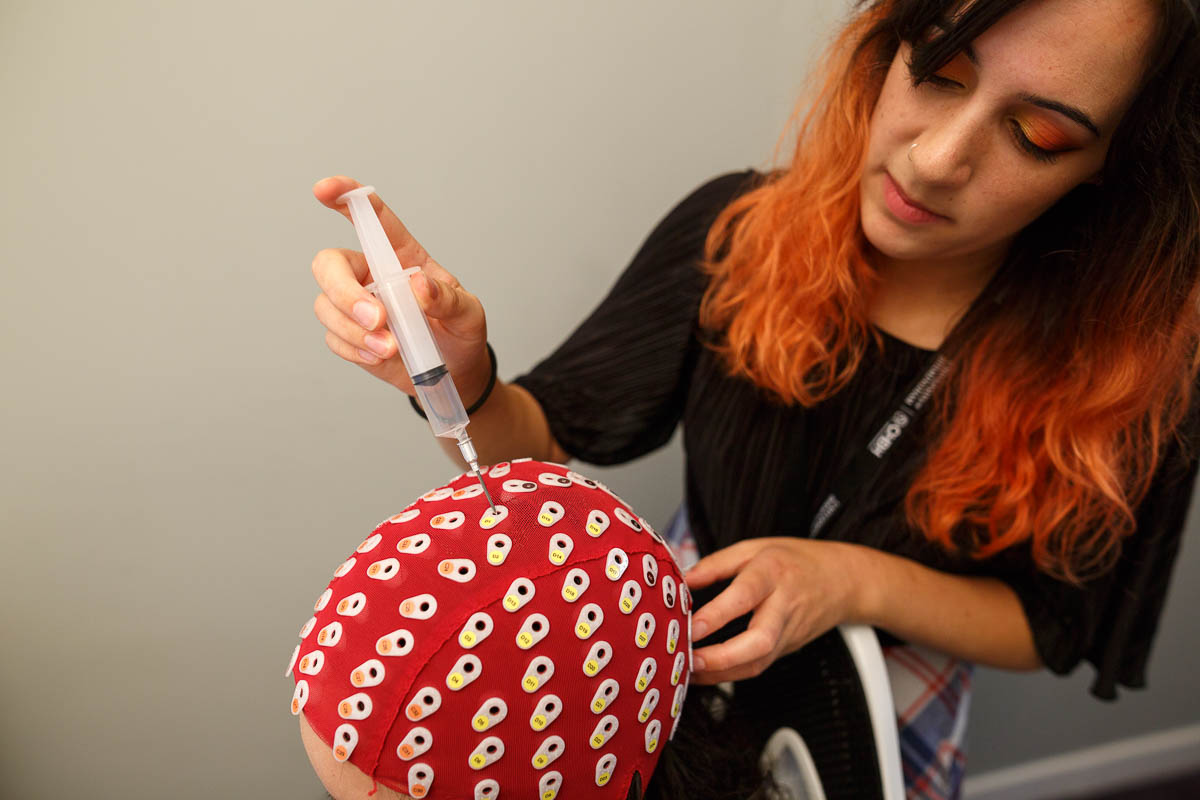
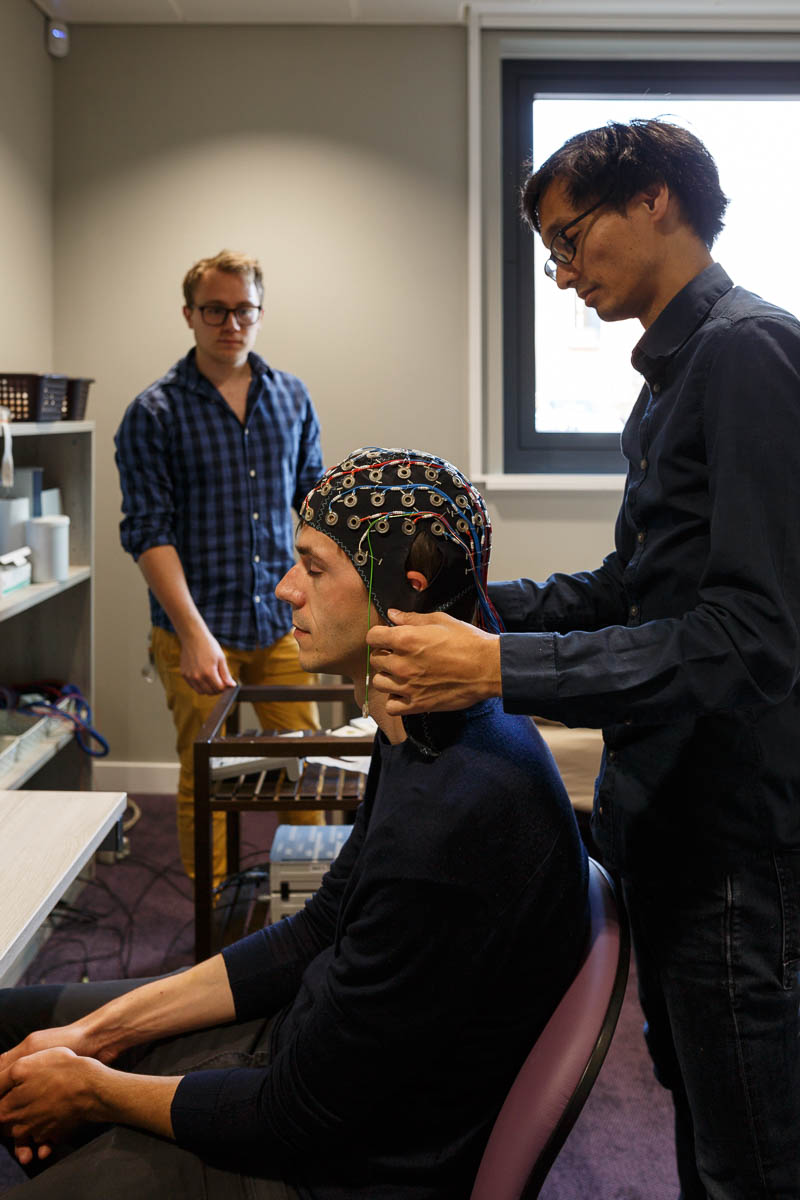
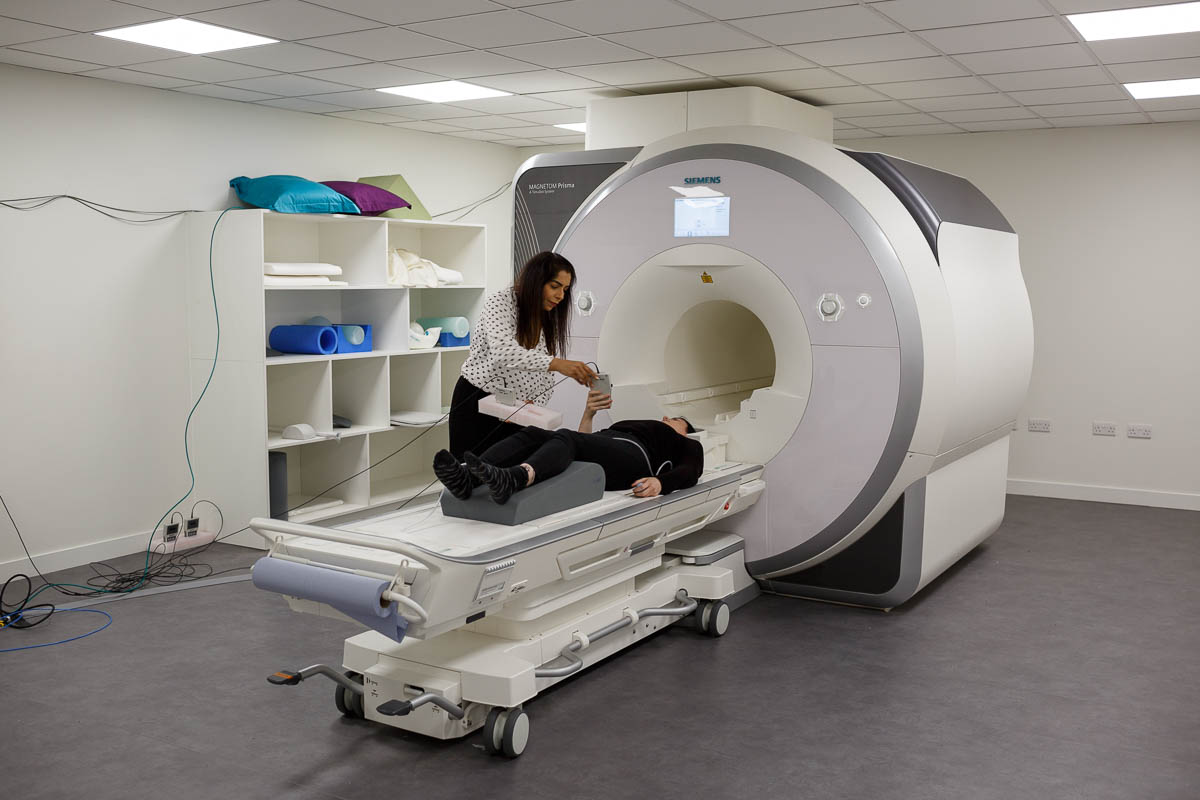
I wanted to capture more than the equipment itself. The images show scientists and radiographers preparing experiments, assisting participants and monitoring brain activity. In the MEG suite, a scientist helps a participant settle inside the scanner before recording begins. Elsewhere, researchers apply electrode gel, fit EEG caps and position electrodes before recordings. Even signing a consent form is an important part of preparing for a research study.
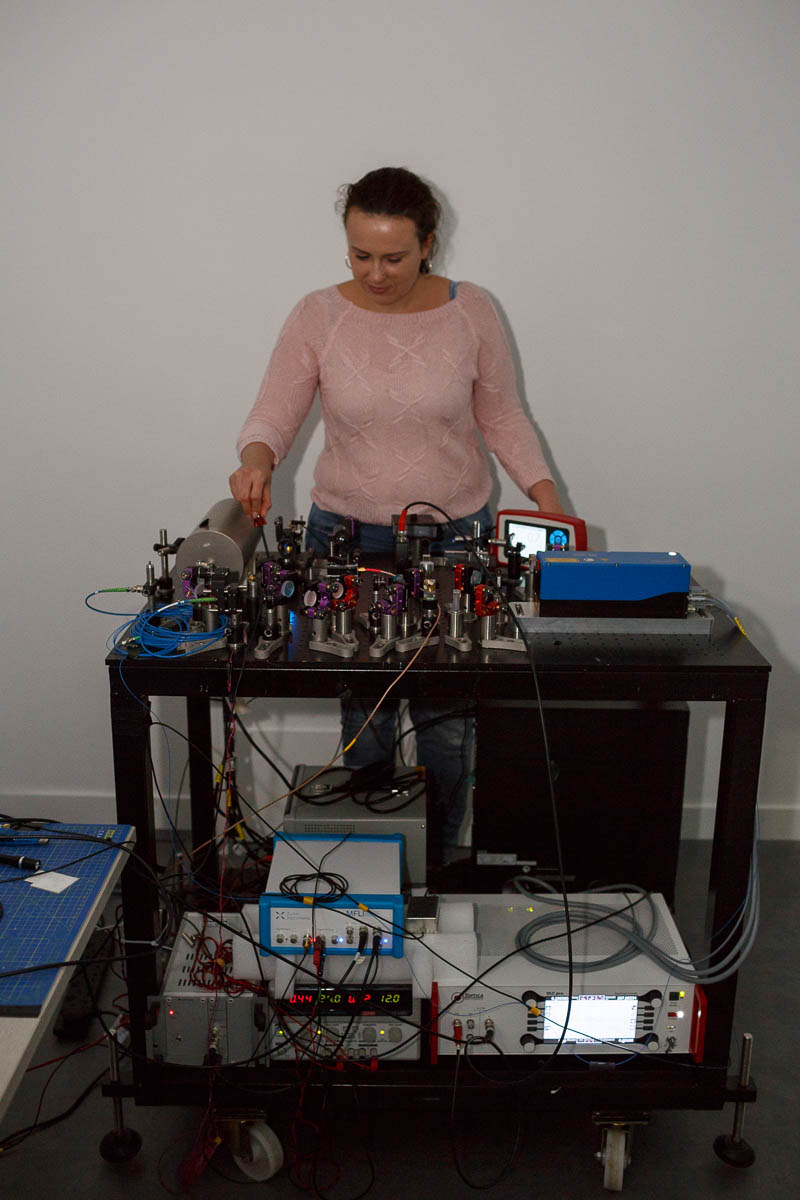
Other photos show scientists overseeing HD-DOT studies and working with optical equipment used in quantum research. Mirrors, mounts and lasers fill an optical table, revealing the precision these neuroimaging experiments involve. Meanwhile, the radiographer helps participants prepare for fMRI sessions and sets up the MRI scanner for recording.
Together, these scenes offer a glimpse of the practical work that makes neuroscience and psychology research possible, from setting up equipment to working with research participants. Much of this activity happens out of public view, but it is an everyday part of life inside a modern research centre.
Final Thoughts
These photos reveal a side of science that most people rarely see. Beyond the technology and measurements are the people who prepare the equipment, carry out the work and ask the questions that drive scientific research. Every experiment starts with a question, but finding an answer takes more work than we might expect.
Project Details
Location: Centre for Human Brain Health, The University of Birmingham
Date: August 2019
Camera: Canon EOS 5D Mark III
Lens: EF35mm f/1.4L USM
Explore more of my documentary photography projects, featuring the people, places and candid moments that catch my eye.


