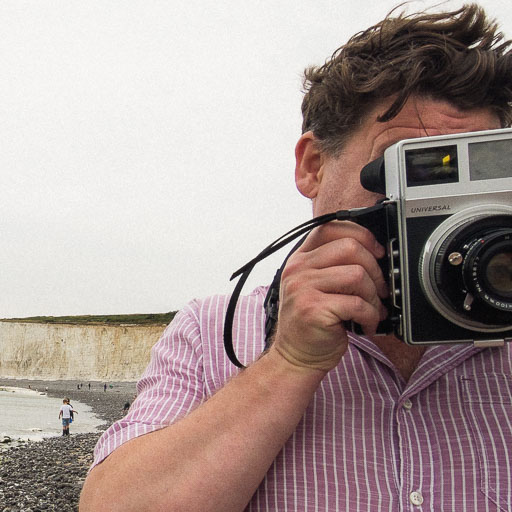
As a photographer who has spent years observing how people photograph themselves—and as a psychology professor—I wrote this post to explore why some selfies feel authentic and confidence-boosting while others feel forced or artificial.
Drawing on ideas from psychology, portrait photography, and everyday experience, I’ll explain the psychology behind a good selfie and share simple ways to take selfies that feel more natural, expressive, and genuine.
Thus, this guide isn’t about achieving perfection. It’s about understanding how lighting, angles, and mindset shape the way we see ourselves—and how others see us too.
How Psychology Shapes the Way We Take Selfies
Every selfie is a small act of self-presentation. When you lift your phone, you’re not just capturing a face—you’re making choices about how you want to appear and how you remember the moment.
Three simple factors shape how a selfie feels:
Lighting – Natural light tends to produce softer, more flattering tones. It also makes photos feel more honest and less artificial.
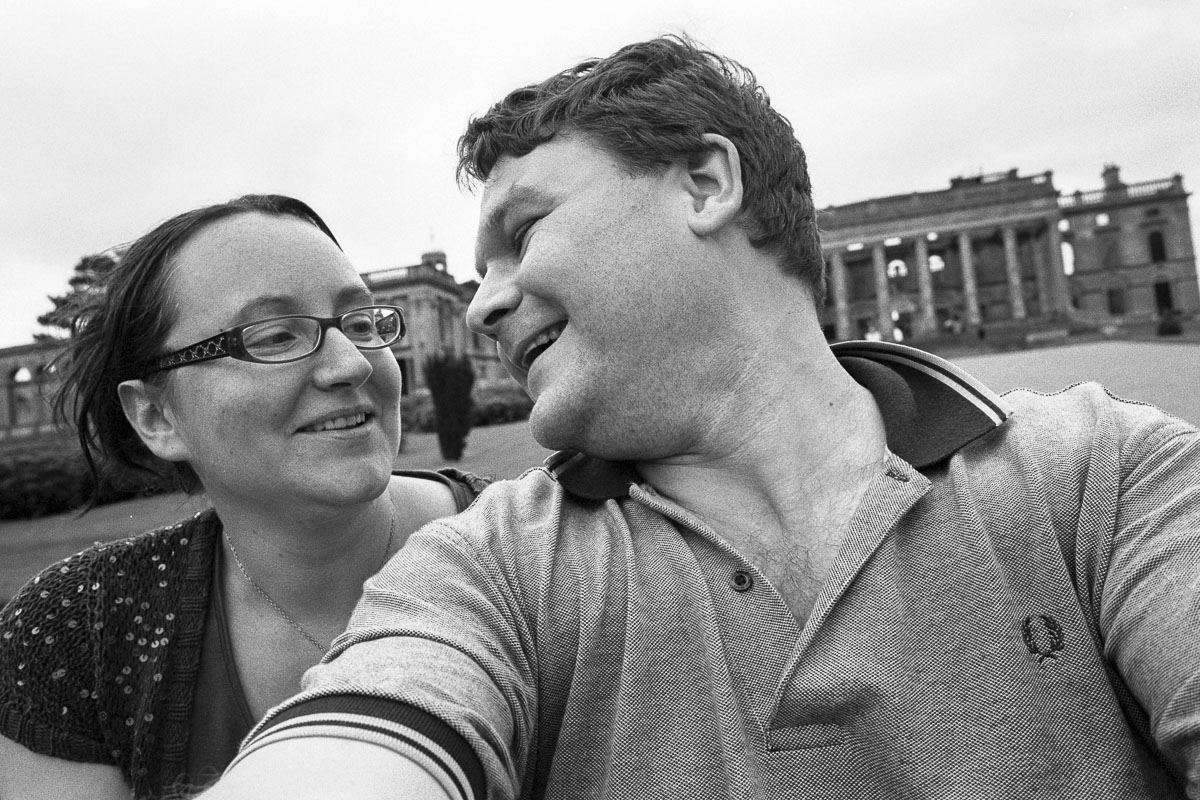
Angle – Photos taken at eye level usually make people appear more approachable and genuine. Slightly turning your face—often toward the left side—can add subtle emotional depth, because the brain’s right hemisphere, which processes emotion, controls the left side of the face.
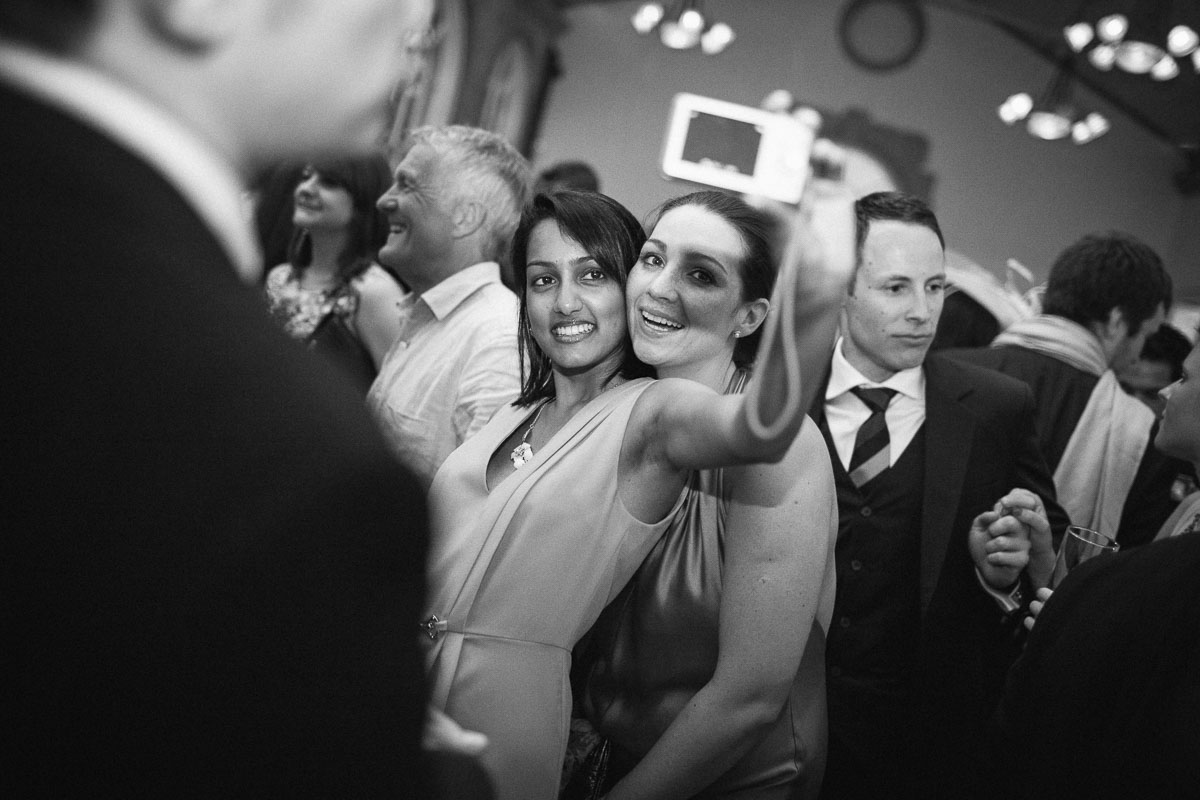
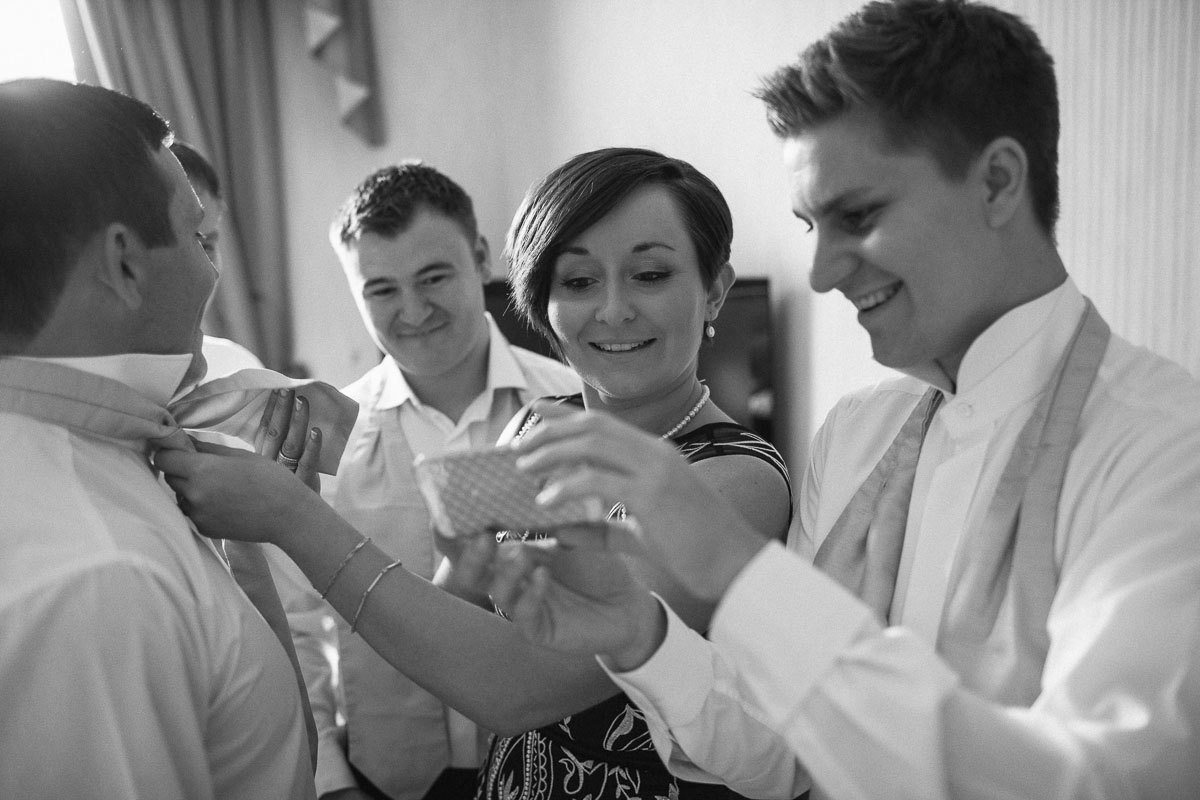
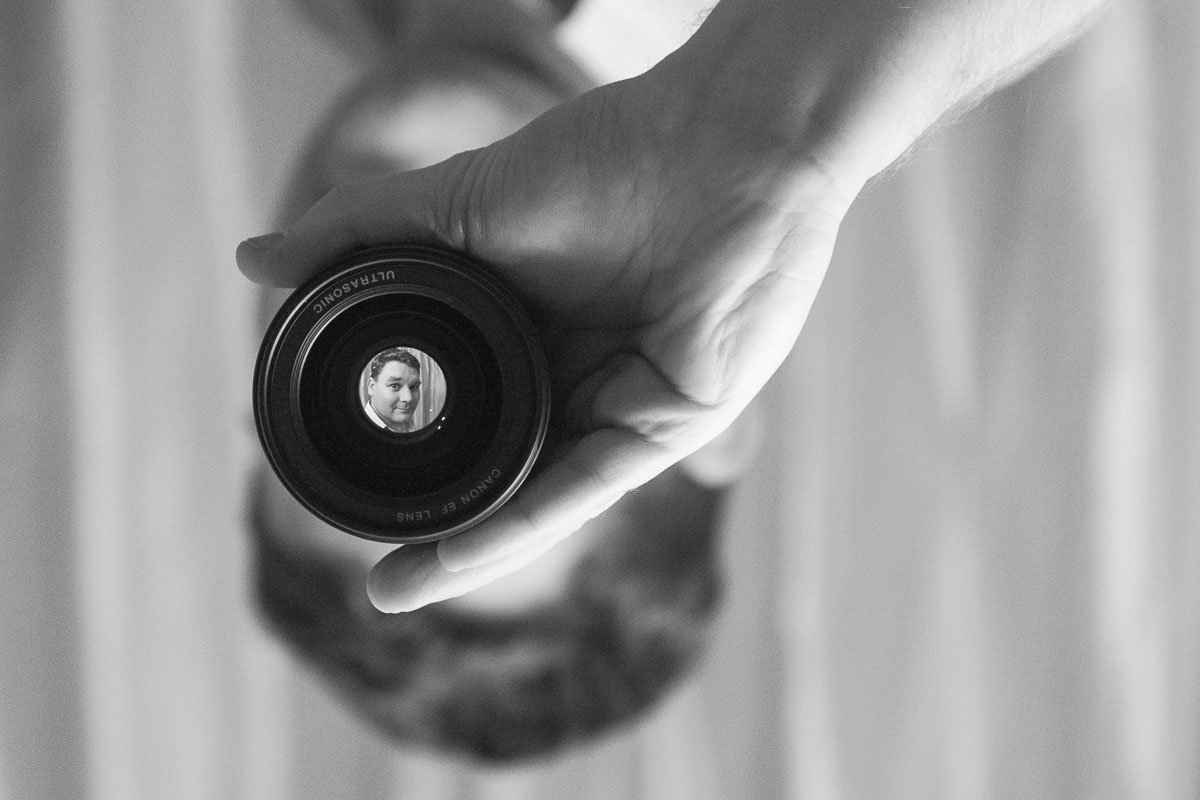
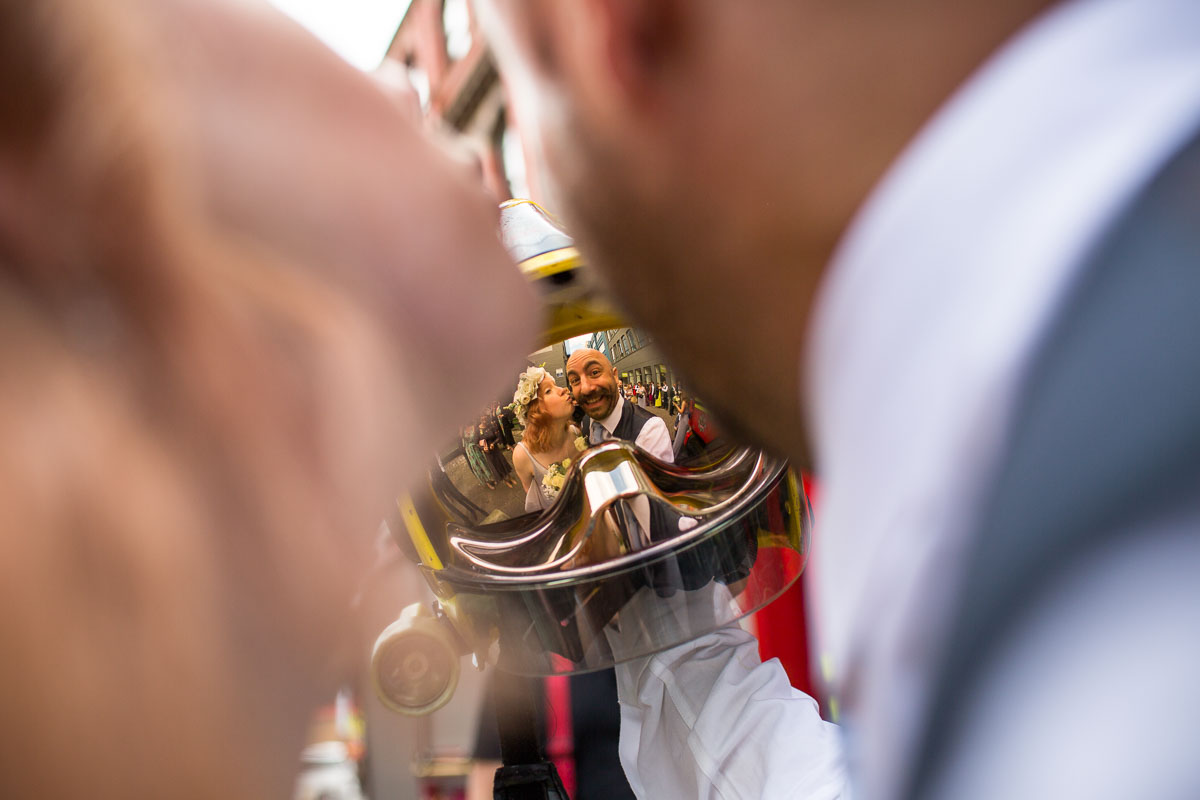
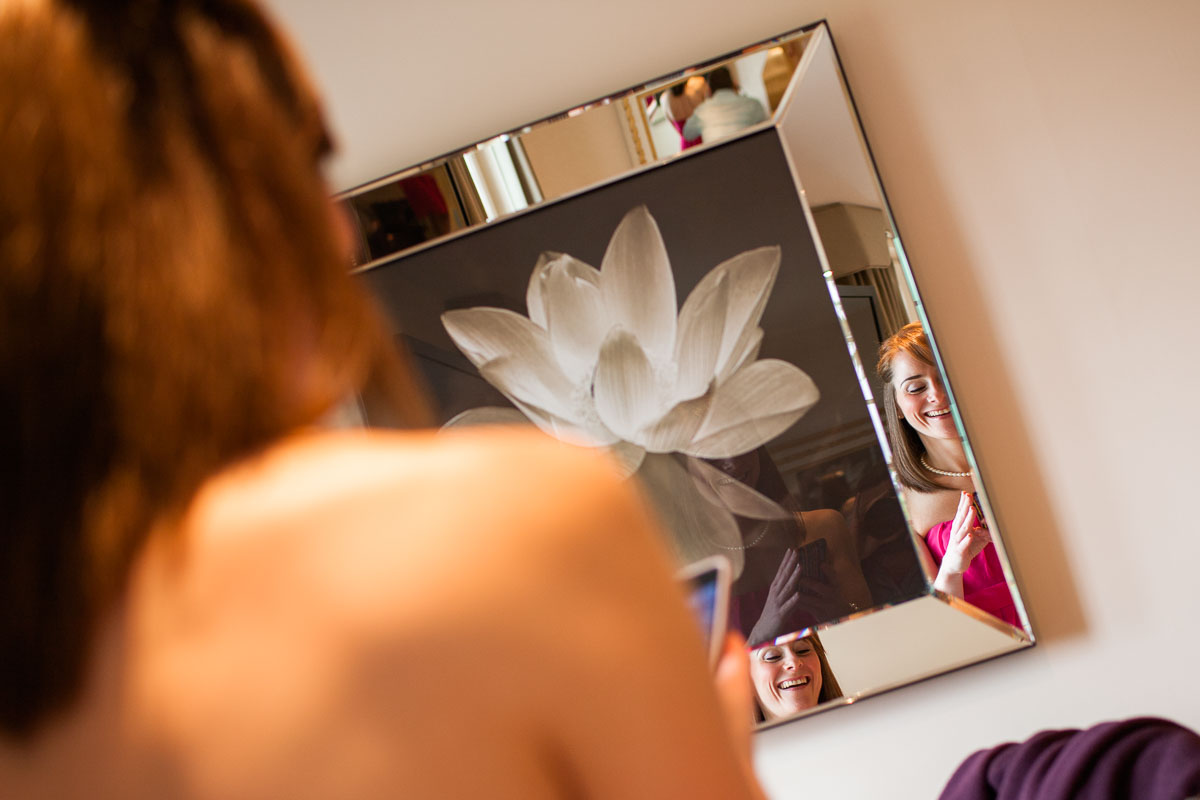
Context – Backgrounds, framing, and the situation itself influence how a selfie is perceived. Sometimes the most meaningful images happen spontaneously—like a couple laughing together at a wedding rather than posing perfectly.
Why We Take Selfies
From a psychological perspective, selfies serve several important functions in everyday life.
- Self-exploration – Looking at photos of ourselves can help us reflect on who we are and also how we feel.
- Image control – Selfies allow people to choose how they present themselves to others.
- Self-cultivation – Over time, selfies capture the evolution of our identity.
- Communication – Sharing selfies helps people stay socially connected.
- Agency and presence – Taking a photo of ourselves can help us feel more present and in control of a moment.
Research suggests that authentic images tend to support healthier self-perception, while heavy editing and excessive filters can sometimes encourage unhealthy comparisons or self-criticism.
That’s why simple, natural selfies often feel better—both for the person taking them and for the people viewing them.
Practical Tips: How to Take Good Selfies Naturally
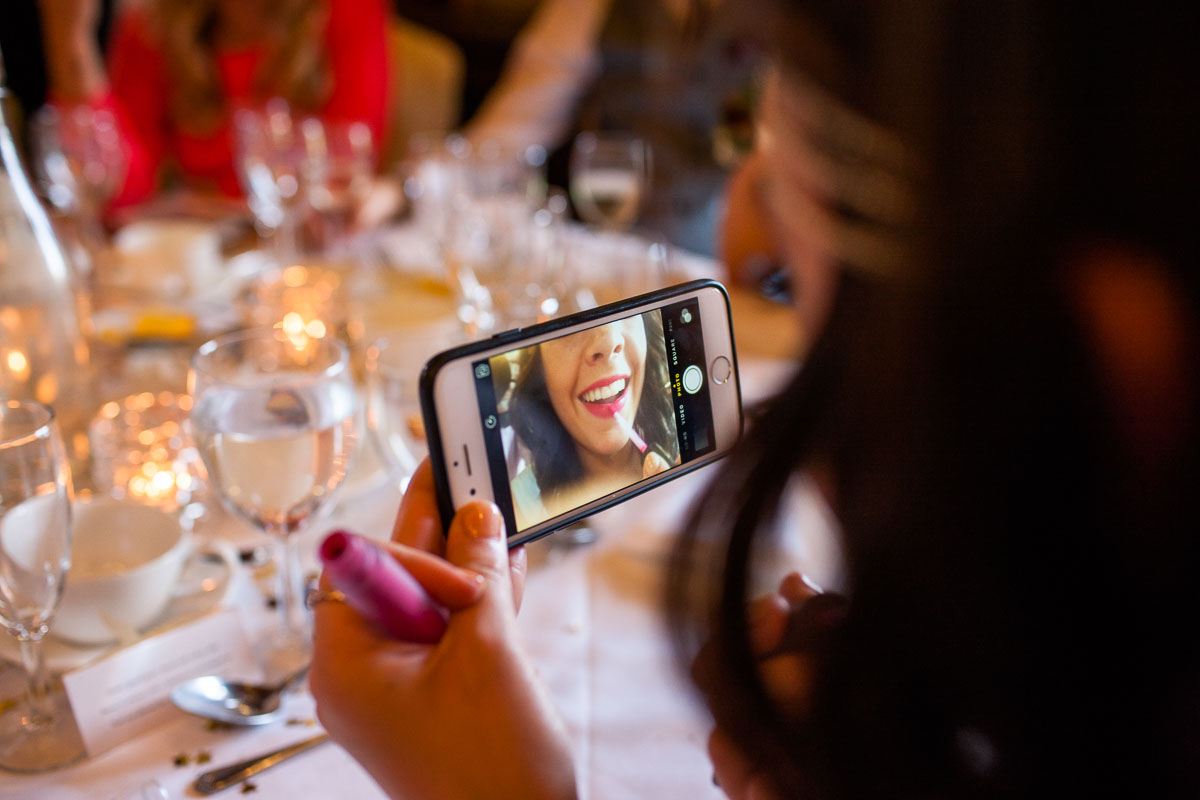
Based on both photography practice and psychological research, a few small choices can dramatically improve your selfies.
- Show Your Left Side – Slightly turning your left cheek toward the camera can increase emotional expressiveness.
- Use Natural Light – Soft, diffuse lighting produces the most natural and flattering results.
- Shoot at Eye-Level – Eye-level shots make faces appear more trustworthy and relatable.
- Experiment with Composition – Most selfies centre the face. Yet trying different framing techniques—such as the rule of thirds—can add visual interest.
- Edit Less, Express More – Heavy editing can harm self-esteem, while authentic selfies are confidence-boosting.
- Think About the Feeling – Intent shapes perception. So, ask what you want your selfie to communicate—humour, calm, confidence, or connection.
- Smile Naturally (or Not at All) – Genuine or Duchenne smiles are attractive and sincere, but a relaxed expression often feels more authentic than a forced grin.
The Psychology Behind Good Selfies: Final Thoughts
Selfies may seem simple, but they’re actually small acts of self-expression, memory-making, and visual chats.
When we understand the psychology behind selfies, we see them differently. They’re not just quick photos—they’re moments where identity, emotion, and creativity meet.
By paying attention to light, perspective, and authenticity, we can create images that reflect not just how we look, but how we feel and who we are in that moment.
So, the next time you lift your phone, remember: natural light, thoughtful angles, and authenticity will always beat heavy filters.
The best selfies aren’t perfect. They’re simply honest.
Thank you for reading.