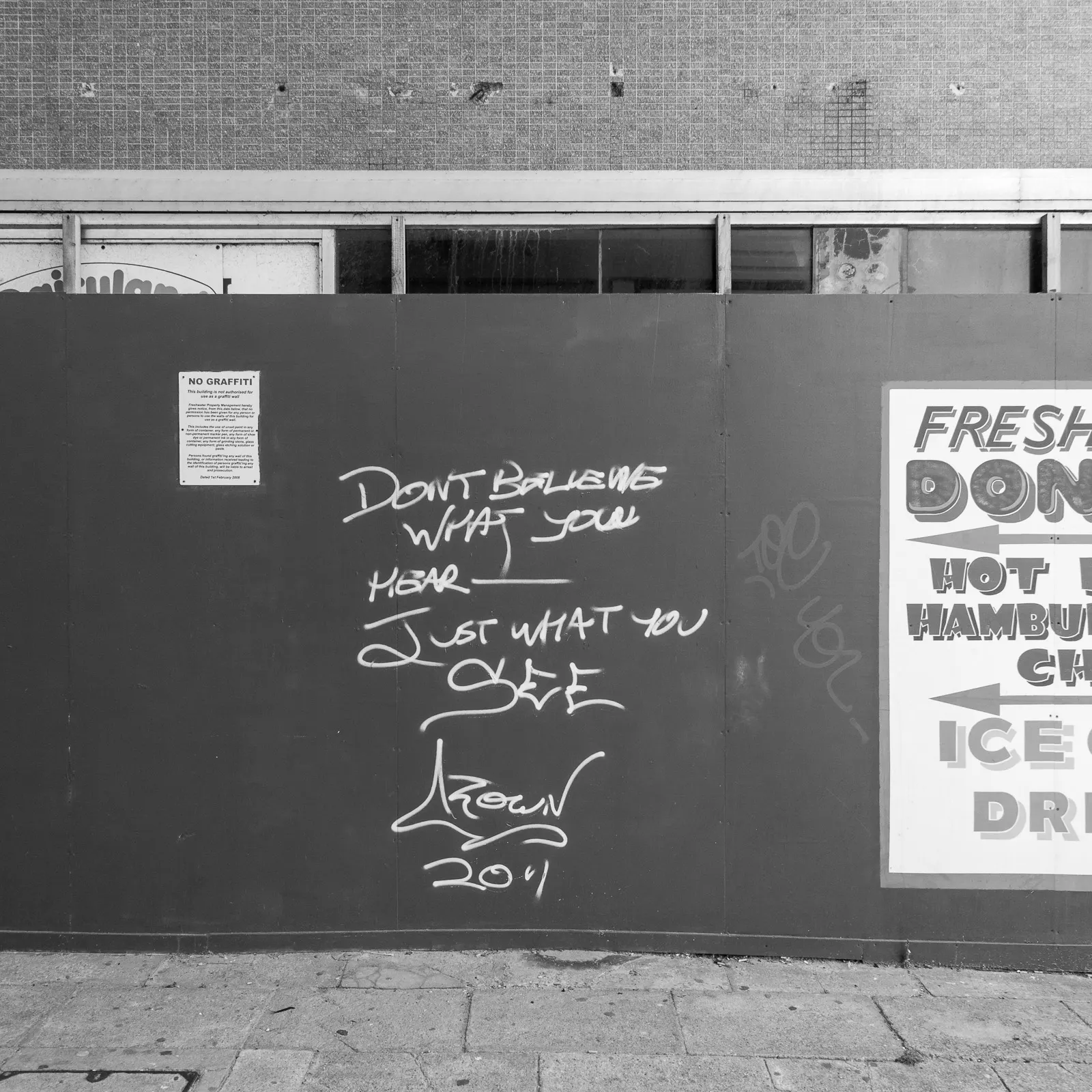
I took these photos in 2011, documenting Margate at a moment before regeneration reshaped the town’s identity. At that time, the seaside town in Kent was at a crossroads: change felt possible, yet nothing was guaranteed. The Turner Contemporary had recently opened, Dreamland was closed, and large-scale redevelopment was still uncertain. This post shows what life, buildings, and routines looked like before the town’s rebranding.
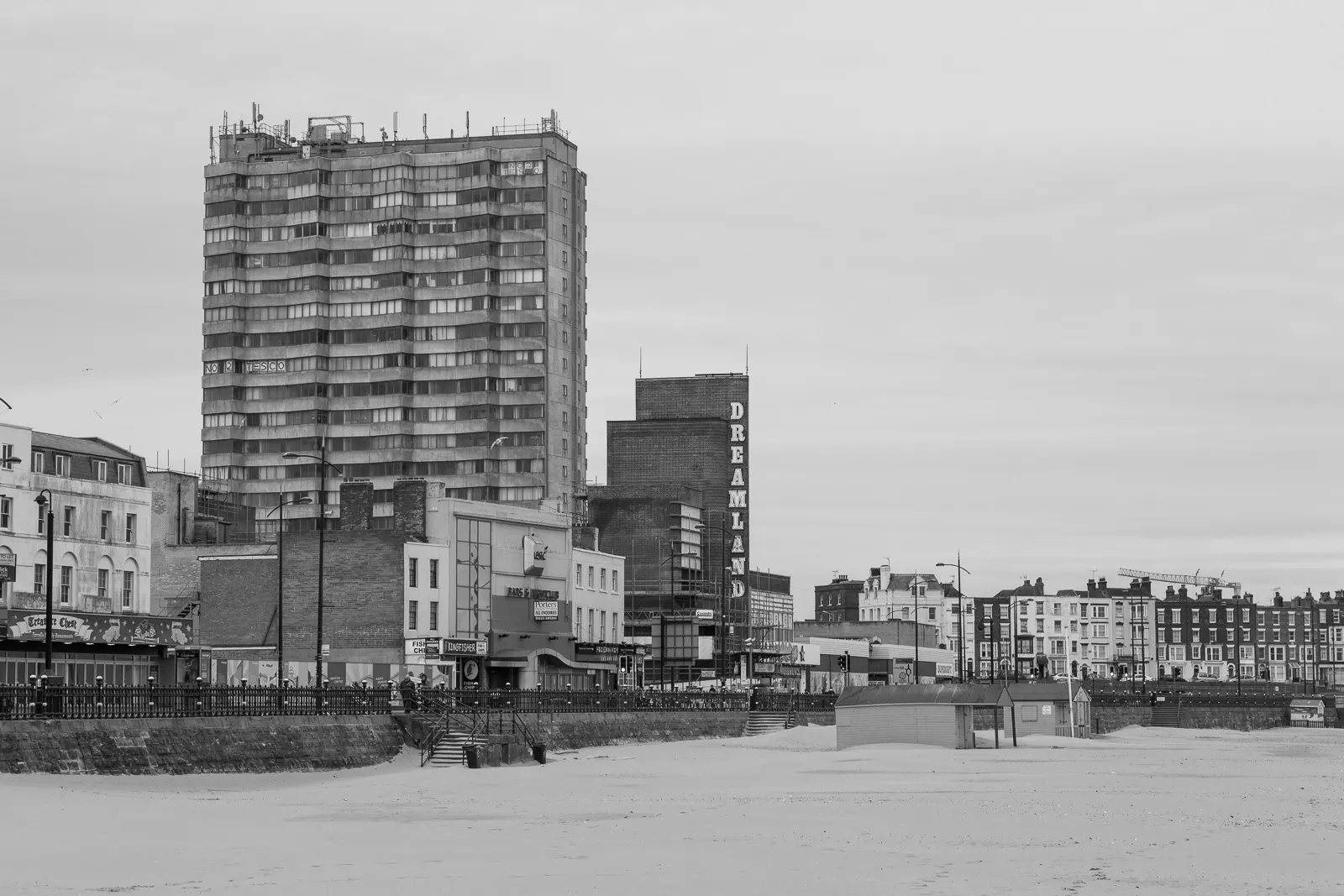
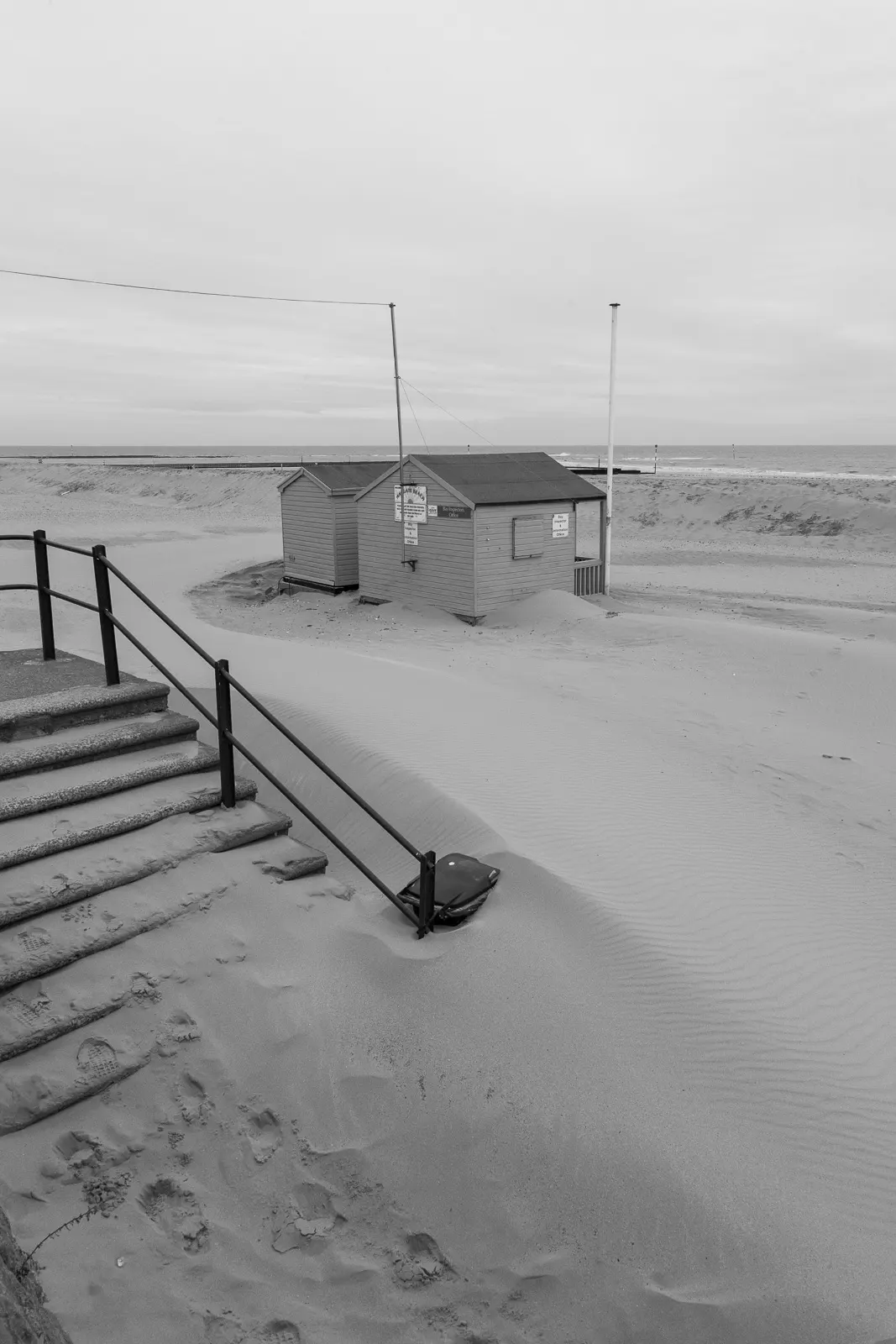
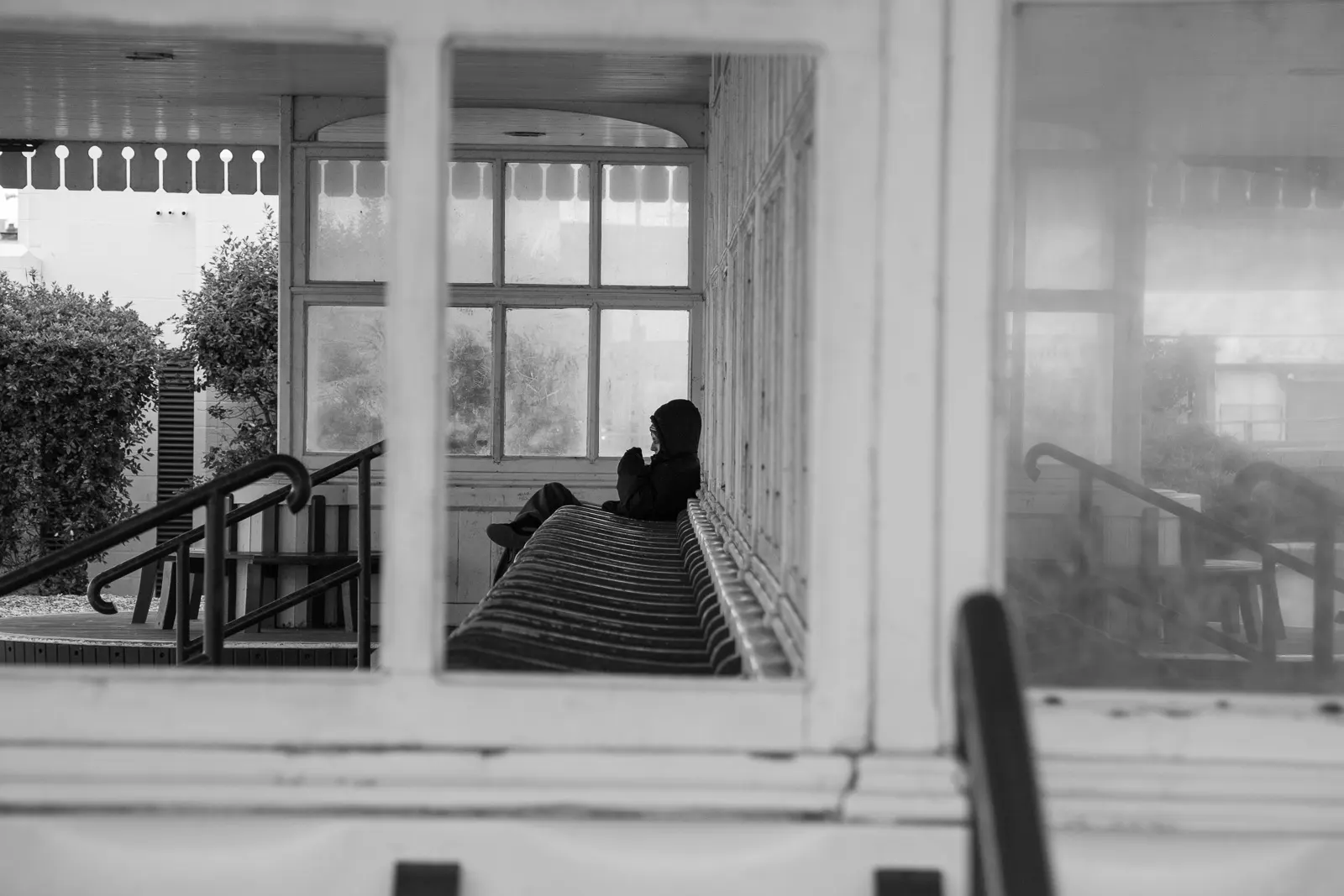
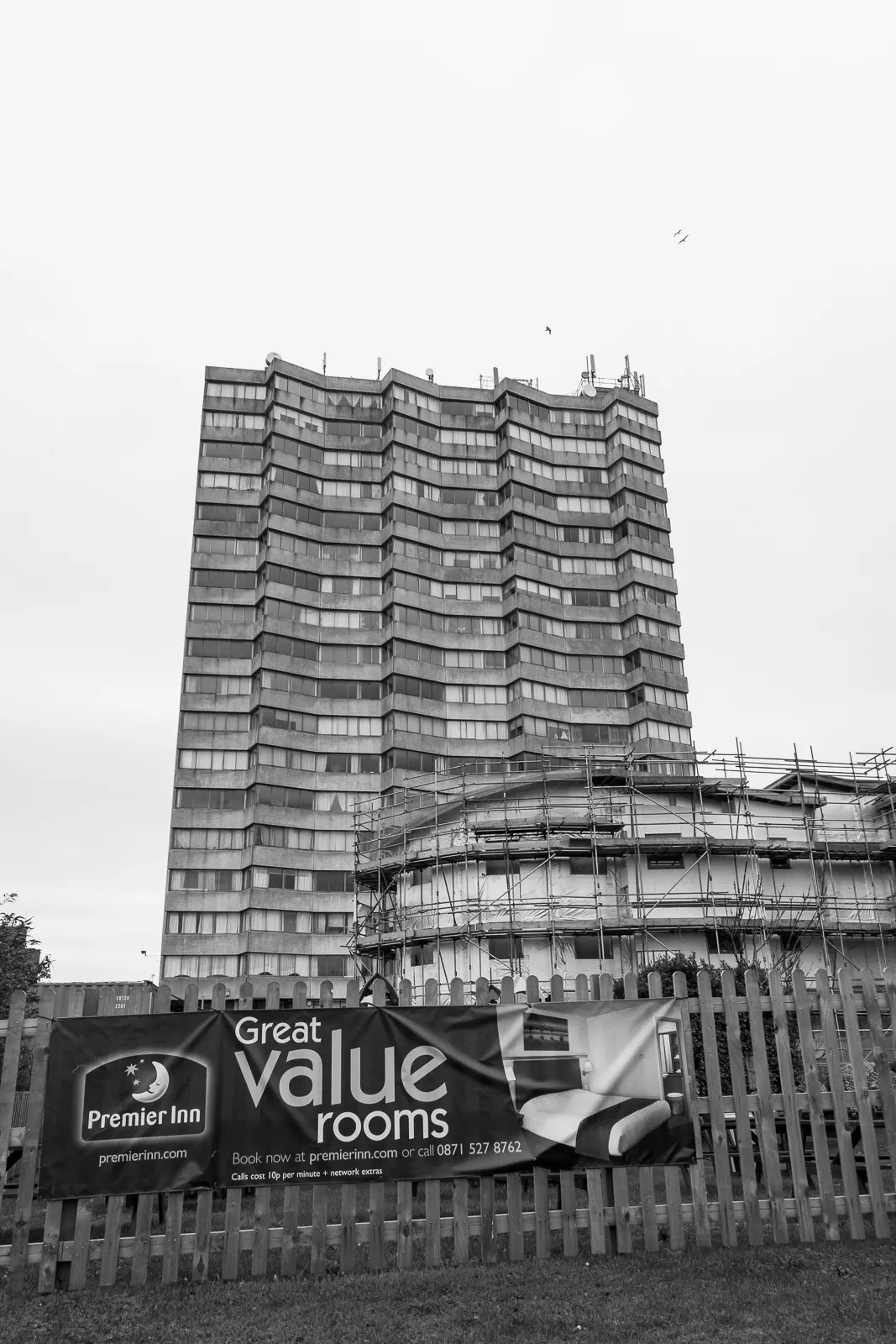
Iconic Buildings and Seaside Landmarks in 2011 Margate
My camera focuses on ordinary life and the buildings that have long shaped Margate’s identity.
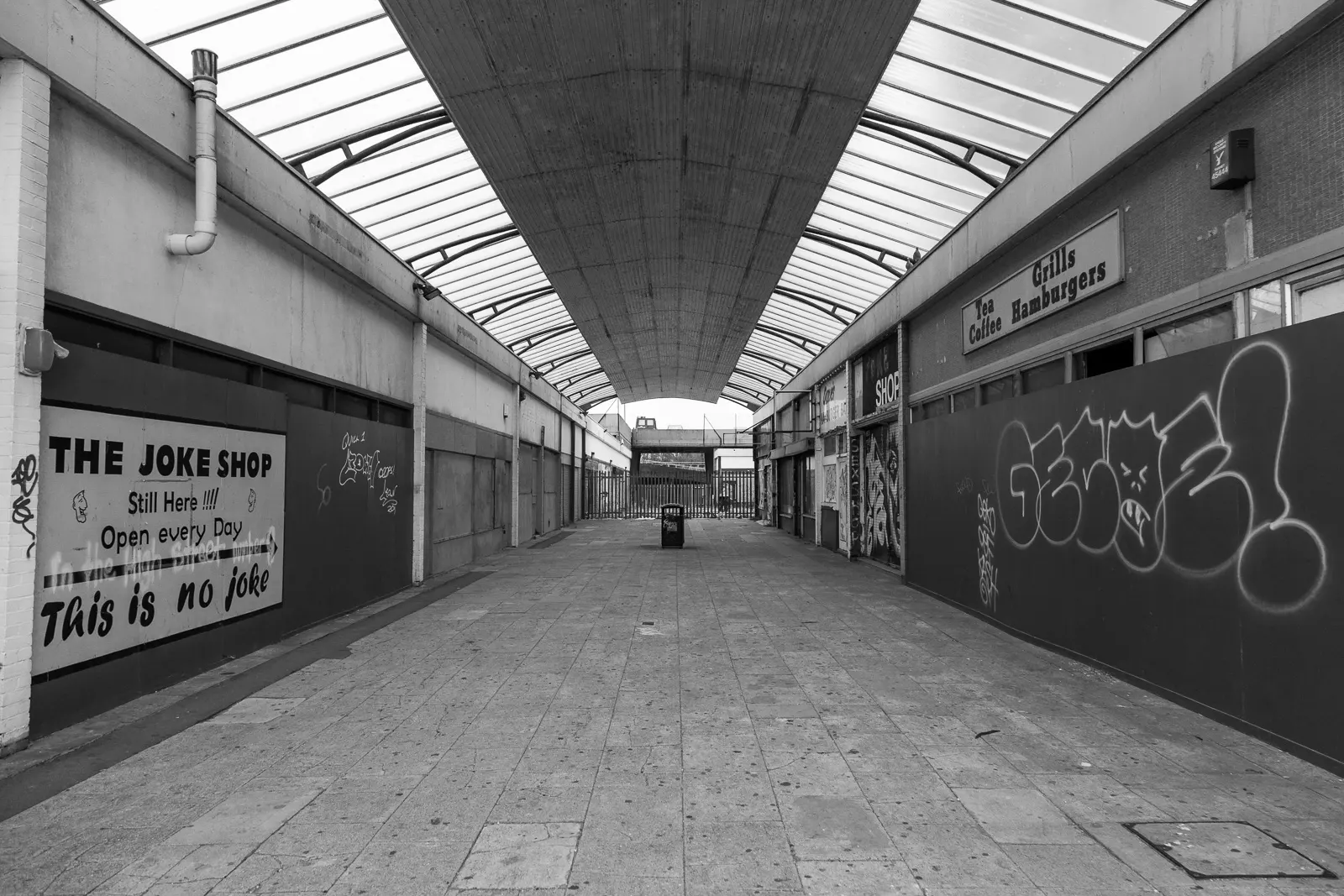
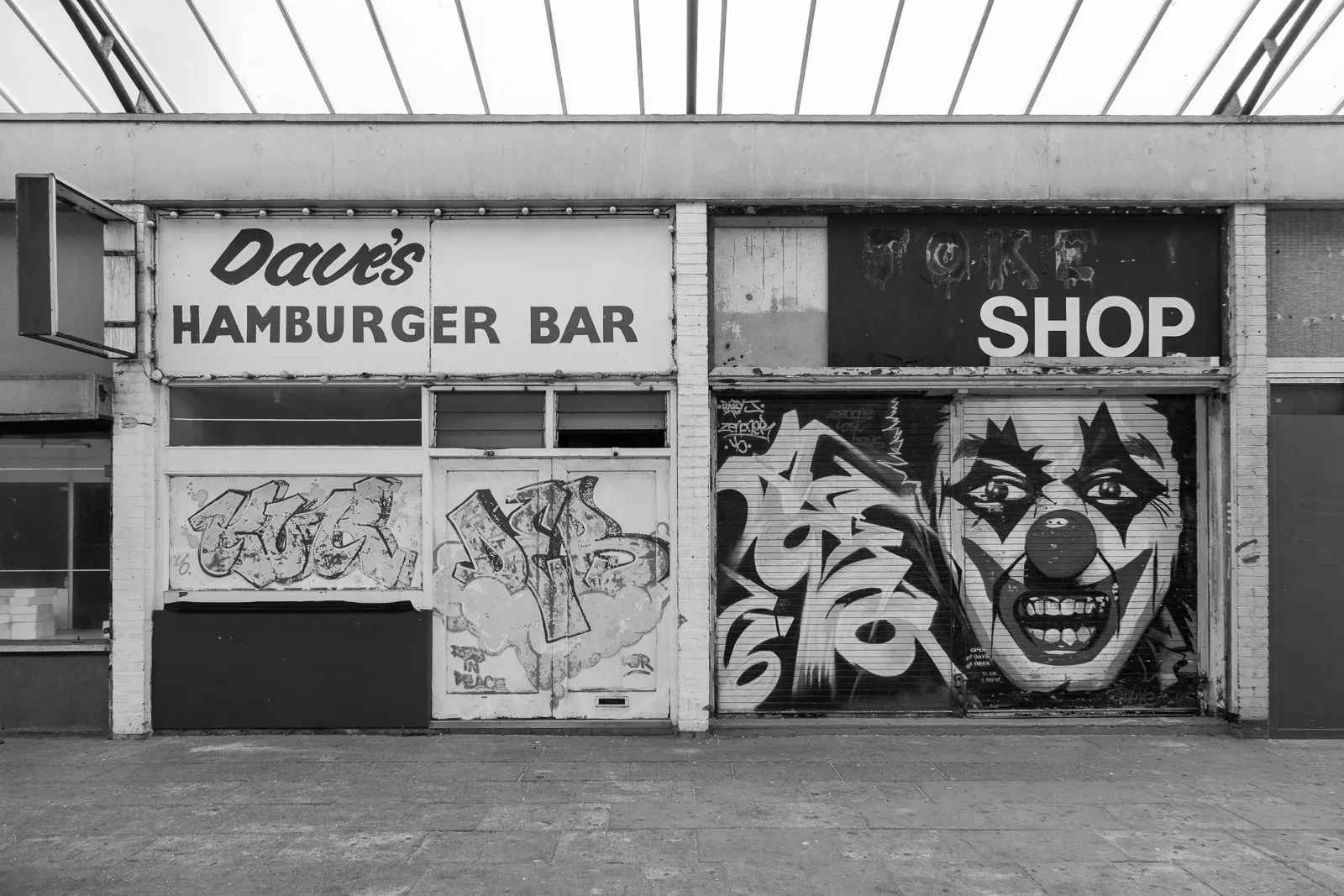
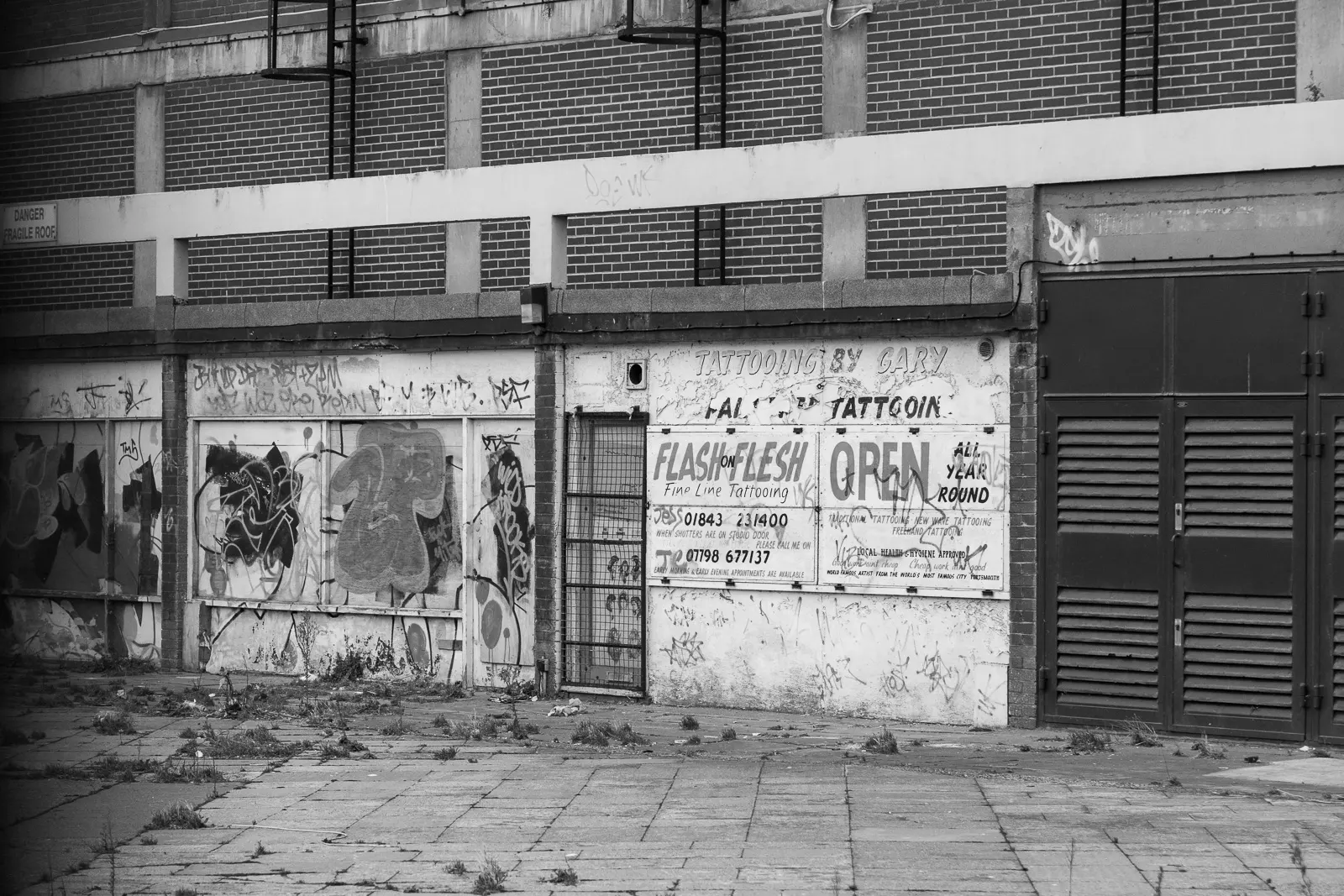
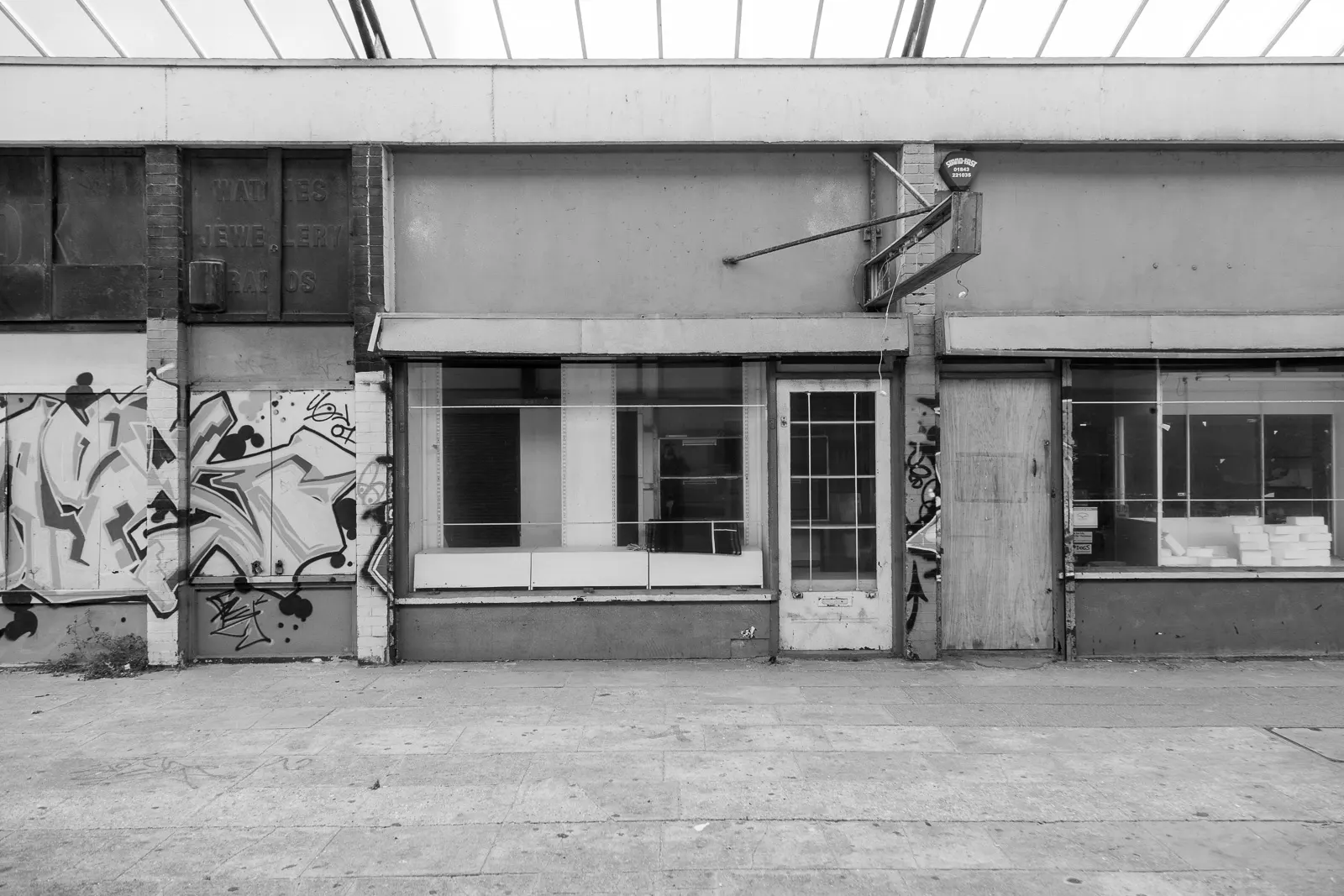
Arlington House, the 1960s Brutalist tower overlooking the seafront, appears not as an architectural icon but as a familiar part of daily life, worn by weather and time. Nearby, Arlington Square Arcade stands quieter still, its boarded-up shops suspended between past purpose and an uncertain future.
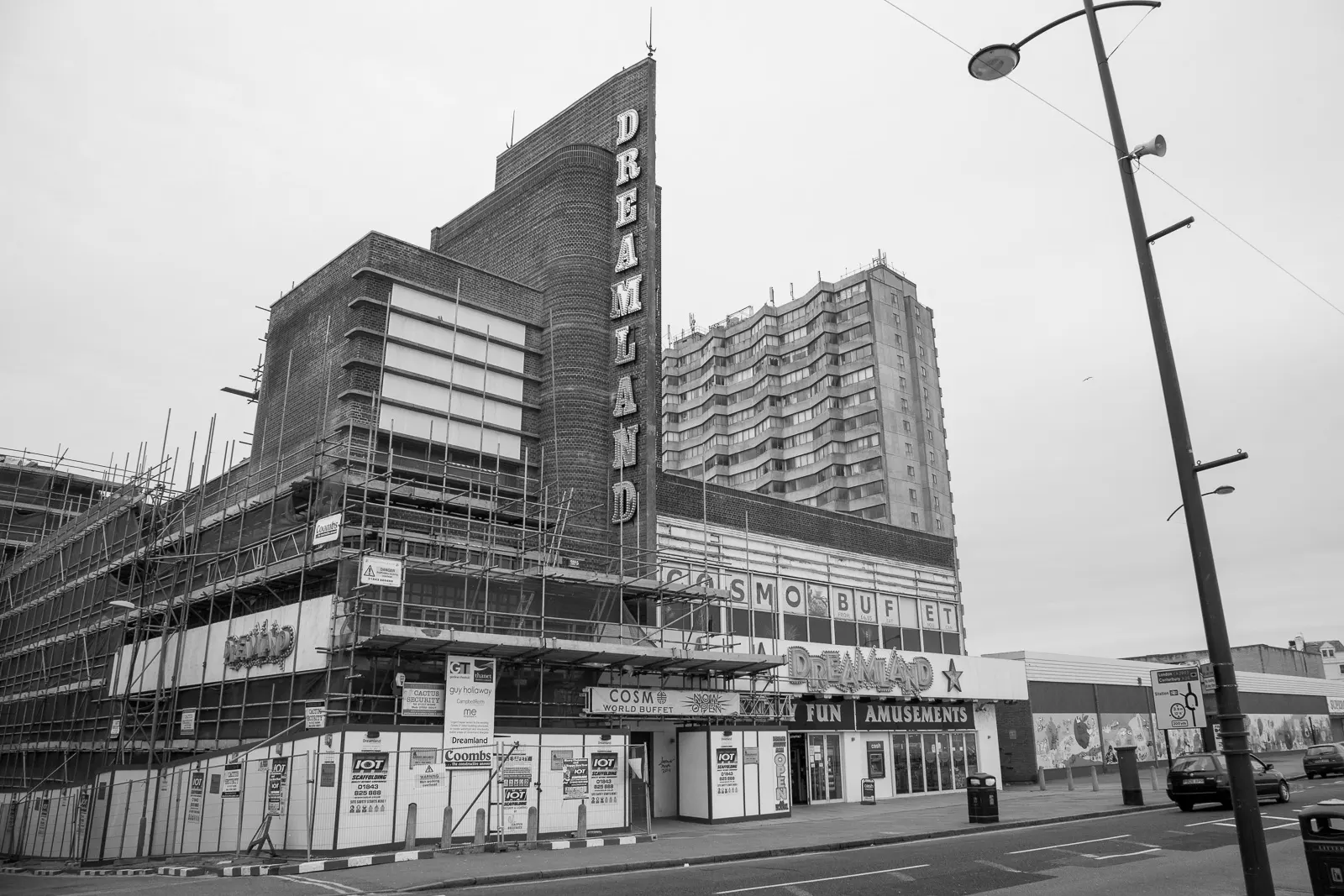
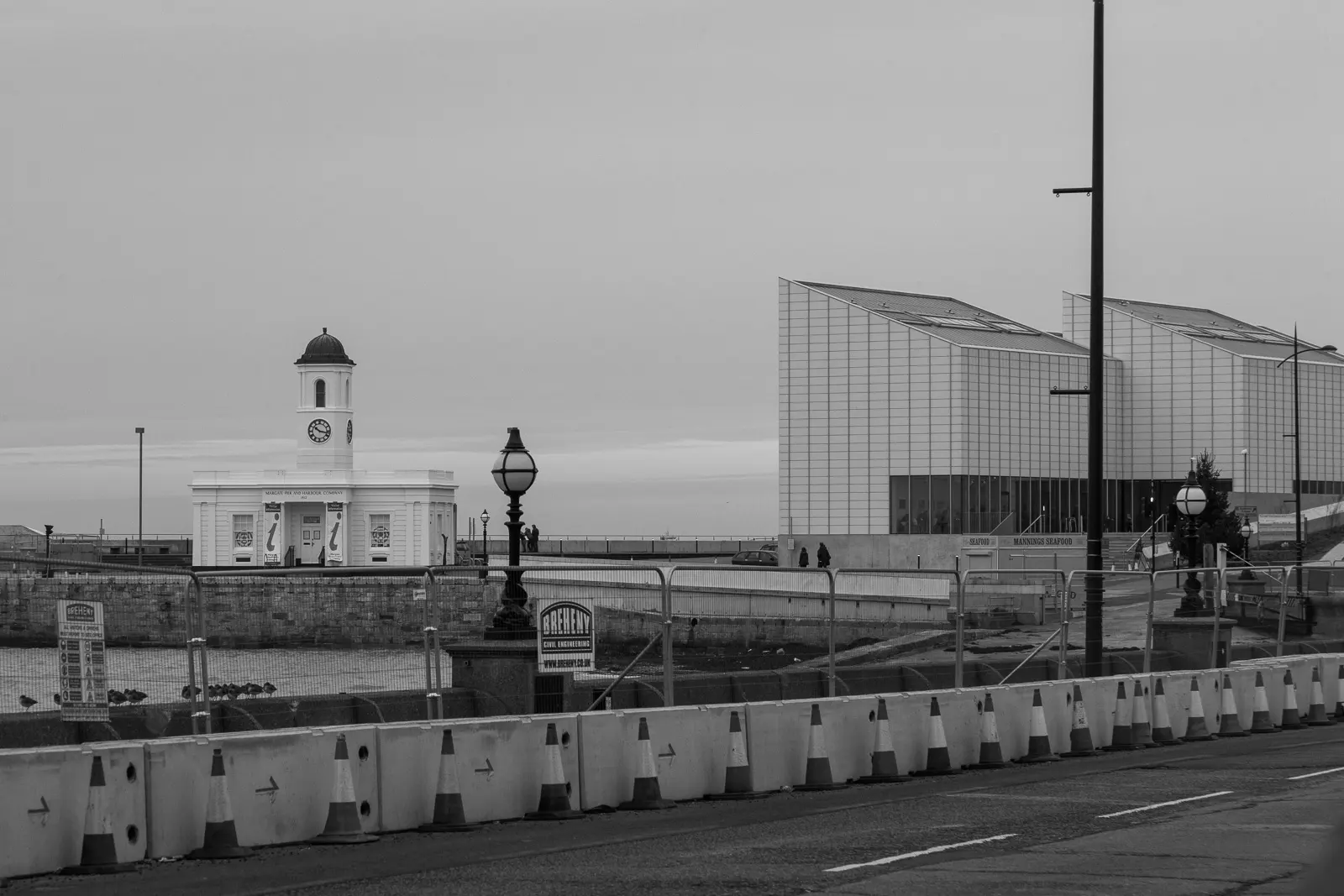
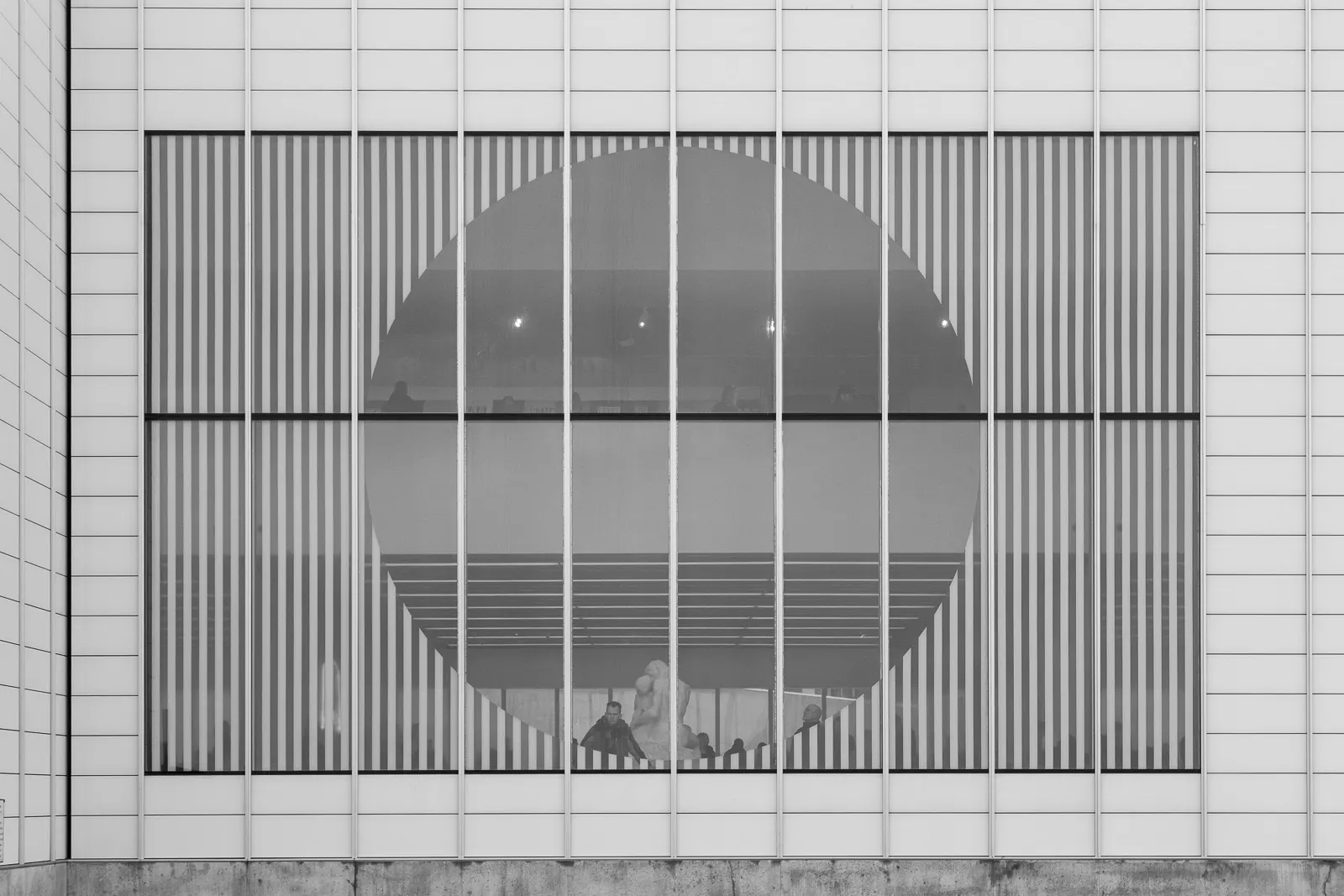
Dreamland Margate, synonymous with seaside nostalgia, is closed. It is less a tourist attraction than a familiar landmark waiting to reopen. The Turner Contemporary, now central to Margate’s regeneration story, sits quietly on the seafront—present, but not yet thriving.
These photos capture a town in a state of pause rather than decline.
Everyday Life in Margate Before Regeneration
Around Margate, life continues.
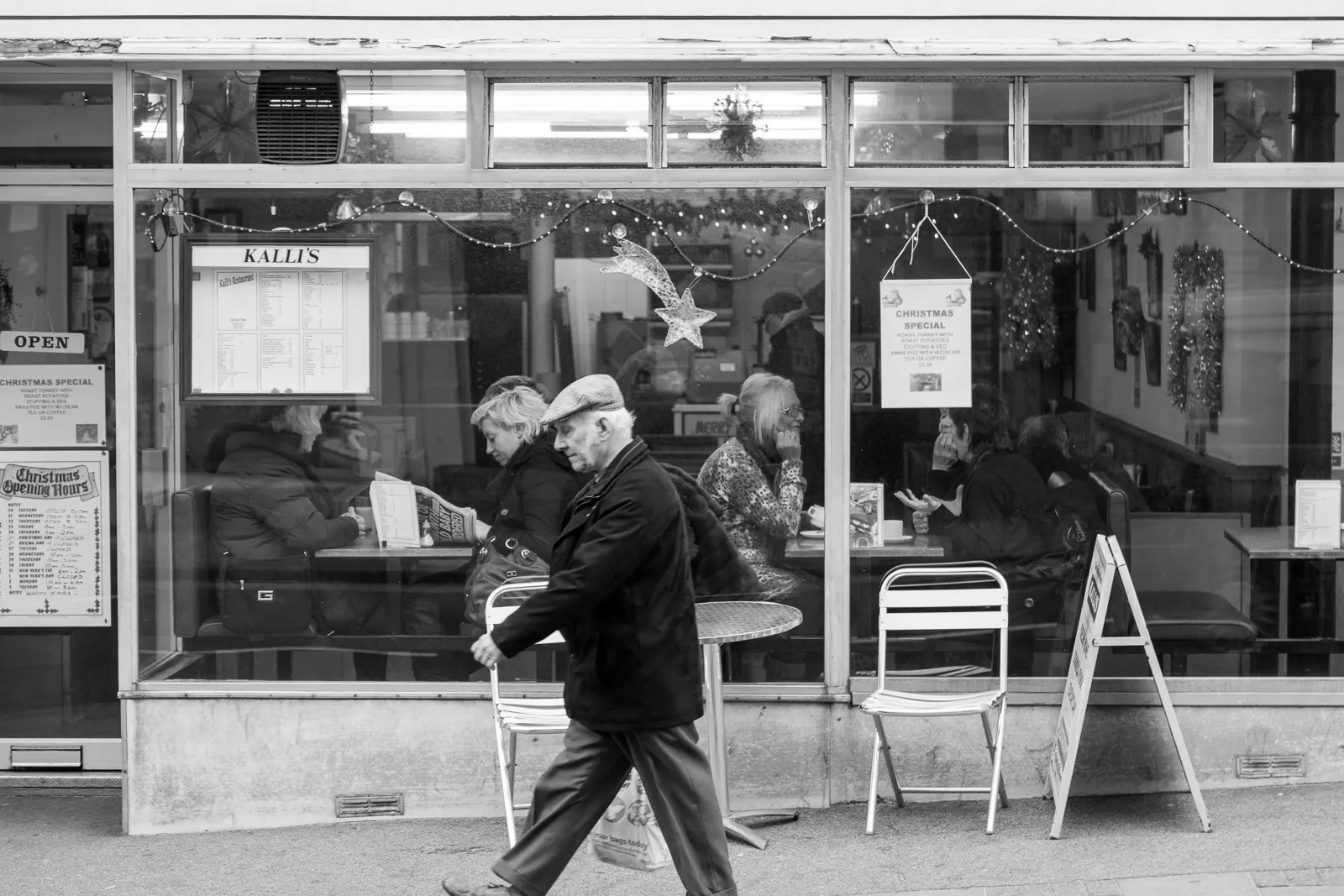
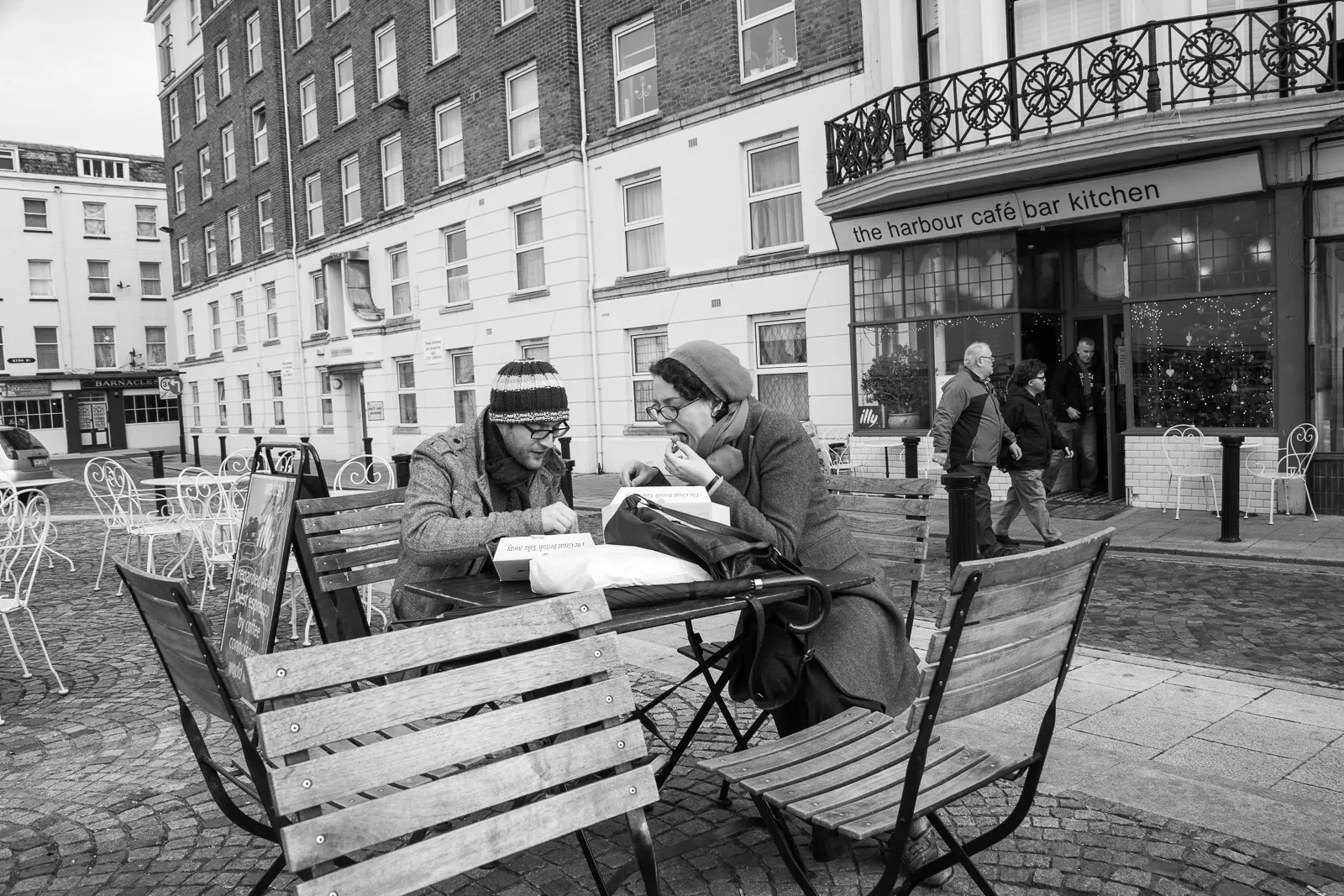
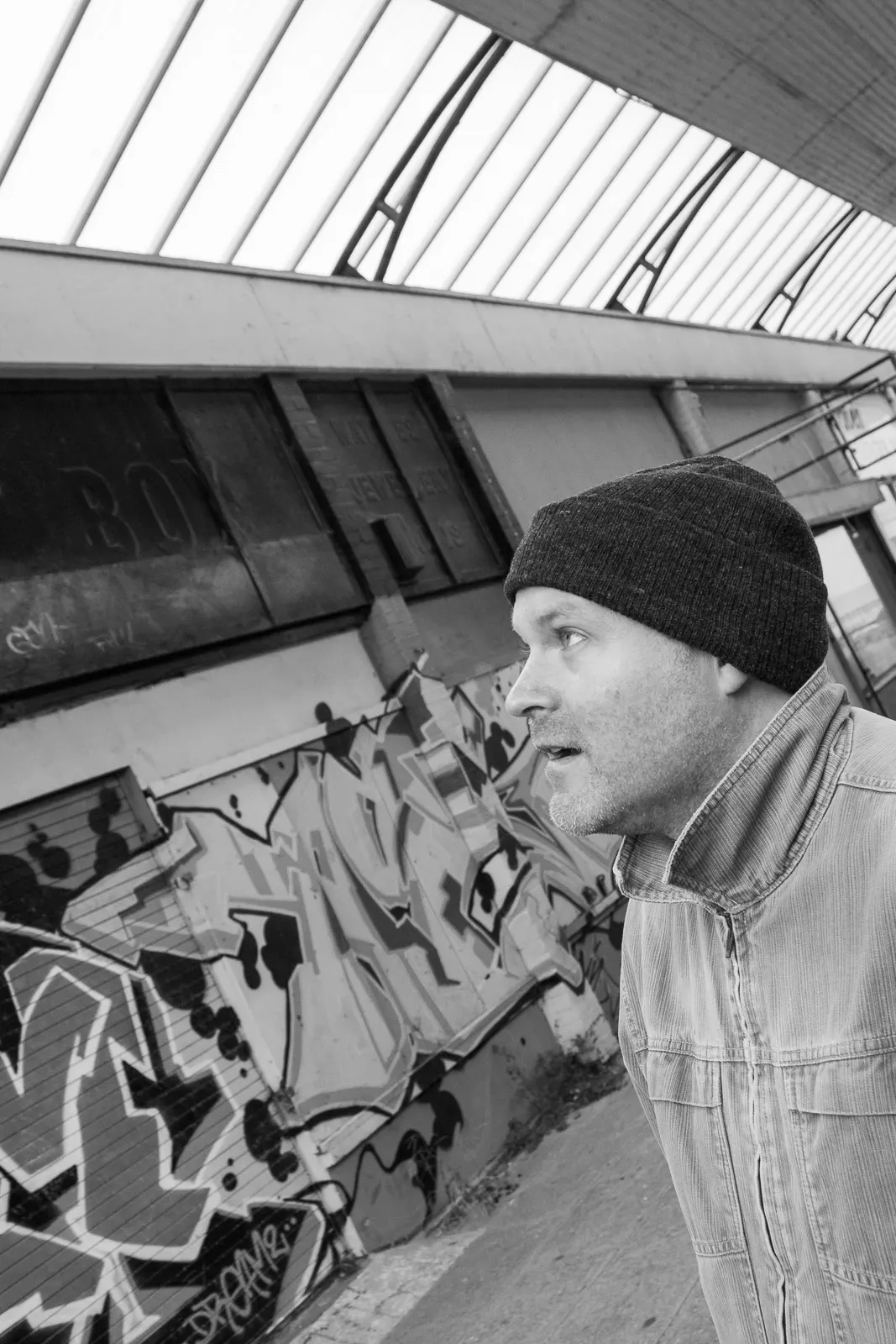
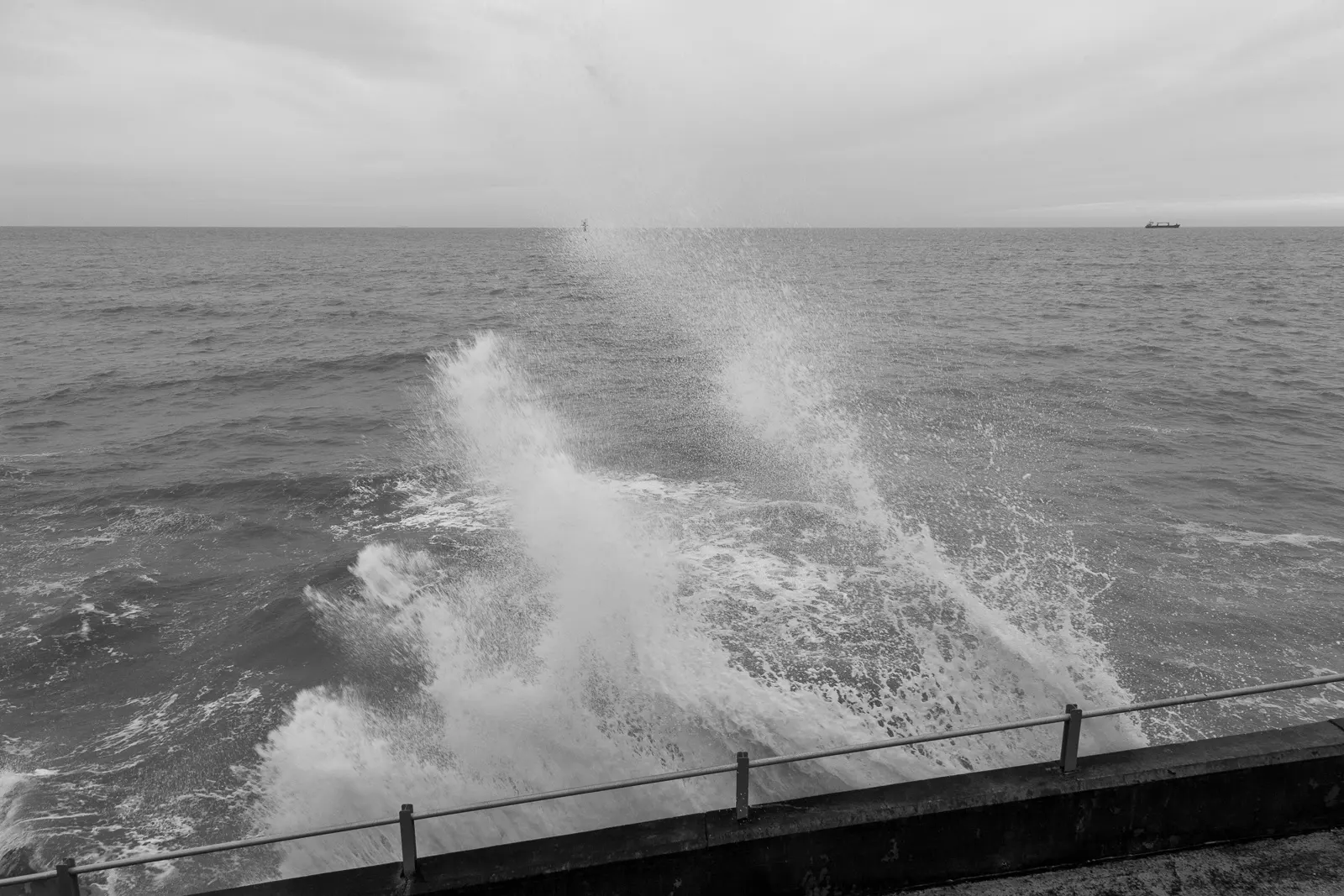
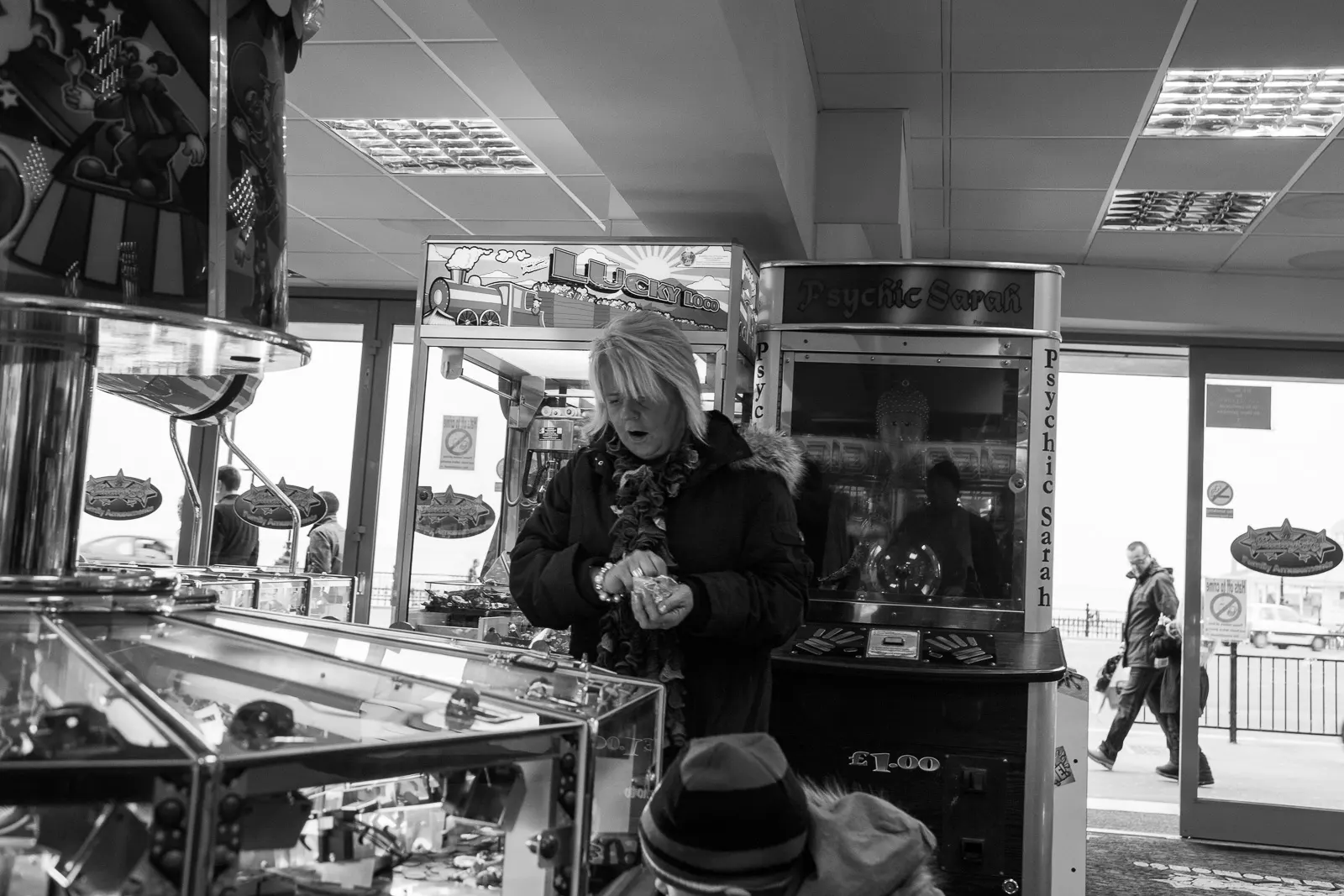
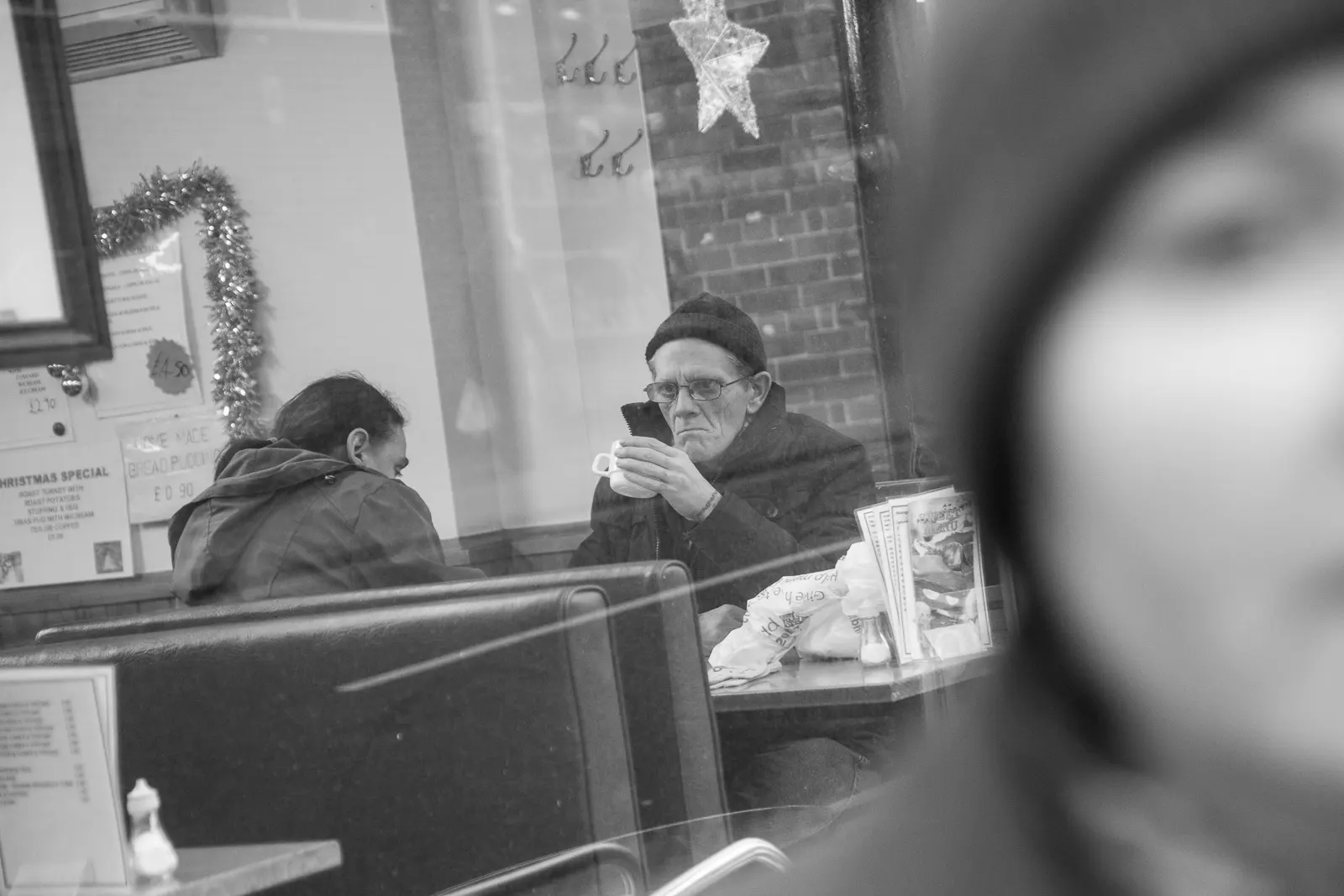
Couples share fish and chips on the promenade. Café regulars chat over drinks. Children drift through the amusement arcades. Older residents walk familiar routes. The off-season seafront feels windswept and stripped of spectacle.
Rather than showing dramatic decline or triumphant revival, the images reveal something quieter: people getting through the day, carrying on despite uncertainty.
These scenes are the texture of everyday life in Margate before regeneration accelerated.
How Familiar Places Shape Identity and Belonging
It’s easy to read these images as evidence of neglect, or as nostalgia for “Margate before regeneration”. I resist both interpretations. Instead, they show how people form attachments to places through familiarity and routine rather than dramatic events.
Daily routes. Buildings that fade into the background. Spaces passed without comment.
Over time, this repetition creates what researchers call topophilia—”a love of place” that grows through lived experience. Gradually, these routines shape what psychologists call place identity: the sense that a place becomes part of who we are.
Looking at these images reveals how deeply place and identity are intertwined—a connection that regeneration inevitably reshapes.
What Regeneration Narratives Often Overlook
Discussions of regeneration focus on investment, growth, and cultural revival. But rarely on the slower, quieter realities that exist before change.
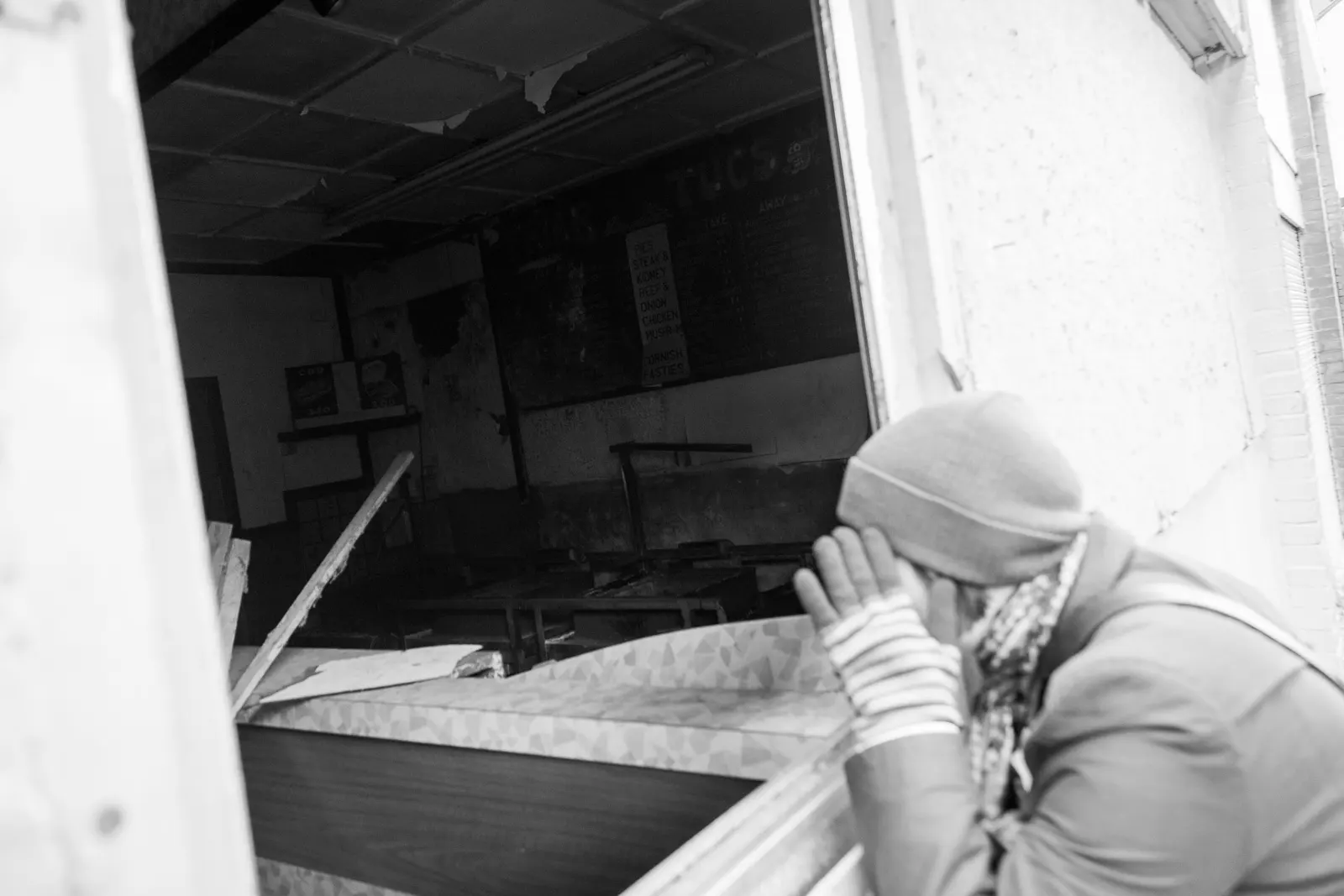
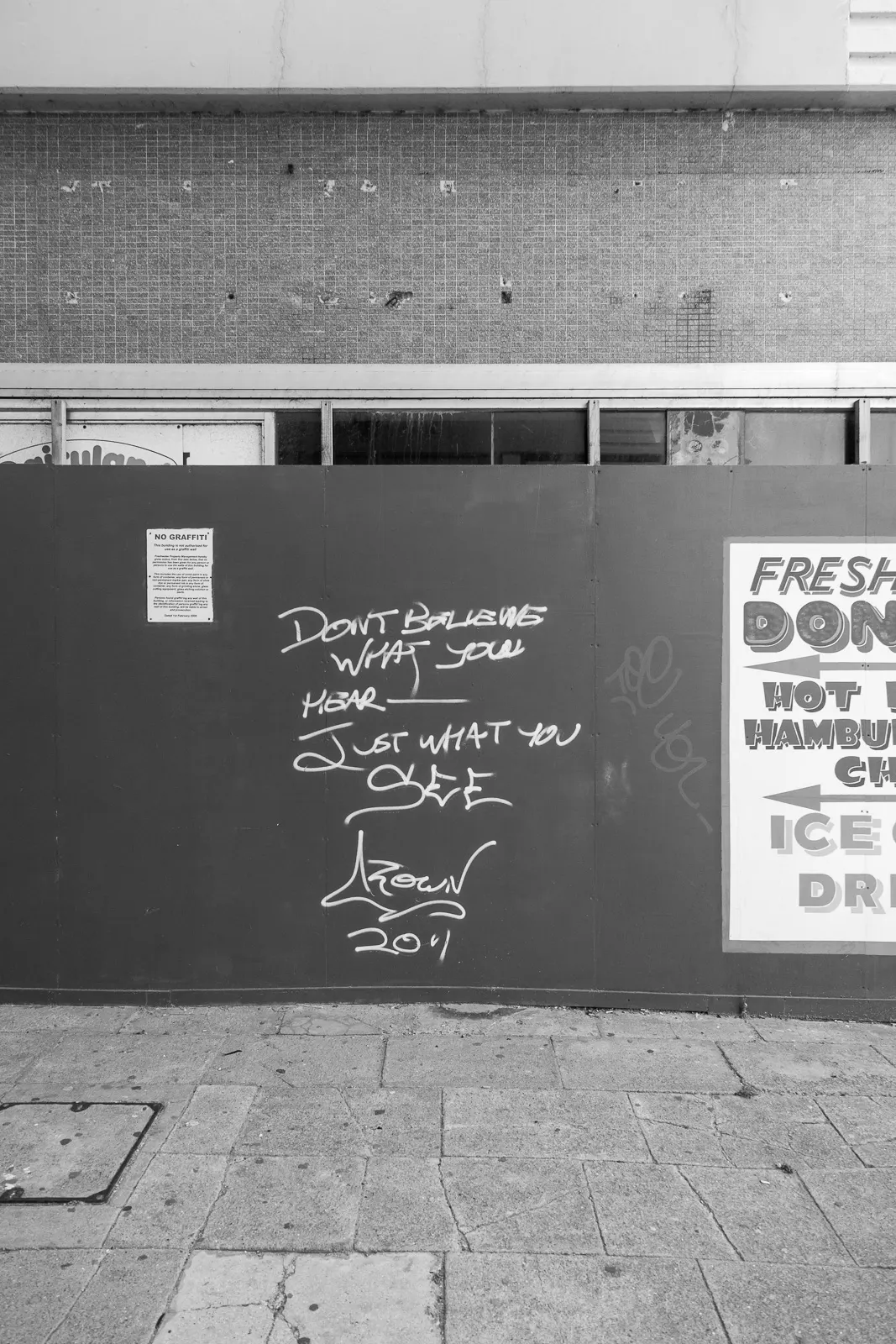
By noticing absence—closed shops, quiet streets, overlooked spaces—these photos show everyday moments that redevelopment narratives often ignore:
- Waiting
- Enduring
- Adapting
- Continuing
Not spectacle. Not a crisis. But continuity. These are the small ways communities endure long before attention or investment arrives.
Why Margate Regeneration Still Matters
Margate’s regeneration has transformed its economy, visitor culture, and public image. But regeneration does more than change infrastructure. It reshapes memory, identity, and belonging. It alters how we describe, feel, and understand a place, which is why it matters to me both as a photographer and a psychologist.
These 2011 images capture Margate before its transformation, when the future was uncertain, and everyday life continued largely unnoticed.
They ask a simple question: what else are we at risk of forgetting, just as it slips from view?
PHOTO DETAILS
Location: Margate, Kent, England
Date: December 2011
Camera: Canon EOS-1Ds Mark III
Lens: EF 24-105mm f/4L IS USM
Thank you for looking.