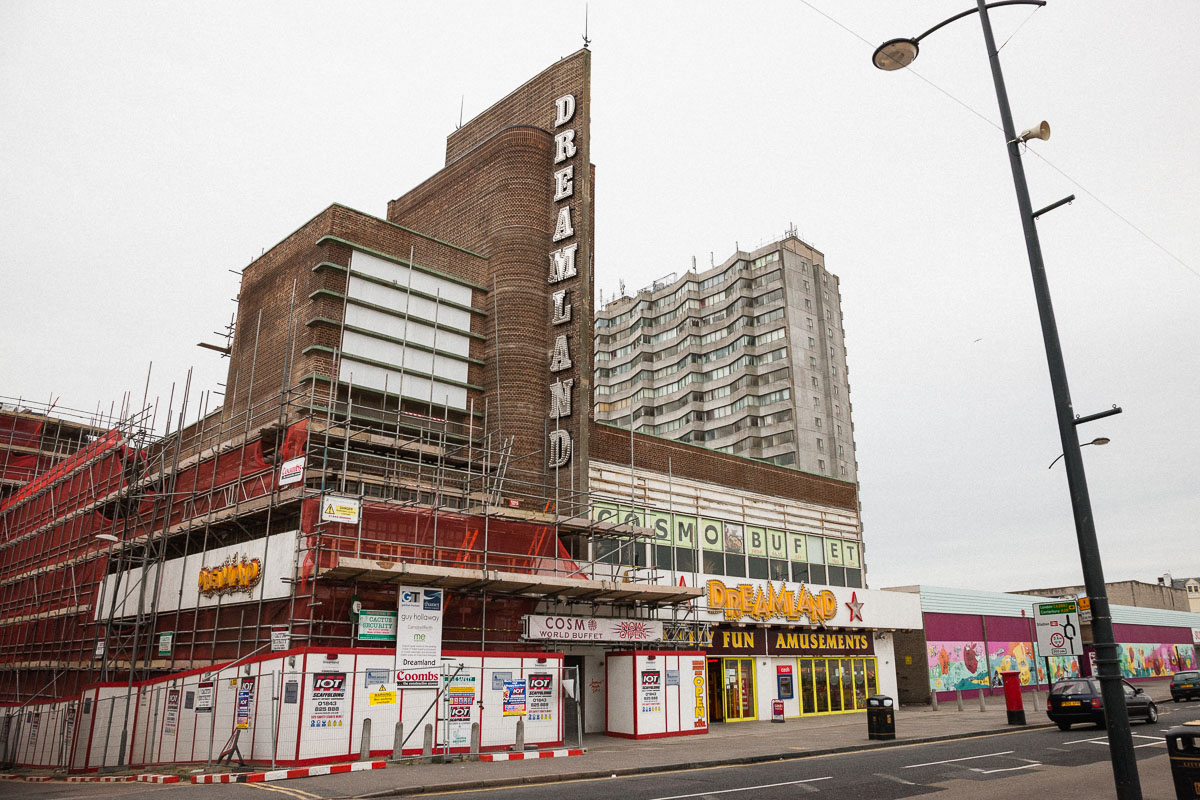
I took these photographs in December 2011, when Margate regeneration was beginning to take shape but the town’s future was still uncertain. The Turner Contemporary had recently opened, Dreamland Margate was closed, and large-scale redevelopment had yet to take shape.
I was interested in what was already there: the buildings, streets and ordinary moments that made up everyday life. Looking back now, these photographs offer a glimpse of Margate before its revival and rebranding, when the town had not yet acquired the identity it has today.
Margate Regeneration in 2011: A Town in Transition
My camera moves between the buildings that have long shaped Margate and the people living around them.
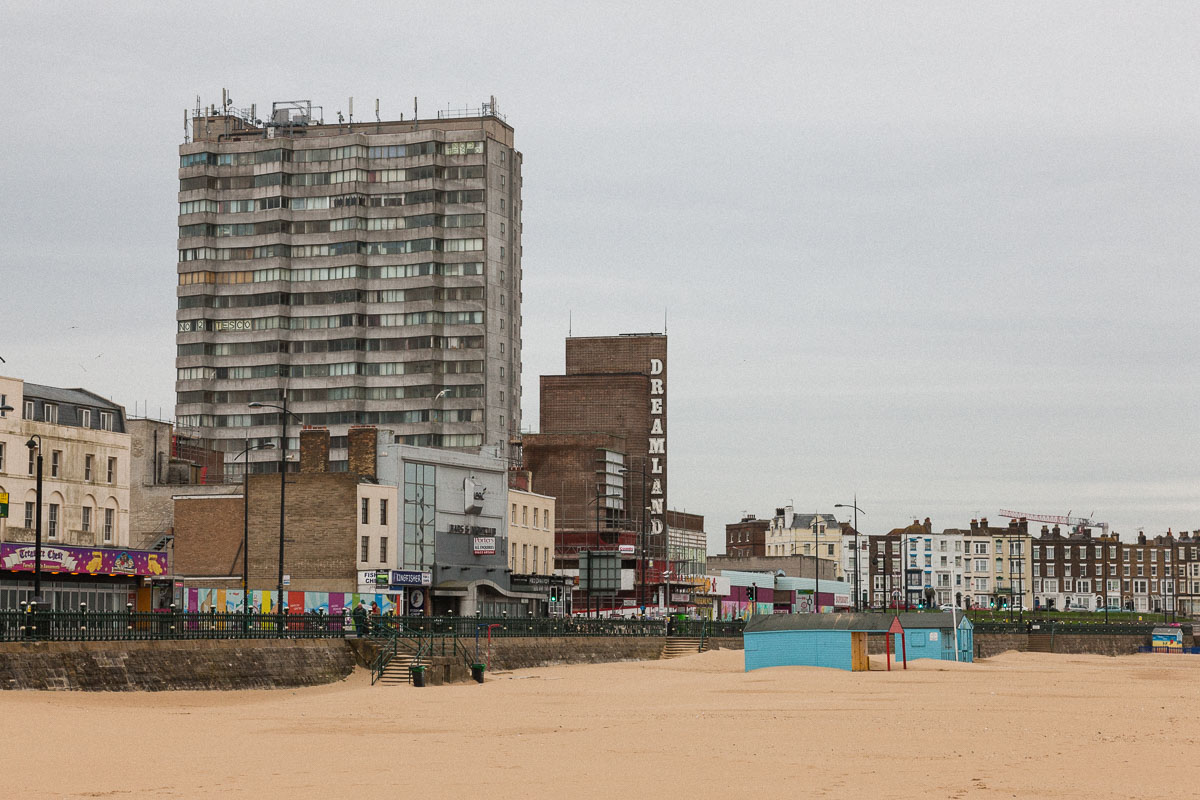
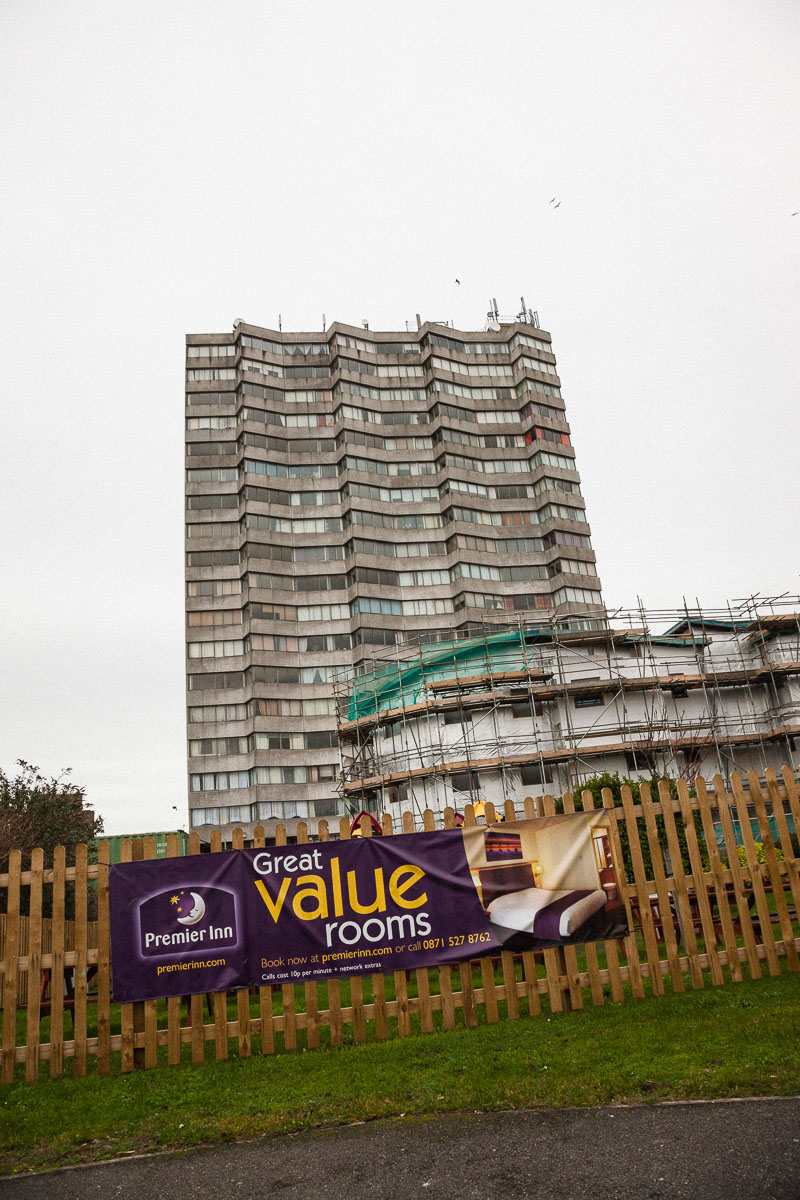
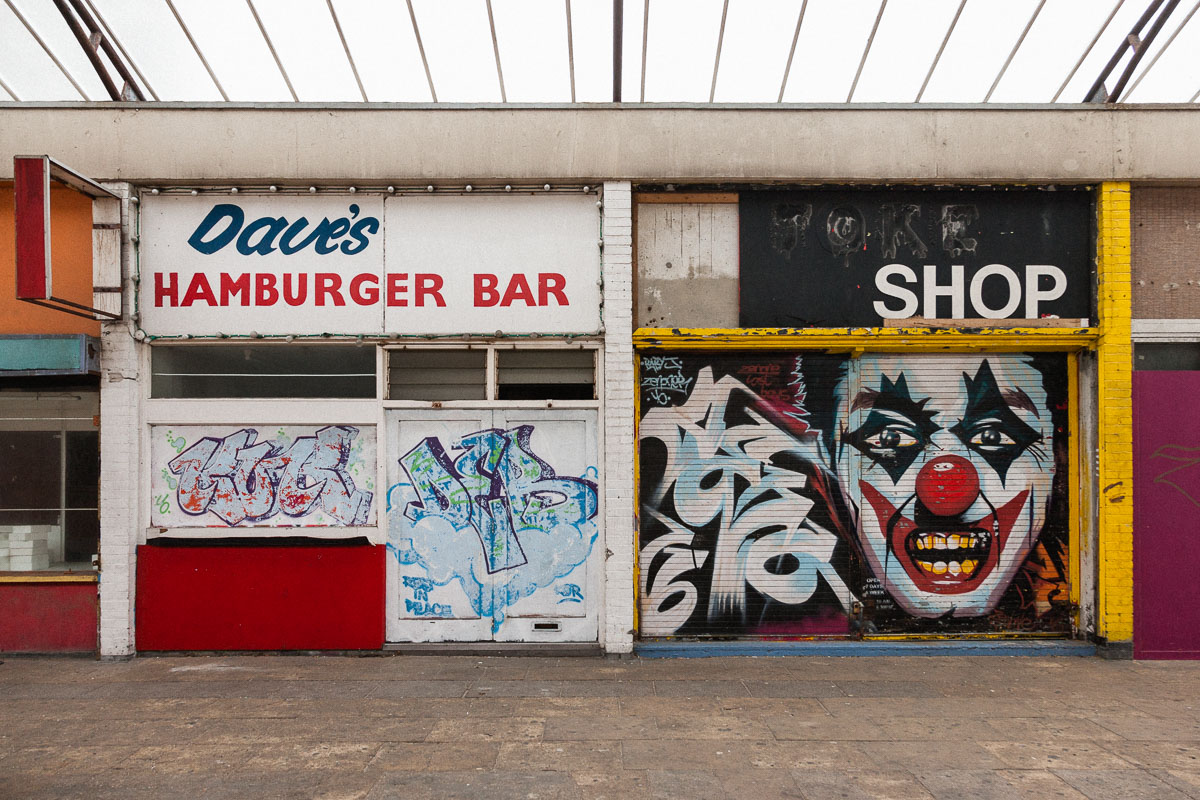
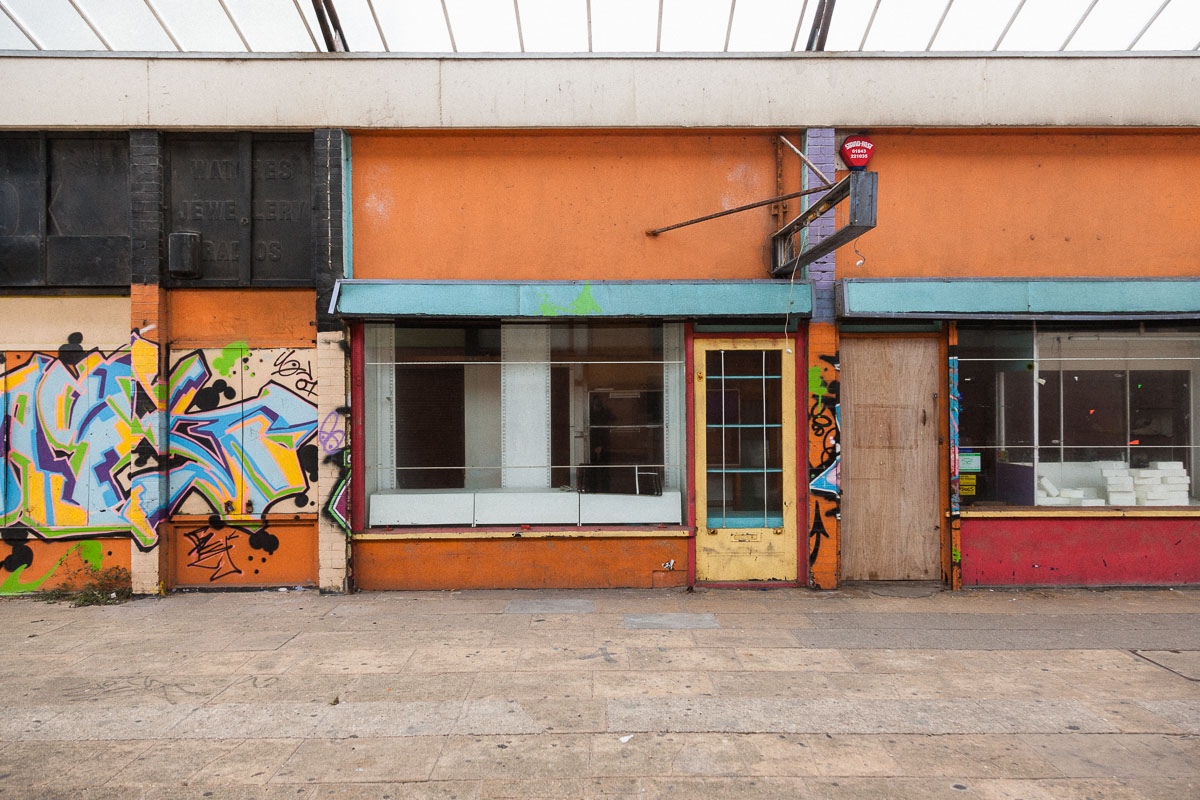
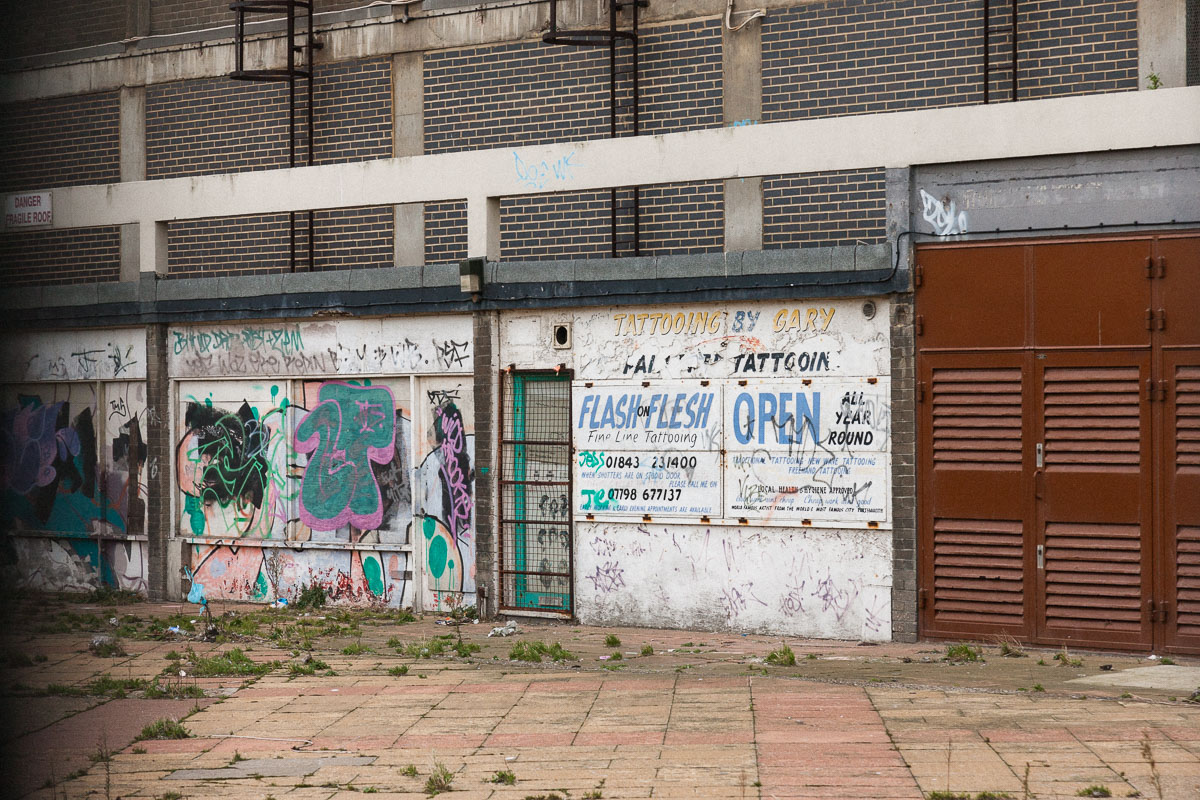
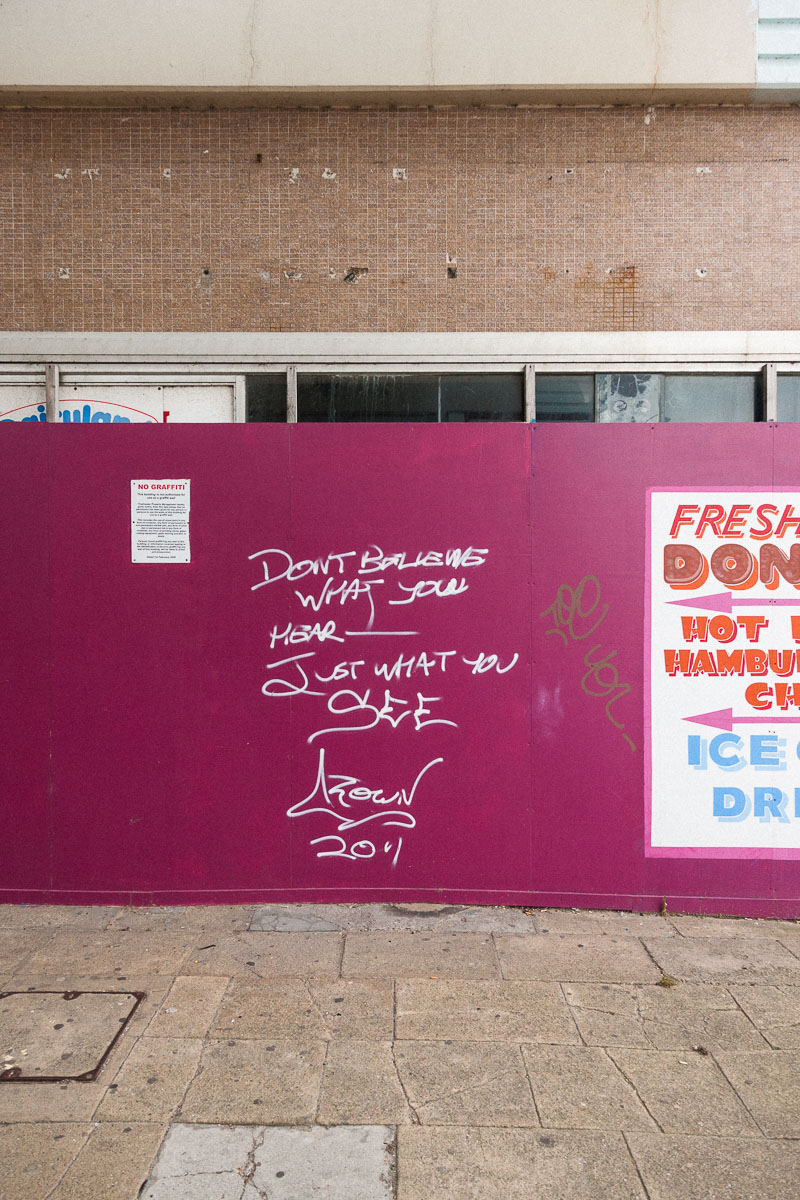
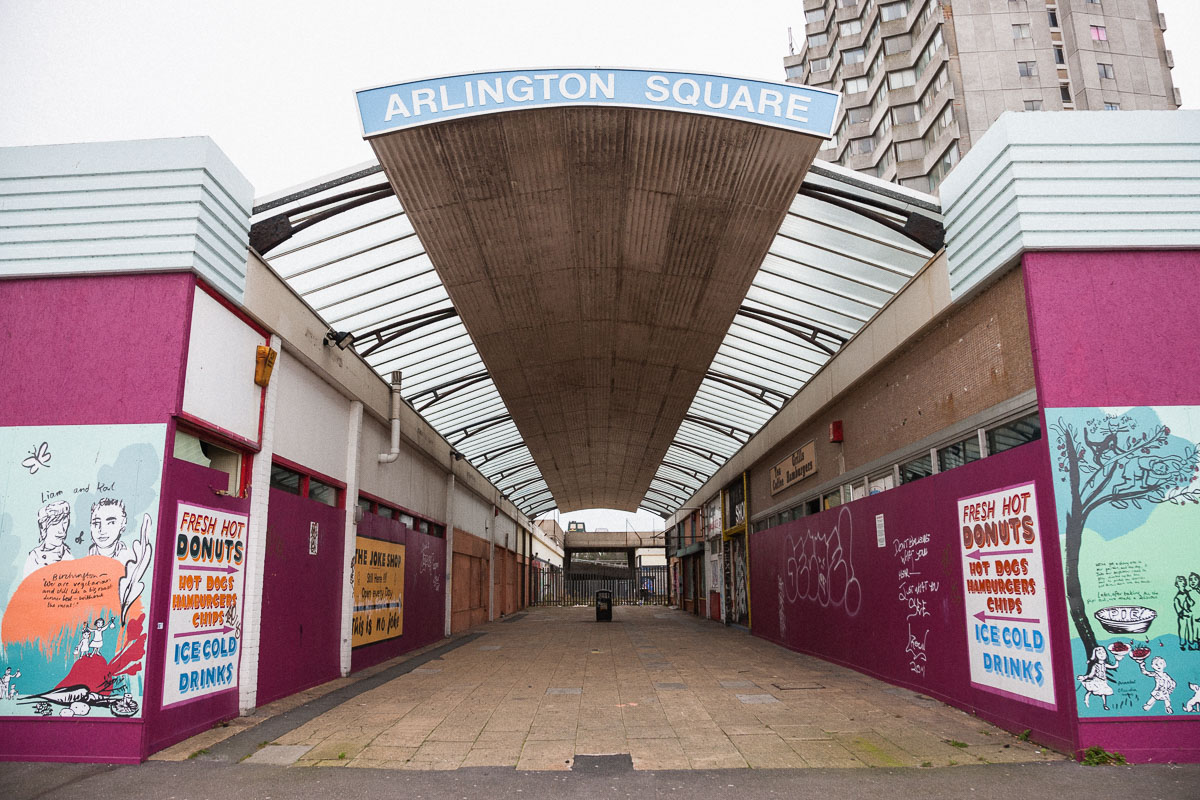
Arlington House, the 1960s Brutalist tower overlooking the seafront, appears not as an architectural icon but as a familiar part of the town: weathered by time and sea air, and simply part of the view. Nearby, Arlington Square Arcade is quieter still, its boarded-up shops suggesting a place whose original purpose was beginning to disappear.
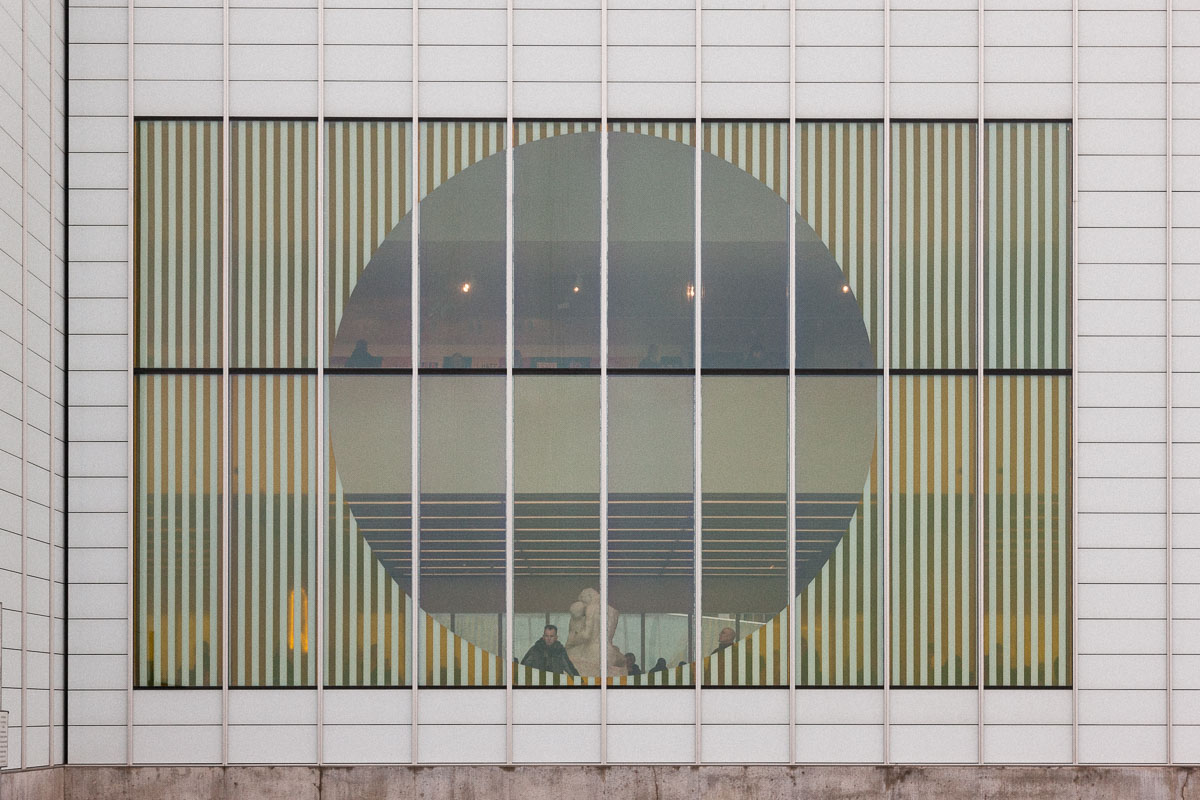
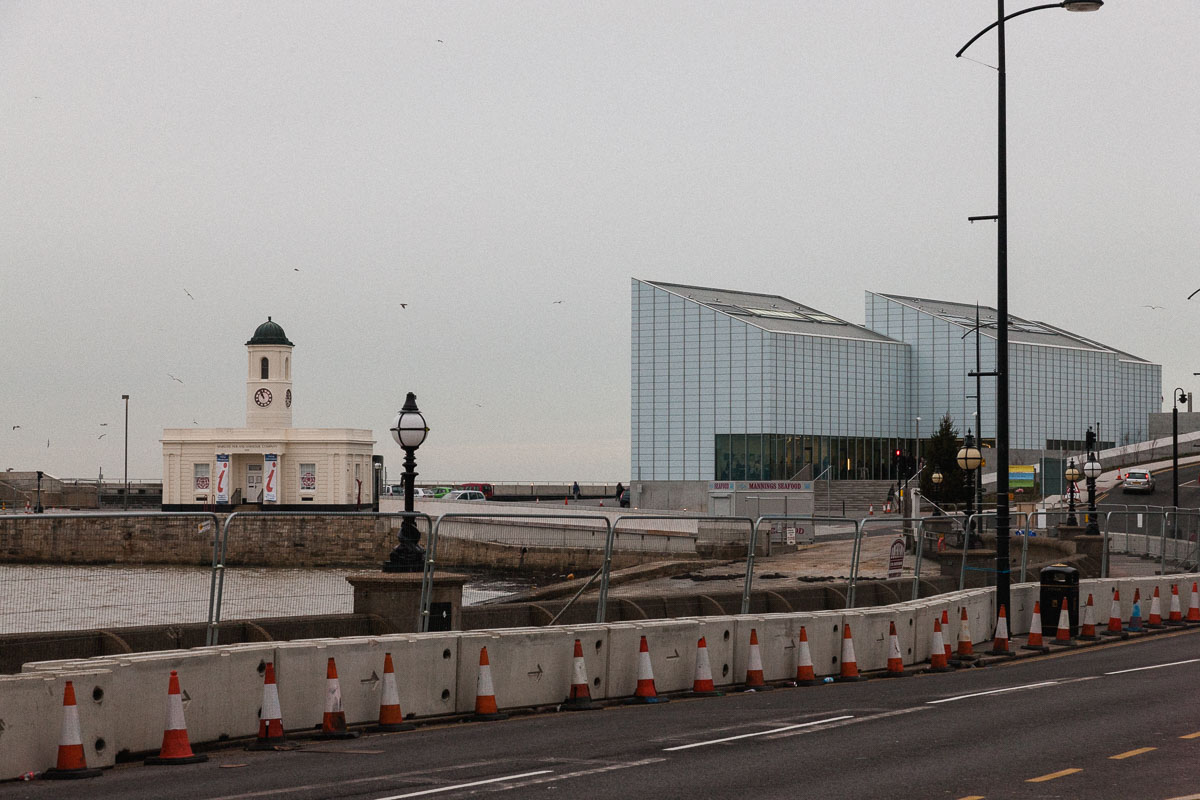
Dreamland Margate, synonymous with seaside nostalgia, is closed. Rather than a working attraction, it stands as a familiar landmark waiting to reopen. The Turner Contemporary sits quietly on the seafront, present but not yet the cultural landmark it would become.
I wasn’t looking for dramatic signs of decline. Instead, I found a town in suspension. It hadn’t quite left its past behind, but its future was beginning to look different.
Everyday Life Before Margate Regeneration
Around these buildings, ordinary life carries on.
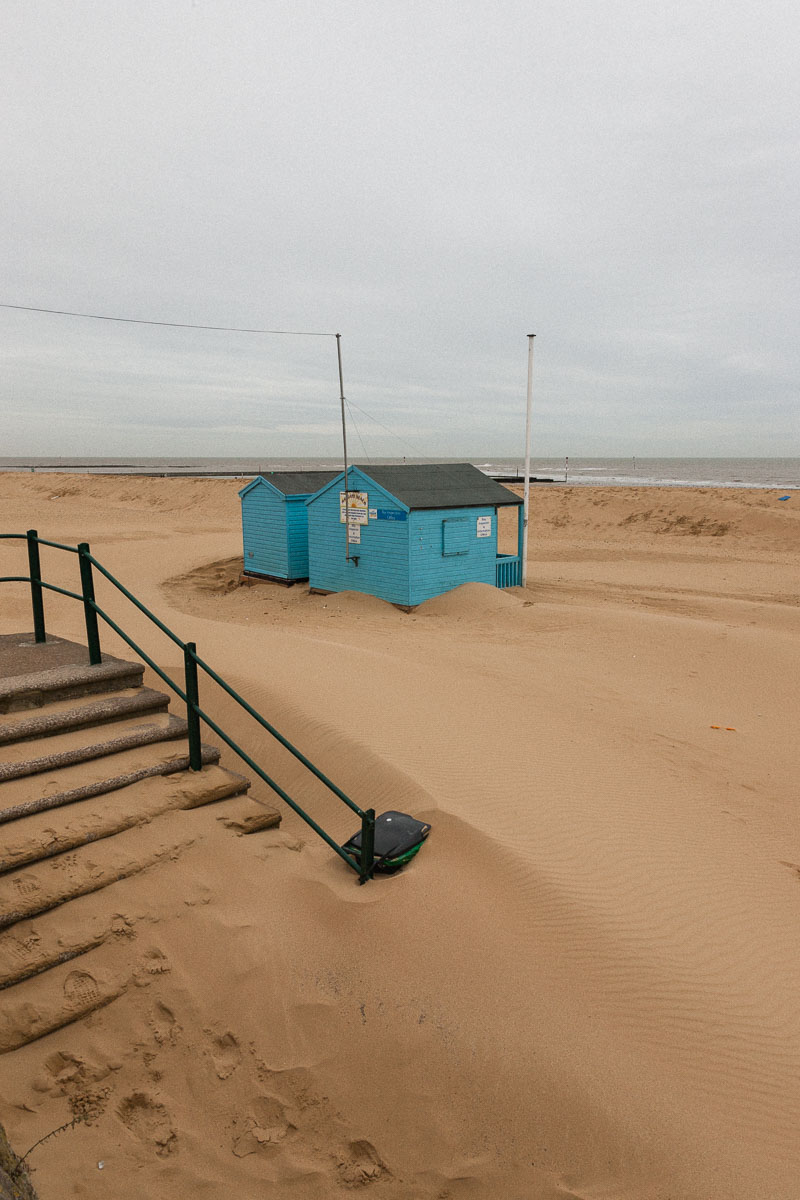
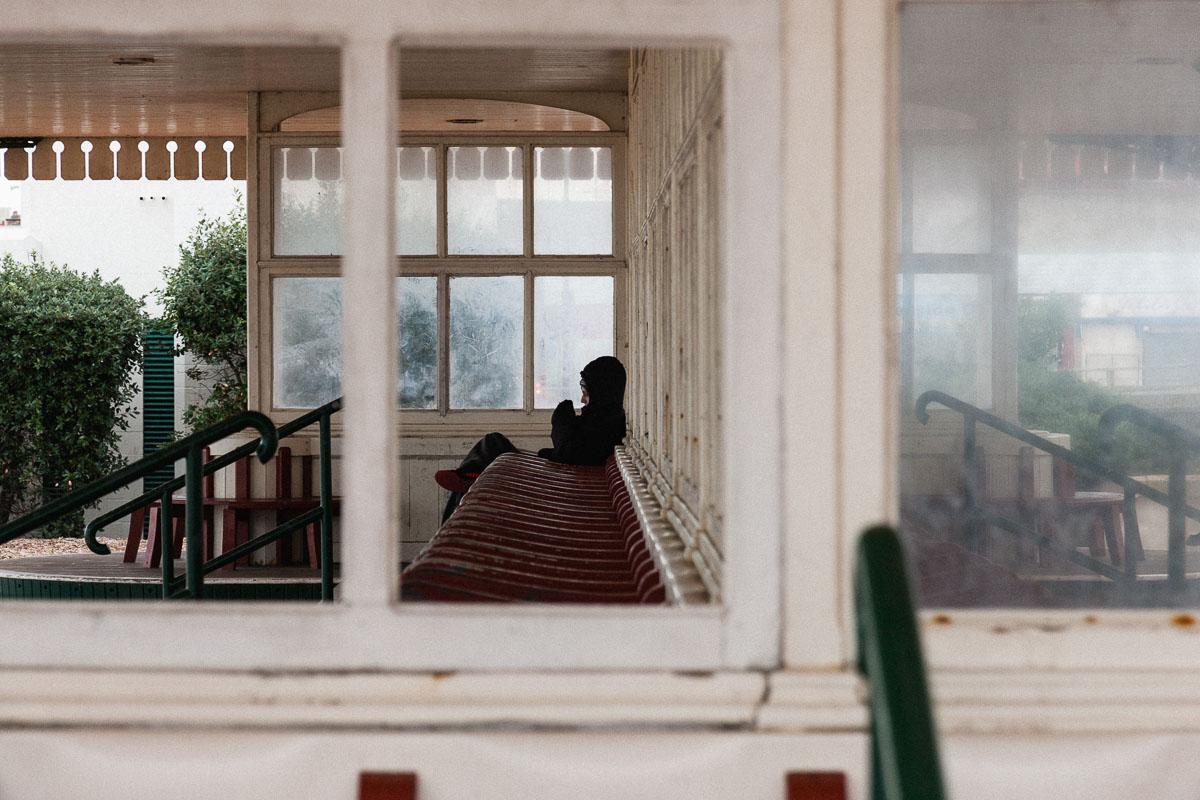
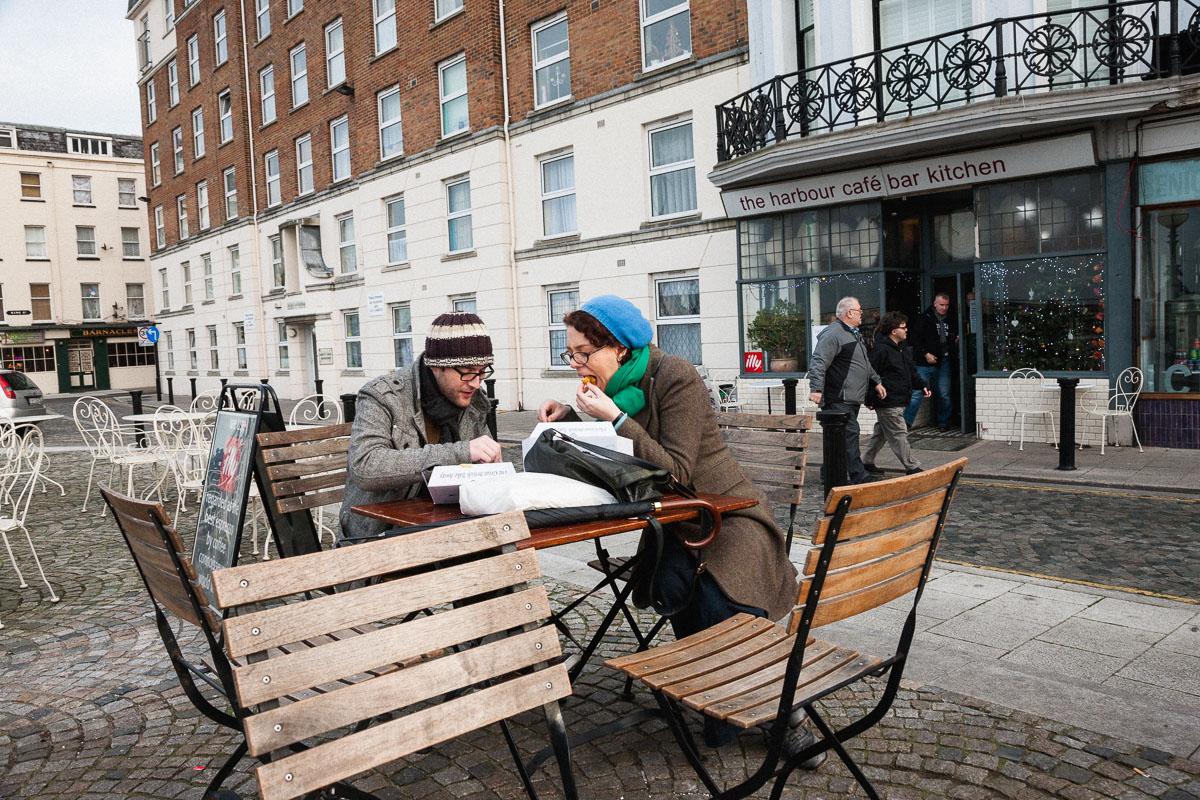
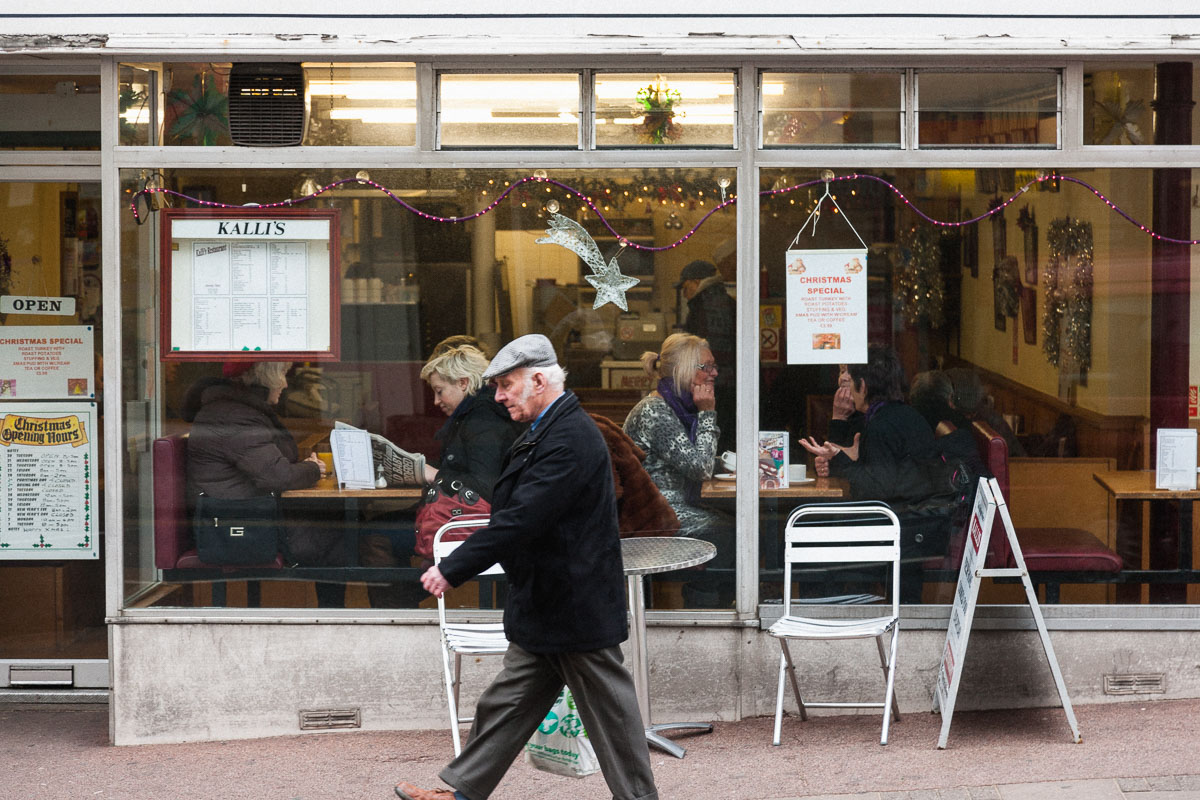
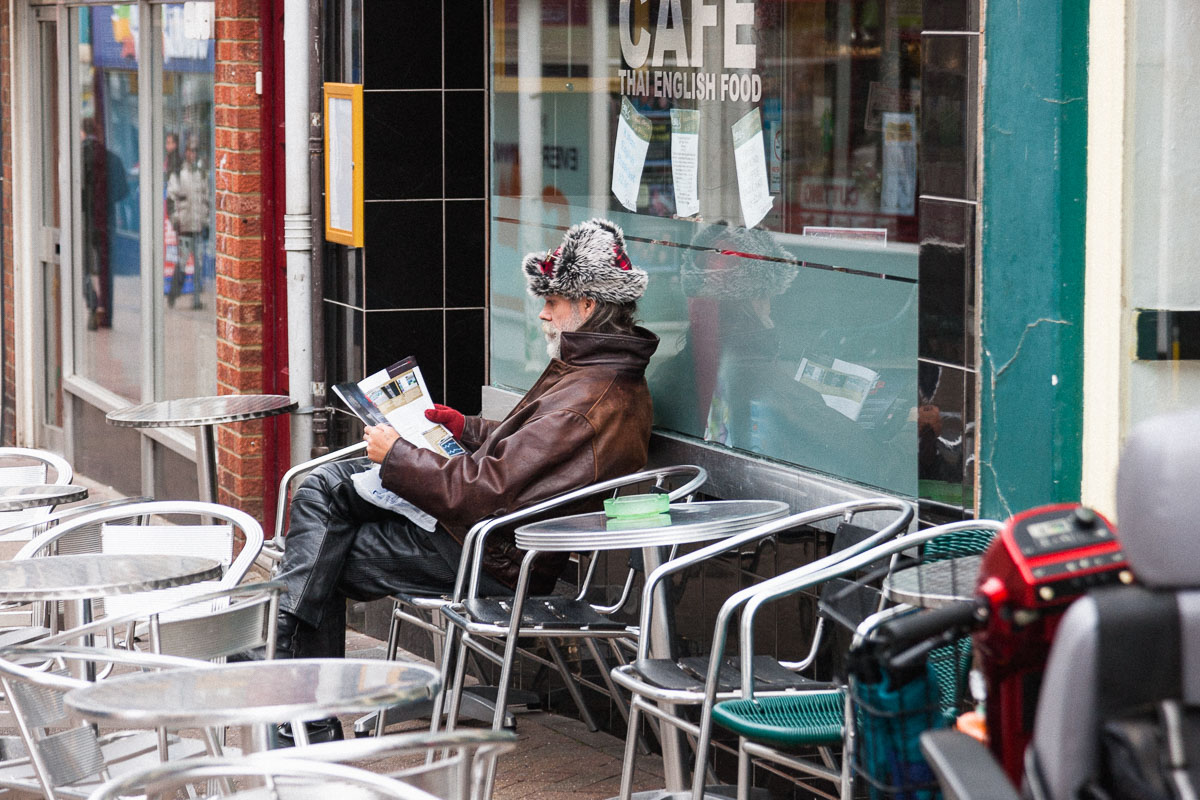
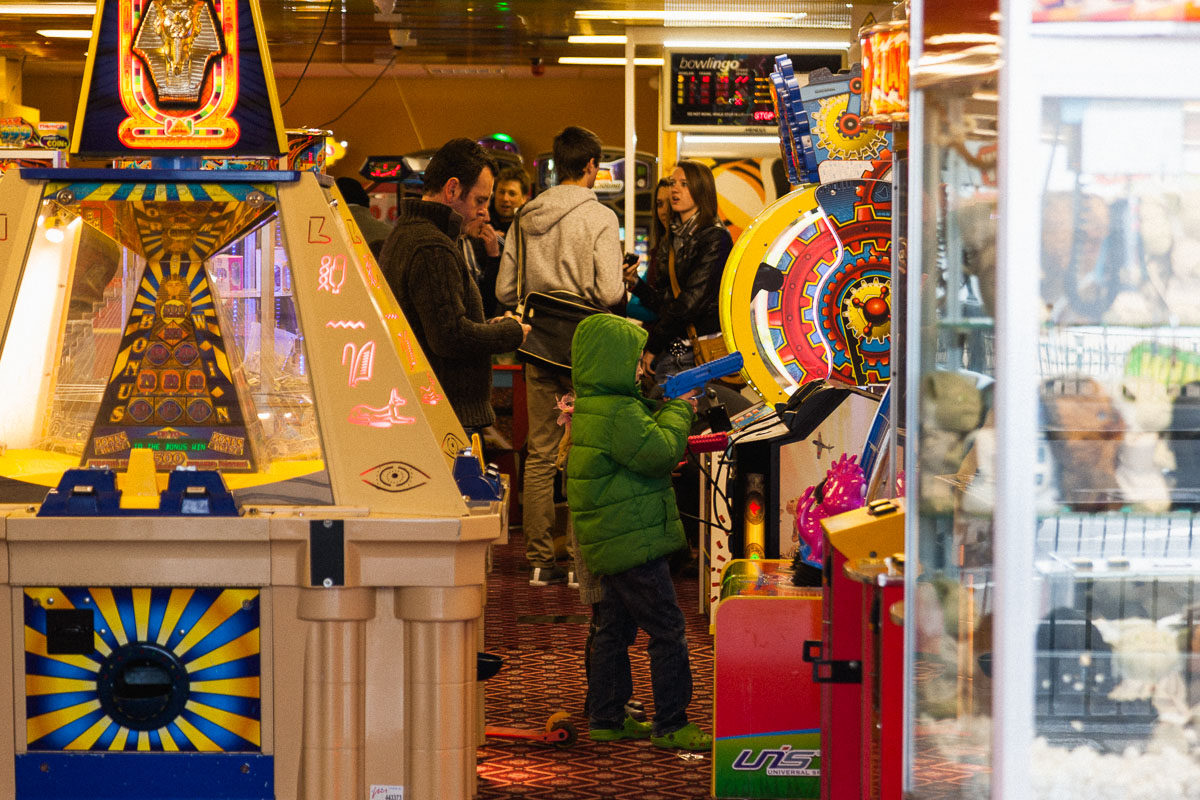
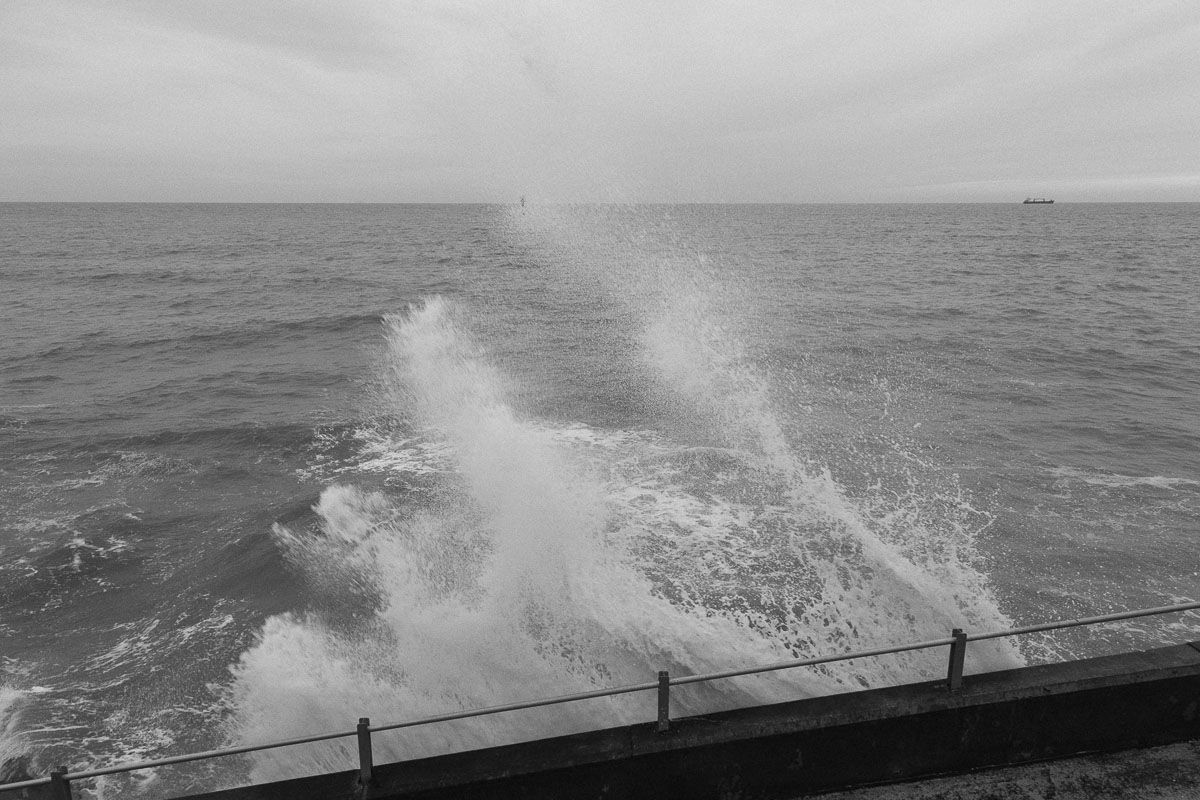
Couples eat fish and chips on the promenade. People sit chatting in cafés. Children play in the amusement arcades. Older residents walk familiar routes through the town. On the winter seafront, the wind blows across the beach, and the streets feel quieter than in summer.
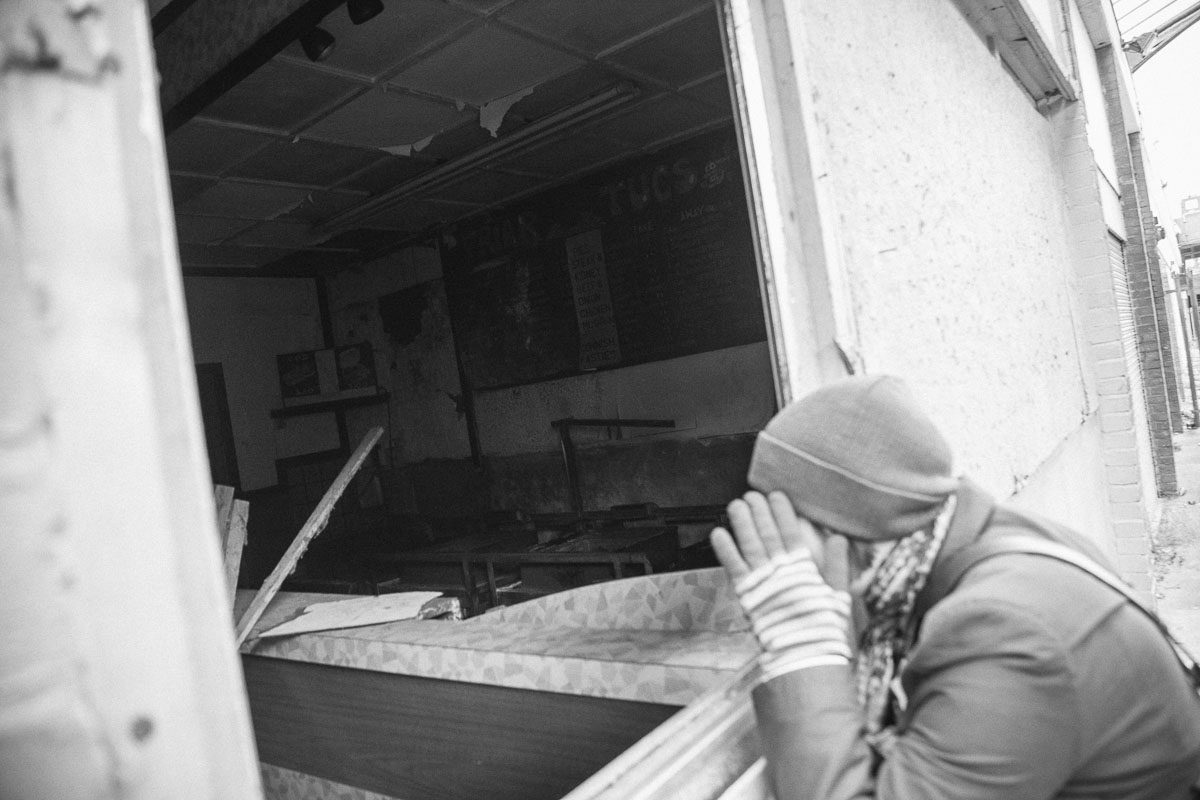
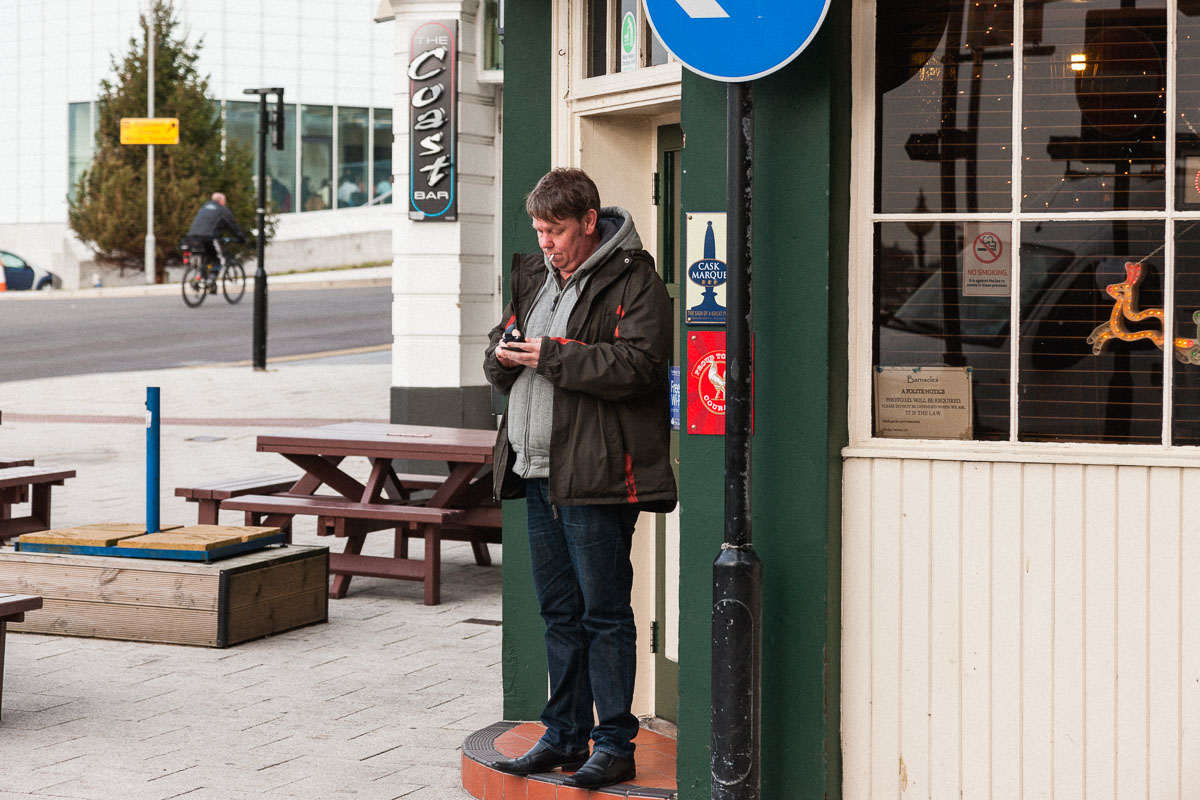
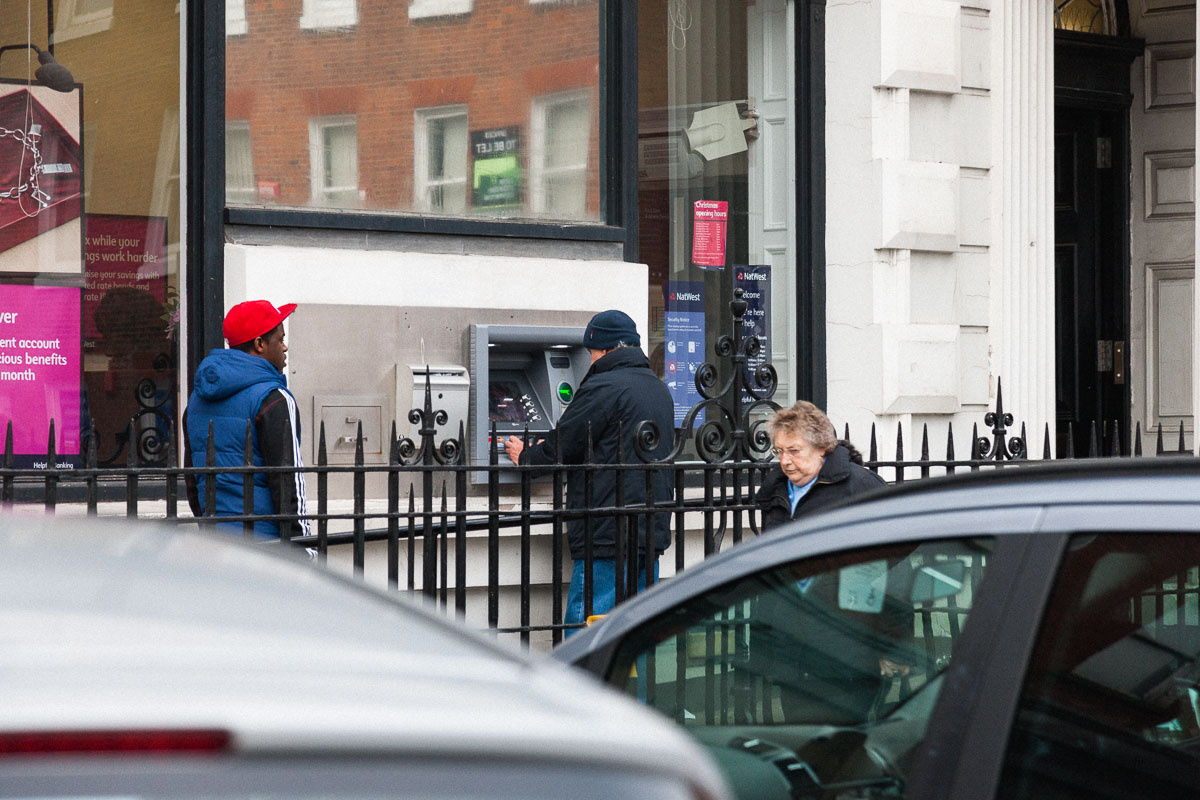
These aren’t dramatic moments. They are small fragments of everyday life: people taking a walk, meeting friends, eating, talking and getting on with their day.
For me, that is what makes the photographs interesting. They don’t show Margate as either a town in decline or a place waiting to be rescued. They show people simply living there.
How Familiar Places Shape Us
It’s easy to read these photographs as evidence of neglect, or as nostalgia for “Margate before regeneration”. I resist both interpretations.
Instead, I see ordinary scenes through which people become familiar with a place (e.g., walking the same streets, passing the same buildings and returning to familiar cafés). Eventually, these things become part of the background of everyday life.
Over time, these repeated encounters can foster what researchers call topophilia — a term used to describe an emotional connection to, or “love of”, a particular place. That familiarity can also contribute to what psychologists call place identity: the sense that a place becomes part of how we understand ourselves.
The photographs don’t prove this attachment, but they capture some of the things that can contribute to it: repetition, familiarity and the ordinary surroundings of daily life.
For me, they suggest how closely place and identity are intertwined — and how changes to a place can change that relationship too.

What Margate Regeneration Can Overlook
People often describe regeneration through investment, growth and cultural revival. Less attention goes to the life that exists before those changes arrive.
These photographs draw my attention to what is easily overlooked: people walking, talking and getting on with their lives.
Not spectacle. Not crisis. But continuity.
These ordinary moments matter because they show that a place does not begin when regeneration arrives. People already have routines, memories and relationships with the places around them. When a town changes, those connections don’t simply disappear. New buildings, businesses and attractions become part of a place that already has its own history, routines and memories.


Why Margate Regeneration Matters
Margate’s regeneration has changed its buildings, businesses and public image. But regeneration does more than change infrastructure. It can reshape routines, memories and the way people experience a place, which is why it interests me as both a photographer and a psychologist.
These photographs capture Margate in 2011, before its current identity had fully taken shape. They show a quieter period when the future was uncertain and everyday life carried on.
Looking at them now, I wonder what happens to the ordinary places and routines that seem unimportant at the time, but become part of a town’s character.
What are we at risk of forgetting, just as it slips from view?
About the Photographs
Location: Margate, Kent, England
Date: December 2011
Camera: Canon EOS-1Ds Mark III
Lens: EF 24-105mm f/4L IS USM


